

If you’ve ever thought about visiting Delhi and then paused because of the weather. you’re not alone. Most people don’t realize this until they land here, but Delhi doesn’t have “one kind” of weather-it swings. One month feels like a cozy winter postcard, and a few months later, the same city can feel like a heated pan.
So the real question isn’t just when to visit, it’s what kind of Delhi experience you actually want. Quiet heritage walks? Festival chaos? Budget travel? Or just comfortable sightseeing without sweating every five minutes?
Let’s break this down in a way that actually helps you plan smart.
Table of Contents
ToggleUnderstanding the Best Time to Visit Dehli (Without Guesswork)
The Best Time to Visit Dehli is clearly between October to March. Not because travel websites say so, but because the city itself becomes easier to explore during these months.
You can walk through markets without feeling drained. You can spend hours at monuments without looking for shade every ten minutes. Even the air-though still a concern-feels more manageable compared to peak summer.
Temperature usually stays between 5°C to 25°C, which is honestly ideal for sightseeing, food walks, and local experiences.
But even within this “best time,” every month feels slightly different. And that’s where most people get it wrong-they assume all winter months are the same.
October to November – When Delhi Starts Feeling Alive Again
There’s a noticeable shift in Delhi as soon as October begins. The heat finally backs off, and evenings start getting that slight chill.
This is when the city slowly wakes up after months of summer exhaustion.
- Days are warm but not harsh
- Evenings are pleasant for outdoor markets
- Festivals bring a different kind of energy
And then comes Diwali, which completely transforms the vibe. Markets like Chandni Chowk and Karol Bagh feel packed but exciting. Lights, decorations, street food-it’s chaotic, but in a good way.
However, one thing people often don’t anticipate is pollution. Around late October and November, air quality can dip significantly. So while it’s one of the Best Months to Explore Delhi Attractions and Festivals, it’s also the time you need to stay a bit cautious.
December to January – The Real Delhi Winter Experience
Now this is where Delhi gets interesting.
Winters here aren’t just “cool”-they can actually feel cold, especially in late December and early January. Temperatures can drop to around 5°C and mornings often come wrapped in fog.
You might wake up and not even see the buildings across the street.
But strangely, this is also when Delhi feels the most atmospheric.
- Early morning chai feels different
- Monuments like India Gate look surreal in fog
- Street food somehow tastes better in the cold
That said, fog can sometimes disrupt travel plans-especially flights and trains. So if you’re someone who prefers predictable schedules, this is something to keep in mind.
Still, for many travelers, this period quietly becomes their favorite. Not because it’s perfect-but because it feels real.
February to March – The Sweet Spot Most People Miss
If you ask someone who has spent time in Delhi, they’ll often tell you this quietly-February and March might actually be the best months overall.
The cold softens, but the heat hasn’t arrived yet.
- Days are sunny and comfortable
- Nights are cool but not harsh
- Gardens and parks start blooming
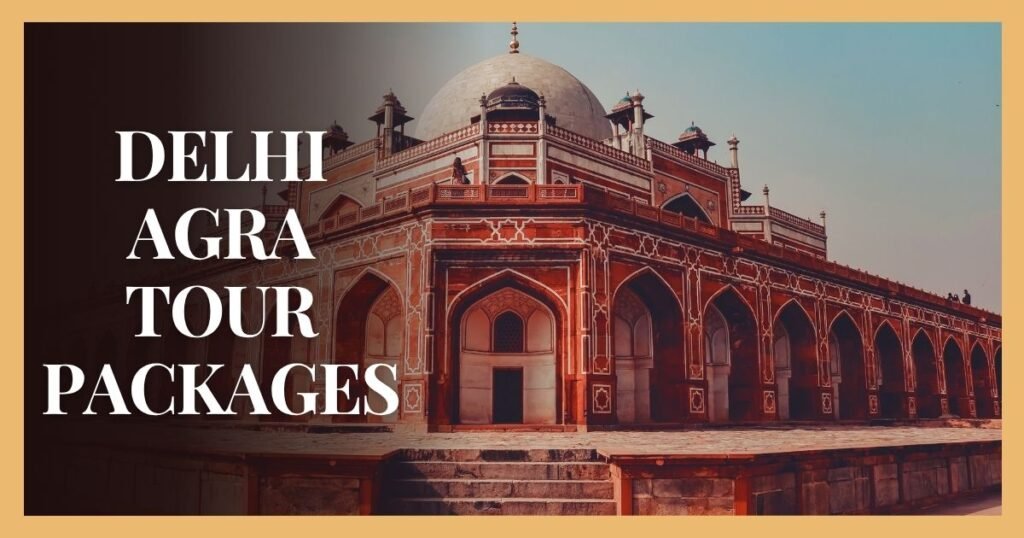
Places like Lodhi Garden or Humayun’s Tomb feel completely different during this time. You can actually sit, walk, explore… without rushing back indoors.
This is also when Delhi feels less rushed. The festive crowd has settled, and summer tourists haven’t arrived yet.
So if you’re looking for balance-this period fits perfectly into the Ideal Season to Visit Delhi for Sightseeing and Local Experiences.
Season Breakdown (So You Can Decide Based on Your Style)
| Season | Months | Weather Condition | Travel Experience |
| Winter & Spring | October – March | Pleasant (5°C–25°C) | Best for sightseeing, walking tours |
| Summer | April – June | Extreme heat (up to 45°C) | Avoid unless necessary |
| Monsoon | July – September | Humid, rainy | Budget-friendly, fewer crowds |
Summer in Delhi – What It Actually Feels Like
Let’s not sugarcoat this. Summer in Delhi can be intense.
From April to June, temperatures can go up to 45°C, and stepping outside during the day feels exhausting.
Even locals try to avoid unnecessary travel during peak afternoon hours.
- Roads feel empty in the afternoon
- Sightseeing becomes tiring quickly
- You end up planning your day around AC breaks
Unless you’re on a tight schedule, this isn’t the Best Time to Visit Dehli. But if you do come, early mornings and late evenings are your only real windows to explore.
Monsoon Season – Underrated but Tricky
Monsoon arrives around July and stays till September. The rain does cool things down slightly, but humidity increases.
This season feels unpredictable.
One moment it’s cloudy and pleasant. The next moment, heavy rain disrupts everything.
Still, there’s a quieter side of Delhi during monsoon:
- Fewer tourists at monuments
- Hotel prices drop
- Roads and gardens look refreshed
So if you’re someone who prefers slower travel and doesn’t mind adjusting plans, this can work. It’s also part of a practical Delhi Climate Guide Month Wise Travel Planning Tips approach-choosing comfort vs budget.
Festival Season in Delhi (Adds a Different Layer to Your Trip)
If timing your trip with festivals matters to you, then planning between October to January makes sense.
Some major experiences include:
- Diwali (Oct/Nov) – Markets, lights, celebrations
- New Year – Citywide events and nightlife
- Republic Day (January 26) – Parade at Rajpath
However, festivals also mean crowds. Streets get packed, travel time increases, and bookings fill up fast.
So while this period fits into the Best Months to Explore Delhi Attractions and Festivals, it also requires better planning.
Practical Travel Tips (Based on Real Experience)
A few things people often overlook:
- Pollution Check: Especially in November, check AQI before planning outdoor activities
- Clothing Strategy:
- Heavy woolens for Dec-Jan
- Light jackets for Oct-Nov & Feb-Mar
- Timing Matters: Early mornings are always better for sightseeing
- Crowd Behavior: Weekends at popular spots can get overwhelming
Small decisions like these can quietly improve your overall experience.
Planning Support Partner
When planning a trip that involves multiple locations like Delhi, Agra or nearby cities, having a structured plan helps more than people expect. Delhi Agra Tour Package usually works as a practical support system-handling transport, timing, and route planning so you don’t waste time figuring things out on the go. It’s less about luxury and more about reducing small travel stress that tends to pile up during multi-city trips.
Contact Delhi Agra Tour Package Today:
Call Us: +91 7300620809
WhatsApp Us: +91 7300620809
Visit Our Website: Delhi Agra Tour Package
Email: tourpackagesdelhiagra@gmail.com
Delhi Agra Tour Package is a Unit of Experience My India
Experience My India trip advisor review
How to Reach Delhi (Simple and Practical Options)
By Air
- Nearest Airport: Indira Gandhi International Airport (DEL)
- Well connected with domestic and international flights
- Around 15-20 km from city center
By Train
- Major Railway Stations:
- New Delhi Railway Station
- Hazrat Nizamuddin
- Old Delhi Station
- Direct trains from almost all major cities
By Car
- Excellent road connectivity via highways like:
- NH 44, Yamuna Expressway
- Comfortable drive from nearby cities like Agra, Jaipur, Chandigarh
Final Thought
The truth is, there isn’t just one “perfect” time-there’s only the time that fits how you want to experience Delhi.
Some people love the winter fog and slow mornings. Others prefer the festive buzz. And a few actually enjoy the quieter, less crowded months.
Maybe the better question isn’t when Delhi is at its best… but when you are ready to see it the way it really is.
FAQs – Best Time to Visit Dehli
The Best Time to Visit Dehli is from October to March, when the weather stays pleasant between 5°C to 25°C. During this period, you can explore markets, monuments and local areas without dealing with extreme heat.
February and early March are usually the best months if you want fewer crowds along with comfortable weather. The festive rush is over and the city feels more relaxed.
Yes, Delhi winters can get quite cold, especially in late December and January with temperatures dropping to around 5°C. Mornings can be foggy, so warm clothing is necessary.
You can, but it’s not ideal. From April to June, temperatures can reach up to 45°C, making outdoor sightseeing difficult. Early mornings and evenings are the only comfortable times.
Monsoon (July to September) is not the most comfortable due to humidity and sudden rainfall. However, it’s a good option for budget travelers since hotel prices are lower and tourist spots are less crowded.
The winter and spring season (October to March) is considered the most ideal for sightseeing, local food walks and exploring markets comfortably.
October and November offer moderate temperatures and are very comfortable for travel. However, pollution levels may increase during this time, so it’s good to stay prepared.
The best months are October to January, as major festivals like Diwali, New Year and Republic Day take place, adding a vibrant cultural experience to your trip.
Winter (Dec–Jan): Heavy woolens, jackets
Early winter & spring (Oct–Nov, Feb–Mar): Light jackets
Summer: Cotton clothes, sunglasses, sunscreen
If you’re planning to cover multiple destinations like Delhi and Agra, choosing a structured plan through Delhi Agra Tour Packages can help manage travel, time and logistics more efficiently.