

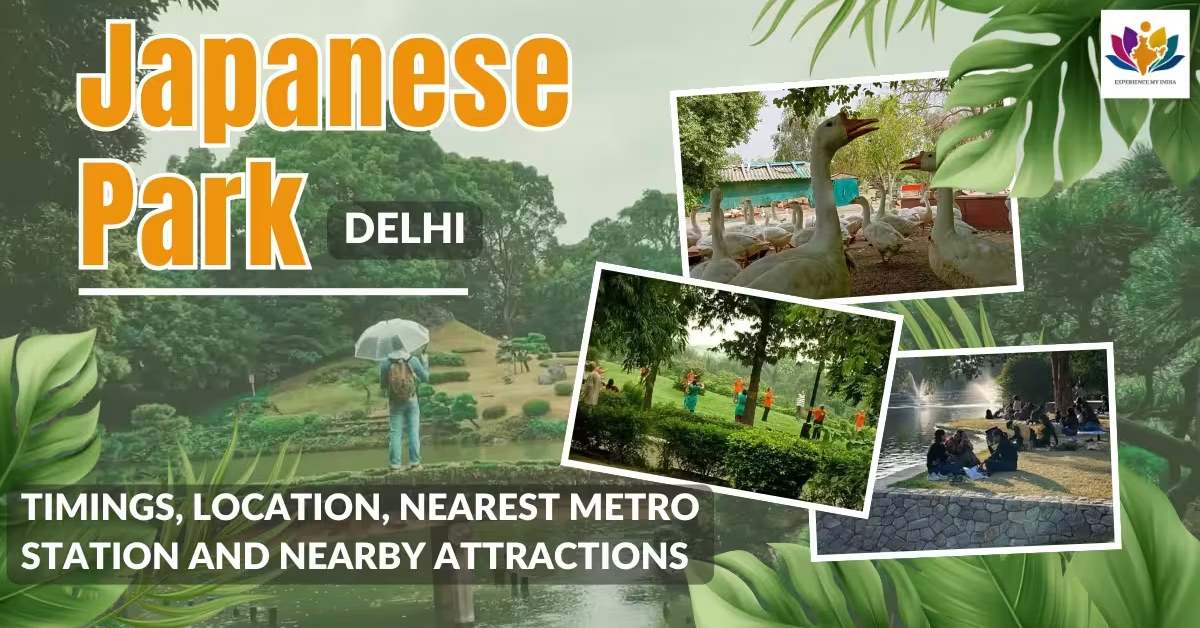
If you’ve ever searched for a quiet outdoor space in Delhi and ended up confused by crowded gardens, noisy parks, or places that look better on Google Maps than in real life, you’re not alone. That happens a lot. Especially in North Delhi, where green spaces exist but don’t always offer the calm you’re hoping for. That’s usually when japanese park rohini comes up in conversation. Someone mentions it casually. Someone else says it’s huge. Another person warns it gets crowded on weekends. And suddenly you’re unsure whether it’s worth the visit or just another overhyped park.
I’ve been there more than once, at different times of the day and in different seasons. And honestly, the experience changes a lot depending on how and when you go. This guide is written to help you figure that out properly, without rushing you or overselling anything.
Why Japanese Park Rohini Feels Different from Other Delhi Parks
Here’s the thing. Japanese Park Rohini isn’t beautiful in a dramatic way. It doesn’t try to impress you. Instead, it stretches out quietly. Wide paths. Open lawns. Long walking tracks that don’t suddenly end.
In my experience, what people appreciate most about japanese park rohini is space. Real space. The kind where you’re not constantly dodging selfie sticks or vendors. That doesn’t mean it’s empty all the time. It means you can choose your corner if you plan it right.
Surprisingly, many locals treat it less like a tourist spot and more like a daily routine space. Morning walkers. Senior citizens. Parents with kids in the evening. That tells you something.
History of Japanese Park Rohini
Japanese Park in Rohini was developed as part of Delhi’s urban green planning to provide North Delhi with a large recreational zone. Unlike older Mughal-style gardens or colonial parks, this one was designed with openness and accessibility in mind.
It’s called “Japanese Park” more for its minimalist layout and landscaping philosophy than for any strict Japanese architectural influence. There are no pagodas or cherry blossoms. Instead, the emphasis is on balance, walking flow, and uncluttered green areas.
Over time, it became one of the largest parks in Delhi. Locals often refer to it simply as “Rohini Park,” but officially, japanese park rohini remains the name people search for and recognize.
Japanese Park Rohini Timings and Entry Details
Japanese Park Rohini Timings and Entry Fee
- Opening time: 5:00 AM
- Closing time: 9:00 PM
- Open all days, including weekends and public holidays
- Entry fee: Free
Early mornings feel calm and focused. Evening hours, on the other hand, are more social and lively. By the way, if you’re someone who prefers quiet walking or photography, mornings work better. Evenings are better for families and casual visits.
Best Time to Visit Japanese Park Rohini
Best time to visit Japanese Park Rohini
- Early morning (5:30 AM – 8:00 AM)
- Least crowded
- Best for walking, jogging, or quiet sitting
- Late afternoon to sunset (4:30 PM – 6:30 PM)
- Pleasant light
- Family-friendly atmosphere
- Avoid mid-day in summers
- Heat reflects off open ground
- Shade is limited in some sections
Season-wise, winter months from October to March feel most comfortable. Summers can still work if you stick to early mornings. Monsoon visits are hit or miss. Green, yes. Muddy paths, also yes.
Things to Do at Japanese Park Rohini Delhi
Things to do at Japanese Park Rohini Delhi
- Long walks without interruption
- Casual jogging or fitness routines
- Sitting with a book or music
- Kids’ playtime in open lawns
- Photography during golden hour
Honestly, this isn’t a “do everything” park. It’s a “do one thing properly” kind of place. I’ve found that people who try to pack too much into one visit often leave unimpressed. Those who come with one simple plan usually enjoy it more.
Pro Tip: Carry your own water. Vendors aren’t always reliable inside the park.
Location Details of Japanese Park Rohini
japanese park rohini location
- Area: Sector 10, Rohini, Delhi
- Well-connected by road and metro
- Surrounded by residential sectors
Because it’s placed inside Rohini rather than on a highway edge, reaching it feels more local than touristic. That’s part of its charm, honestly.
Nearest Metro Station to Japanese Park Rohini
Nearest metro station to japanese park rohini
- Rohini West Metro Station (Red Line)
- Distance: Approx. 1.2 km
- Auto-rickshaws and e-rickshaws easily available
Walking from the metro is possible, but only if the weather is pleasant. Otherwise, taking a short auto ride makes more sense.
How to Reach Japanese Park Rohini
by Car
- Accessible via Outer Ring Road
- Parking available near park entrances
- Best option for families and senior citizens
by Train
- Nearest major railway stations: New Delhi, Old Delhi
- From station, use metro to Rohini West
And by Air
- IGI Airport is approx. 25–30 km away
- Metro + short auto ride works best
- Taxi also convenient, depending on traffic
In my experience, metro is the least stressful option. Delhi traffic can be unpredictable, especially in the evenings.
Nearby Attractions Around Japanese Park Rohini
Nearest places to see around japanese park rohini
- Adventure Island
- Suitable for kids and teenagers
- Can be combined in a half-day plan
- Metro Walk Mall
- Cafes and casual shopping
- Good post-park stop
- Local Rohini Markets
- Street food and daily shopping
- More local than commercial
These places connect well geographically, but don’t try to do everything in one go. Pick one nearby spot and keep the rest for another day.
Crowd Reality at Japanese Park Rohini
Crowd patterns you should know
- Weekdays: Mostly locals, manageable
- Weekends: Families and groups increase after 4 PM
- Festivals: Noticeably busier, especially evenings
Crowds here are generally well-behaved. That said, weekends might feel overwhelming if you’re expecting silence. Choosing timing wisely makes all the difference.
Safety Tips for Visiting Japanese Park Rohini
- Stick to well-lit paths after sunset
- Keep personal belongings close during busy hours
- Avoid isolated corners late in the evening
- Wear comfortable footwear for long walks
Overall, japanese park rohini is considered safe. Still, basic city awareness always helps.
Why Experience My India Fits Well for Tamil Nadu Travel
Large destinations often get overwhelming when travel planning becomes rushed or unrealistic. While this guide focuses on Delhi, the same planning philosophy applies across India. Experience My India works with pacing rather than pressure. Instead of squeezing every possible spot into one trip, the focus stays on flow, comfort, and real movement time. That approach helps travellers enjoy destinations rather than just tick them off.
Contact Delhi Agra Tour Package Today:
Call Us: +91 7300620809
WhatsApp Us: +91 7300620809
Visit Our Website: Delhi Agra Tour Package
Email: tourpackagesdelhiagra@gmail.com
Delhi Agra Tour Package is a Unit of Experience My India
Experience My India trip advisor review – Click Here
FAQs – Japanese Park Rohini
Yes, Japanese Park Rohini works well for families, especially those with young children. The park has wide open lawns where kids can run freely without constant crowd pressure. In my experience, evenings are better for families because the atmosphere feels more relaxed and social, while mornings are quieter and more fitness-focused.
Early mornings are the best if you’re looking for calm. Between 5:30 AM and 7:30 AM, the park mostly attracts walkers and joggers, and noise levels stay low. If you visit later in the day, especially after 4:30 PM, expect more people and a livelier environment.
Yes, weekends do bring larger crowds, particularly in the evening hours. Families, groups of friends, and local visitors increase significantly after sunset. If crowds bother you, visiting on a weekday morning or early afternoon usually feels much more comfortable.
Generally, yes. The park is considered safe, especially during daylight hours when many locals are present. Still, like anywhere in Delhi, it’s better to stay in well-lit areas in the evening and avoid isolated corners if you’re alone.
Senior citizens often enjoy Japanese Park Rohini, particularly in the mornings. The walking paths are flat and wide, making movement easier. However, during peak summer afternoons, heat can be tiring, so early mornings or winter months are more suitable.
Food options inside the park are limited and not always reliable. In my experience, it’s better to carry your own water bottle, especially if you plan to walk for a long time. Small snacks can be found outside the park, but not consistently inside.
Most visitors spend about one to two hours here. That’s usually enough for a walk, some sitting time, and relaxation. If you’re combining the visit with nearby places like malls or local markets, it fits well into a half-day plan.
It can be, depending on timing and expectations. Early morning and late afternoon light works best for photos, especially for landscape or casual portraits. Don’t expect dramatic landmarks, though. The appeal is subtle and more about open space than visual drama.
Yes, but timing matters a lot. Summers in Delhi can be harsh, and midday visits may feel uncomfortable due to limited shade in some areas. Early morning visits during summer are far more pleasant and manageable.
Japanese Park Rohini is primarily a local park, but tourists looking for a quiet break from sightseeing often appreciate it. If your idea of travel includes slowing down and observing daily life, it can be a worthwhile stop. If you’re expecting a landmark-style attraction, it might feel underwhelming.
Final Thoughts on Japanese Park Rohini
Japanese Park Rohini won’t change your life. And that’s okay. What it offers instead is space. Breathing room. A pause inside a busy city.
If you visit with the right expectations, choose your timing carefully, and don’t rush the experience, japanese park rohini does exactly what a city park should do. It gives you room to slow down. And sometimes, that’s more than enough.