
Qutub Minar: Timings, Tickets, History & Tips 2026
Qutub Minar: Timings, Tickets, History & Tips 2026 image 1
Qutub Minar: Timings, Tickets, History & Tips 2026 image 2
Qutub Minar: Timings, Tickets, History & Tips 2026 image 3
Qutub Minar: Timings, Tickets, History & Tips 2026 image 4

Qutub Minar: Timings, Tickets, History & Tips 2026

4.8(1247)
2-3 hours
Sunrise / Sunset
Mughal Architecture
Tags:
qutub-minardelhiworlds-tallest-brick-minaretiron-pillardelhi-sultanatequwwat-ul-islam-mosqueworld-heritage-sitedelhi-travel

Plan your Qutub Minar visit: 2026 entry fees and timings, the height and history of the world's tallest brick minaret, the Iron Pillar, and nearest metro.

In a Nutshell

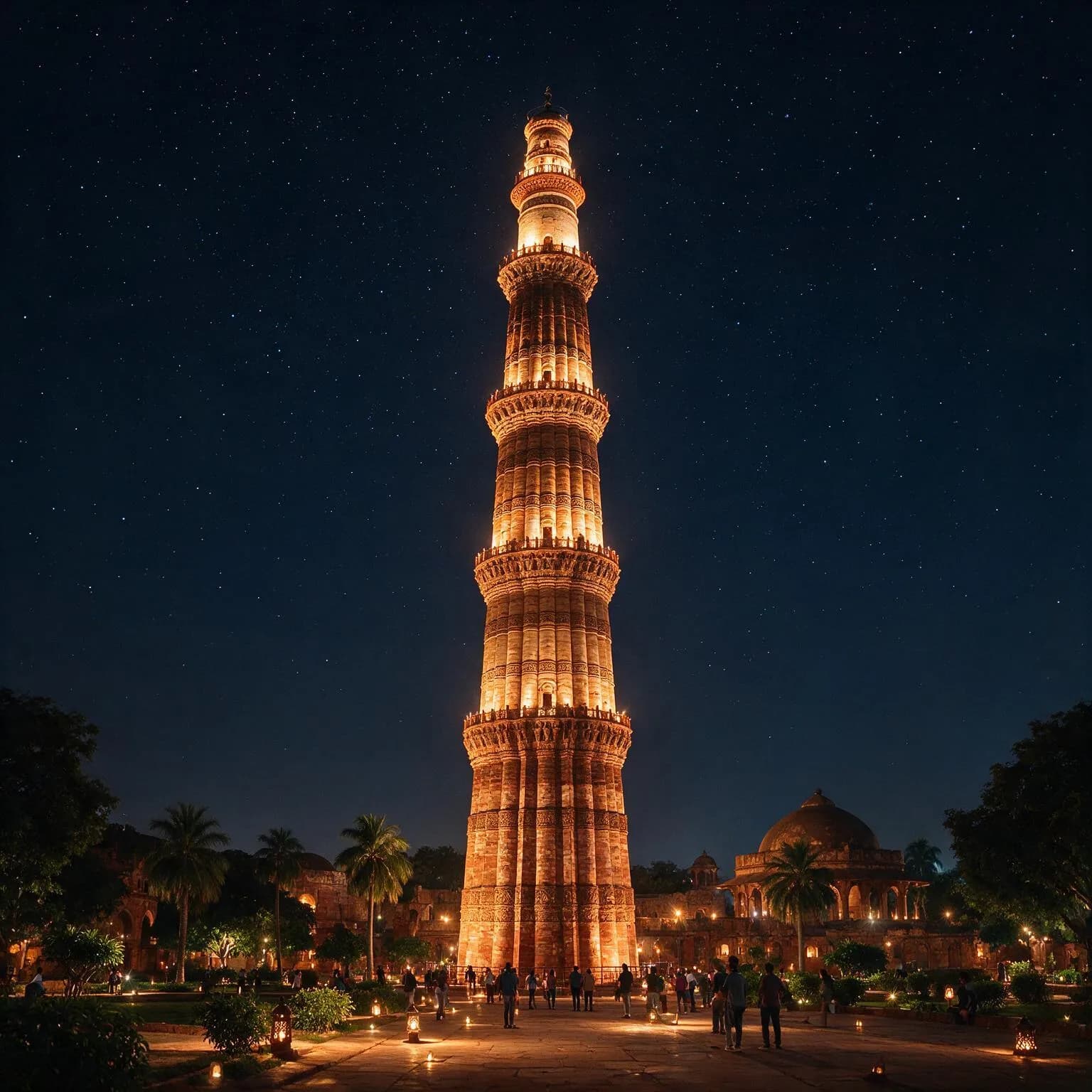
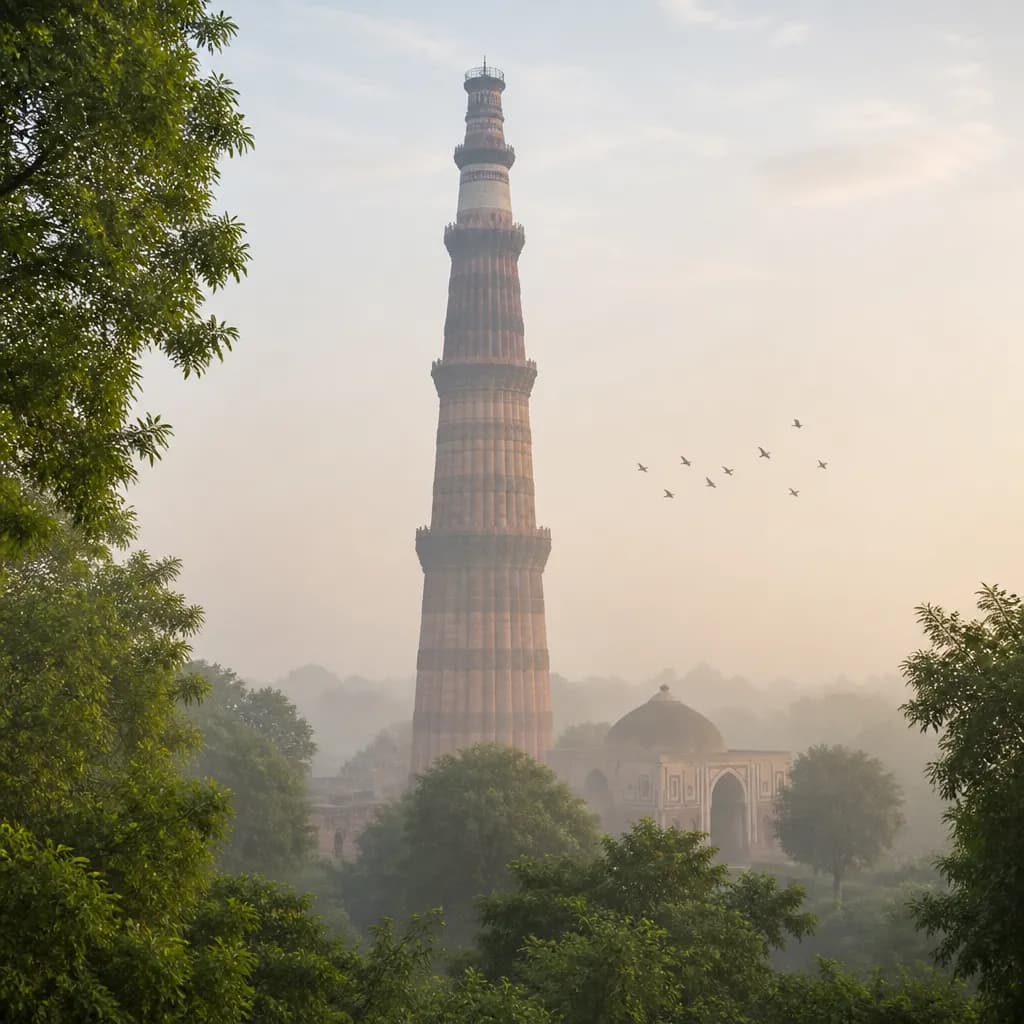
The Qutub Minar is where Delhi's history starts, centuries before the Mughals and the Red Fort. This fluted red sandstone tower has been standing since the twelfth century, and the complex around it holds the first mosque built in the city and an iron pillar that has resisted rust for over 1,600 years. It photographs beautifully in the late afternoon, and it is an easy, rewarding stop on the New and South Delhi half of a Delhi day.

Details

Quick answer: Qutub Minar at a glance

QuestionAnswer
What it is73-metre victory tower, tallest brick minaret in the world, begun in 1193
TimingsOpen all seven days, roughly 7 AM to 5 PM
Entry fee (Indian / OCI / SAARC)Rs 35
Entry fee (Foreign)About Rs 550
Children under 15Free
Can you climb itNo. Closed since 1981 after a stampede
Time to allow1.5 to 2 hours
Nearest metroQutub Minar station (Yellow Line), short auto-rickshaw ride
The Qutub Minar is where Delhi's history starts, centuries before the Mughals and the Red Fort. This fluted red sandstone tower has been standing since the twelfth century, and the complex around it holds the first mosque built in the city and an iron pillar that has resisted rust for over 1,600 years. It photographs beautifully in the late afternoon, and it is an easy, rewarding stop on the New and South Delhi half of a Delhi day. Here is how to visit it well.

Timings and opening hours

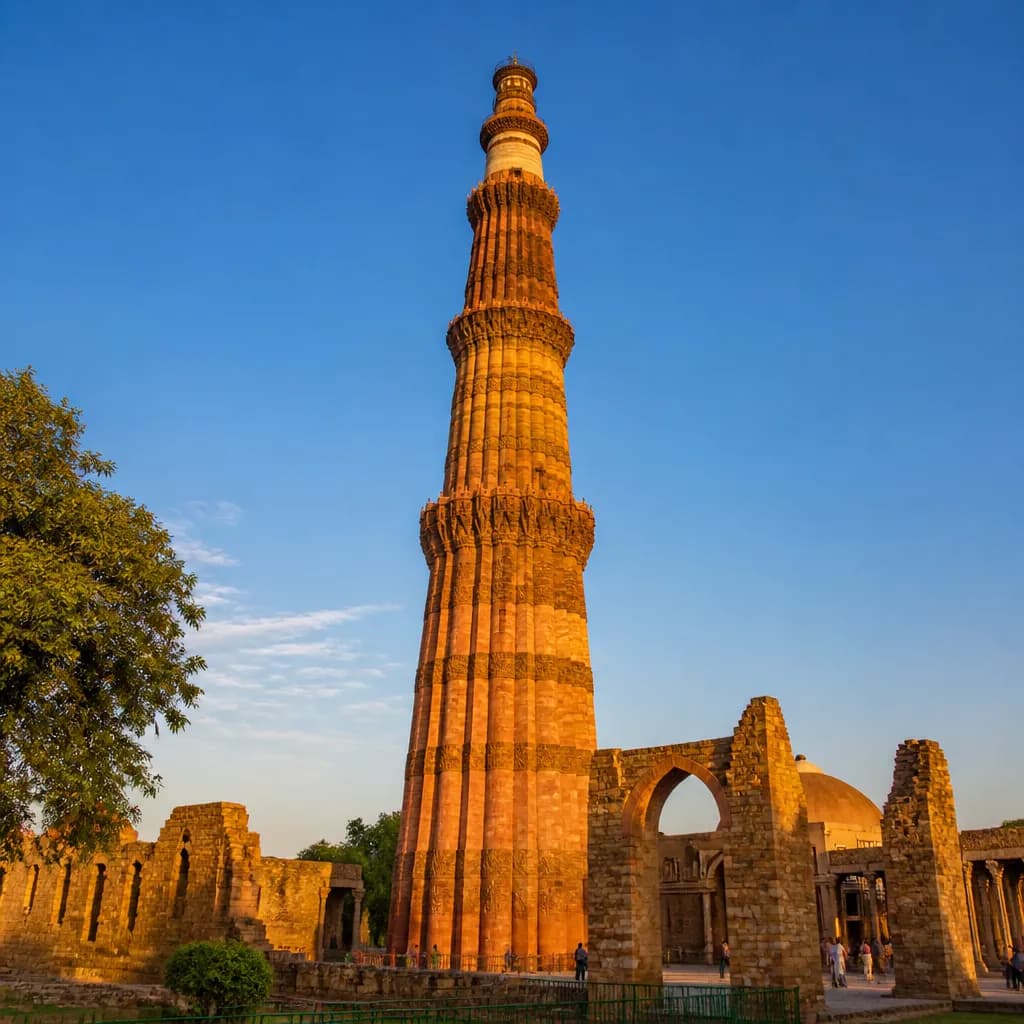
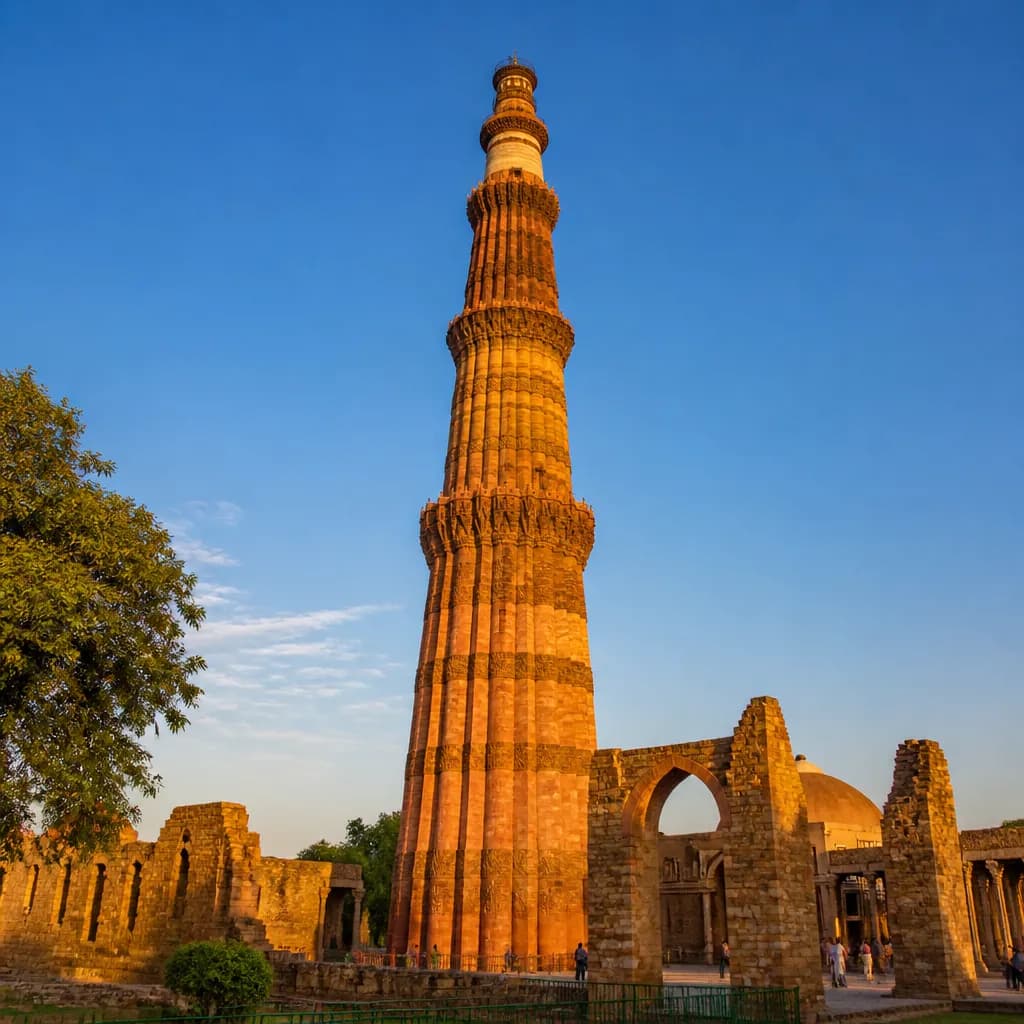
The Qutub Minar is open all seven days of the week, with no weekly closure, roughly from 7 AM to 5 PM, with last entry about half an hour before closing. Unlike the Red Fort or the Taj Mahal, there is no day to plan around here. Late afternoon is the nicest time, when the low sun turns the sandstone gold and picks out the carving on the tower, and the light is best for photographs.

Entry fees and tickets

Fees are set by the Archaeological Survey of India (ASI) and were as follows as of July 2026.
TicketIndian / OCI / SAARCForeign
Complex entryRs 35about Rs 550
Child under 15FreeFree
Buy online through the ASI portal to skip the counter queue, or pay at the gate. Confirm the current rate before you travel, since ASI fees change. There is a small extra charge for a still camera at some ASI sites, so keep a little cash handy.

Can you climb the Qutub Minar?

No, and it is the question everyone asks. The staircase inside the tower has been closed to the public since 1981, after a stampede on the stairs, and it has stayed shut for safety since. You admire the Qutub Minar from the ground, walking around its base to read the bands of carving and calligraphy that spiral up its five storeys. The reward of the visit is the complex around the tower, not a climb, so come for the whole site rather than the view from the top.

What you actually see

The tower is the centrepiece, but the Qutub complex is a field of early Indo-Islamic ruins worth an unhurried walk. The Quwwat-ul-Islam Mosque beside it is the earliest mosque built in Delhi, raised using stone from earlier temples on the site. In its courtyard stands the famous Iron Pillar, a fourth-century column that has barely rusted in over 1,600 years, a puzzle that still interests metallurgists. Nearby are the ornate Alai Darwaza gateway and the stump of the Alai Minar, an even taller tower that a later sultan began and never finished. Together they tell the story of the Delhi Sultanate, the era before the Mughals.

A short history

Qutb-ud-din Aibak, founder of the Delhi Sultanate, began the Qutub Minar in 1193 to mark the arrival of Muslim rule in northern India. He built only the first storey; his successor Iltutmish added three more, and Firoz Shah Tughlaq later rebuilt the top. The result is a 73-metre tower of red sandstone and marble, tapering as it rises, carved with inscriptions and geometric bands. The Qutub Minar and its surrounding monuments were inscribed as a UNESCO World Heritage Site in 1993.

Getting there and nearest metro

The Qutub Minar is in Mehrauli, south Delhi. The nearest metro is Qutub Minar station on the Yellow Line, from where it is a short auto-rickshaw ride to the complex. The metro is the easiest way to reach it and connects smoothly to the rest of the city. It pairs well on the same day with Humayun's Tomb, the other great garden monument on the New and South Delhi route.

Rules and what to leave behind

Carry a photo ID; foreign visitors need a passport. Large bags and food are best left behind, and there are security checks at the gate. Handheld photography is allowed and encouraged, though tripods and drones are not. Wear comfortable shoes for the gravel and grass of the complex, and carry water and sun cover in the warmer months, since the site is open with little shade.

Visit the Qutub Minar with us

We are Experience My India, and the Qutub Minar is a fixture on the New and South Delhi half of our Delhi trips, usually paired with Humayun's Tomb and a stop at India Gate. We handle the tickets, the timing for the best afternoon light, and a guide who can read the complex's layers of history for you. For the full list of what to see in the capital, start at the things to do in Delhi hub. Photographers should also see our tours for photographers. See live prices on our Delhi Agra tour packages, or message us on WhatsApp for a quote.

Enquire Now

Premium Experience

Ready to Explore
The Heart of Delhi?

Explore the Red Fort, Qutub Minar, Humayun's Tomb, and the vibrant streets of Old Delhi with our expert-guided premium tours of India's capital city.

A
B
C
D
2,500+
4.9
Flexible itinerariesPrivate guidesBest price guarantee
Premium Tour Package
Featured Destination

Delhi

Premium Tour Package

Premium

Questions

Frequently asked questions

5/5 visible

What are the Qutub Minar timings?

The Qutub Minar is open all seven days of the week, roughly 7 AM to 5 PM, with last entry about half an hour before closing and no weekly closure. Late afternoon is the best time for golden light on the sandstone and for photographs. Mornings are quieter if you prefer fewer people in the frame.

What is the Qutub Minar entry fee in 2026?

Can you go inside or climb the Qutub Minar?

How much time do you need at the Qutub Minar?

What is the nearest metro to the Qutub Minar?

About the author

Abhay Sharma leads the Delhi Agra vertical at Experience My India and has spent more than five years planning and running trips across Agra, Delhi and the Golden Triangle. He was born and raised in Agra and is a third-generation guide, and he plans and runs the Delhi and Agra itineraries this site describes. He writes and keeps these pages current. Read more on his author profile.

Explore more

Plan your Qutub Minar trip with us

Plan Your Trip

Interested in Qutub Minar: Timings, Tickets, History & Tips 2026?

Chat with our travel team for a custom quote, or browse every package.

Related Attractions

1 attraction
1 related attractions
Premium Experience

Ready to explore Qutub Minar: Timings, Tickets, History & Tips 2026?

Book your private tour today and experience the magic of India's rich heritage.

Explore Tours
Verified GuideBest Price2,500+ Happy Travelers
Call us