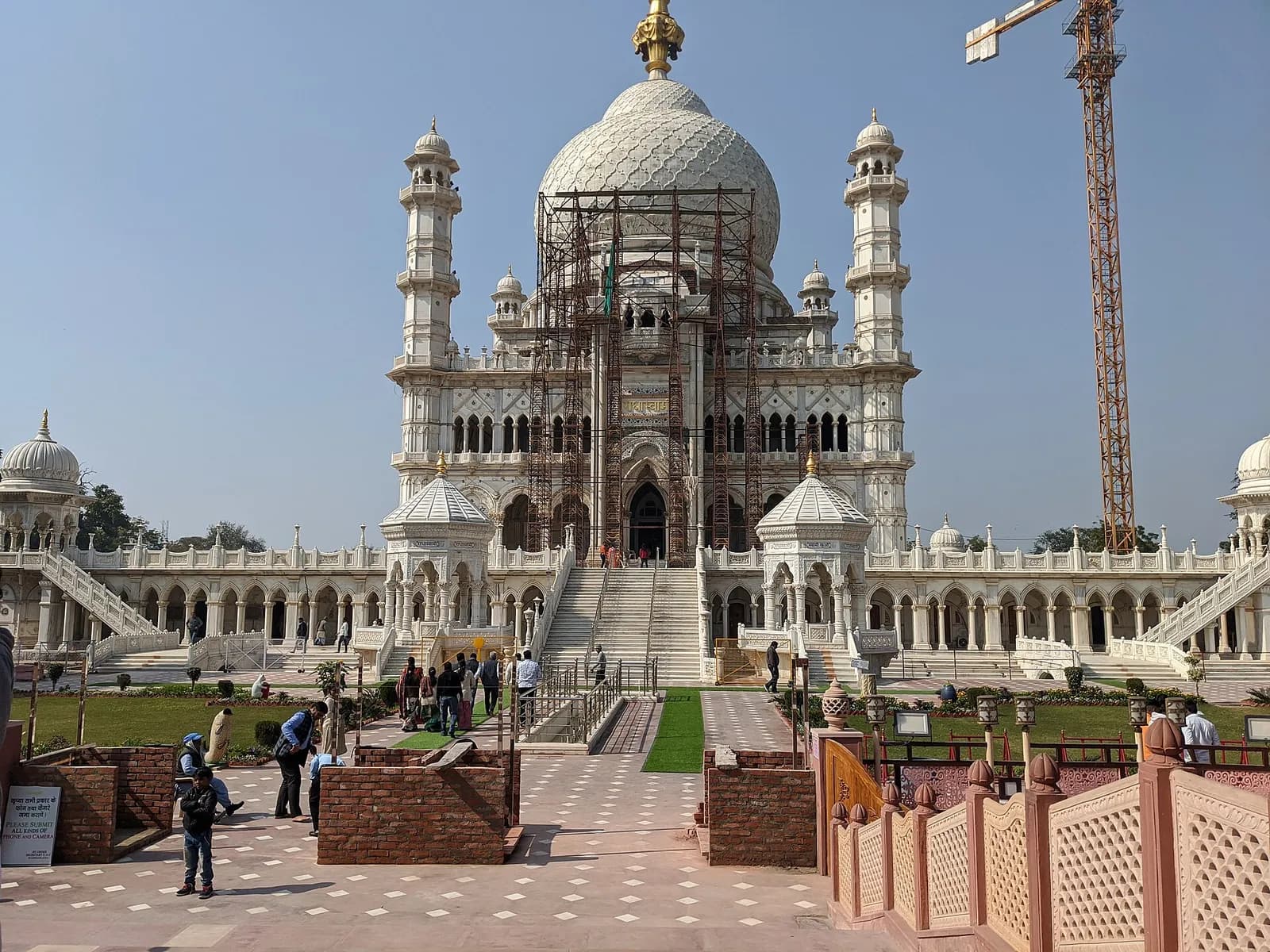
 Dayal Bagh, Agra
Soami Bagh and Dayal Bagh Agra: Samadh, Timings and Guide
Visiting Soami Bagh Samadh and Dayal Bagh in Agra, the Radhasoami marble mausoleum that rivals the Taj? Here are the timings, history, rules and how to reach.
Quick answer
Soami Bagh and Dayal Bagh form the spiritual headquarters of the Radhasoami faith in northern Agra, anchored by the Samadh of Soamiji Maharaj, a white marble mausoleum whose craftsmanship rivals the Taj Mahal. Soami Bagh holds the memorial monument and prayer halls, while Dayal Bagh is the surrounding self-sustained colony founded in 1914. Visiting hours are 10 AM to 4 PM, entry is free and it features on our Agra tours, run by a unit of Experience My India.
- #dayal-bagh
- #agra
- #agra-attractions
- #agra-travel
Soami Bagh is Agra's great marble secret, a mausoleum still being built by hand after more than a century, so finely carved that many who see it call it a rival to the Taj Mahal. Set in the quiet Radhasoami colony of Dayal Bagh in the north of the city, it is a world away from the monument crowds. Our team at Delhi Agra Tour Packages often suggests it for travellers who want something few tourists ever see and it slots neatly into a wider Golden Triangle tour through Delhi, Agra and Jaipur.
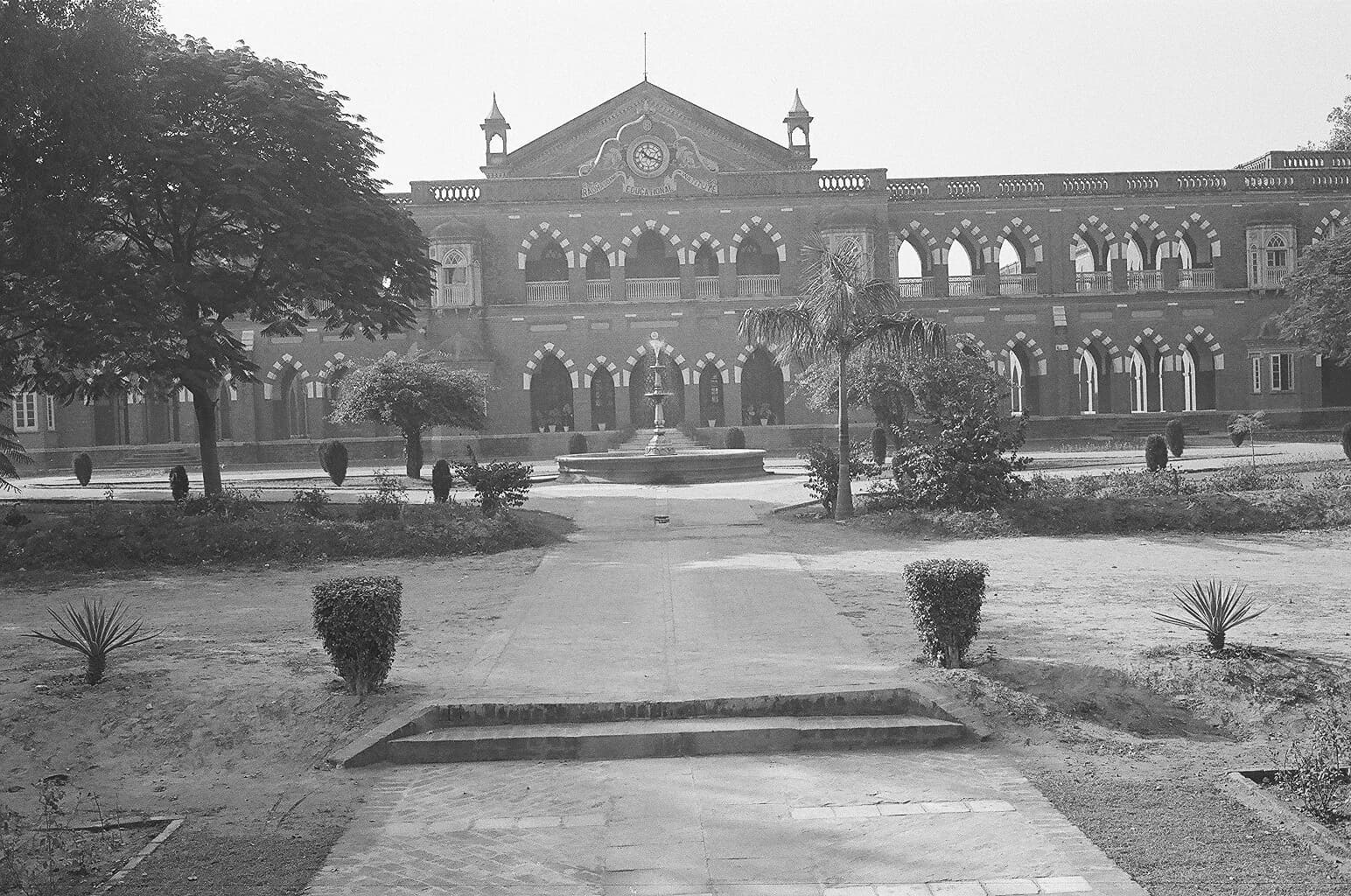
I am Abhay Sharma, a Golden Triangle guide since 2015 and I love bringing curious guests here. Soami Bagh gives you pristine white marble, exquisite pietra dura inlay and a serene faith colony that runs its own farms, schools and hospitals, all without the queues of the famous monuments. This guide covers everything you need before a visit, the visiting hours and satsang timings, the history of the Radhasoami faith, the architecture, the strict rules and how to reach it. Note that this is the Radhasoami spiritual complex, not the Dayalbagh Educational Institute of the same area.
Soami Bagh and Dayal Bagh at a glance
| Detail | Information |
|---|---|
| What it is | The Radhasoami faith's spiritual headquarters |
| Main monument | The Samadh of Soamiji Maharaj, a white marble mausoleum |
| Known for | Taj-rivalling marble craftsmanship, still under construction |
| Location | Dayal Bagh, northern Agra |
| Visiting hours | 10 AM to 4 PM daily |
| Entry | Free, with photo ID |
| Daily satsang | 3:45 AM and 3:45 PM |
| Time needed | 1 to 1.5 hours |
Visiting hours and satsang timings
| Session | Timing |
|---|---|
| Tourist visiting hours | 10 AM to 4 PM daily |
| General gate hours | 6 AM to 6:30 PM |
| Daily satsang | 3:45 AM and 3:45 PM |
| Time needed | 1 to 1.5 hours |
The Samadh is open to tourists from 10 AM to 4 PM daily, within wider general gate hours of 6 AM to 6:30 PM. The daily satsang, the spiritual discourse, is held at 3:45 AM and 3:45 PM and is open to respectful observers. Plan on 1 to 1.5 hours to explore the Samadh, the surrounding gardens and the colony roads. These timings are current at the time of writing and can change on special occasions, so reconfirm before a special visit.
Entry fee and ID requirement
| Detail | Information |
|---|---|
| Entry fee | Free for all Indian and international visitors |
| ID requirement | Valid government photo ID for gate registration |
| Accepted ID | Aadhaar card, passport or similar |
| Donations | Not accepted from tourists |
Entry is free for all visitors, Indian and international alike. You must carry a valid government photo ID, such as an Aadhaar card or passport, for registration at the gate, so keep one handy. The monument is funded entirely by the faith's own community and neither the complex nor its staff accept monetary donations from tourists, so there is no cost or collection at any point. This information is current at the time of writing.
How to reach Soami Bagh and Dayal Bagh
| From | Route |
|---|---|
| Location | Dayal Bagh Road, northern Agra |
| Distance from central Agra | 5 to 9 km north |
| From Agra Cantt or the Taj area | 30 to 40 minutes by auto or cab |
| Parking | Paid parking outside the main gate |
What are Soami Bagh and Dayal Bagh?
Soami Bagh and Dayal Bagh together form the spiritual headquarters of the Radhasoami faith in northern Agra. The two names refer to two linked places. Soami Bagh houses the sacred memorial monument, the Samadh of Soamiji Maharaj, along with prayer halls and it is the devotional heart of the whole complex. Dayal Bagh, whose name means the Garden of the Merciful, is the surrounding self-sustained eco-colony, founded in 1914 and home to thousands of followers who live and work by the faith's principles. At the centre of it all stands the Samadh, a century-old white marble mausoleum whose craftsmanship is so fine that it is often said to rival the Taj Mahal and it is still being built by hand today.
Several things make this complex special and they are worth knowing before you arrive:
- A marble monument to rival the Taj. The Samadh of Soamiji Maharaj is a masterpiece of white marble, pietra dura and carving, still unfinished after more than a century.
- A living faith colony. Dayal Bagh is a self-reliant community of thousands, running its own farms, dairies, schools and hospitals.
- An interfaith message in stone. The Samadh deliberately blends Hindu, Islamic, Sikh and Christian architectural elements.
- Free and uncrowded. Entry is free and the complex sees a fraction of the Taj Mahal's visitors, so it is wonderfully peaceful.
- A spiritual experience. The daily satsang and the quiet devotion of the colony make this a place of reflection, not just sightseeing.
History and the Radhasoami faith
To understand Soami Bagh, it helps to know the faith it belongs to and the people who built it. The following is the history of the Radhasoami movement and its Agra headquarters.
- The founding of the faith. The Radhasoami Satsang movement was founded in January 1861 in Agra by Shiv Dayal Singh Seth, revered by devotees as Param Purush Puran Dhani Huzur Soamiji Maharaj.
- The faith's teachings. It emphasises internal spiritual realisation through Surat Shabd Yoga, community service and the unity of all religions, while rejecting rigid ritualism.
- The founding of Dayal Bagh. Dayal Bagh was founded on 20 January 1914 by the fifth spiritual leader, Sir Anand Swarup, who transformed barren sand dunes into a lush, self-reliant colony of 4.5 square kilometres.
- A century of construction. Work on the present white marble Samadh in Soami Bagh began in 1904 and generations of artisans have worked on it continuously for more than 120 years, treating the ongoing construction itself as a perpetual act of devotion.
This history is what makes the place so remarkable. The Radhasoami faith grew from a single teacher in 19th-century Agra into a worldwide movement and its headquarters here embody its values in brick, marble and daily life. The idea that a monument can be under construction for more than a century, with each generation of craftsmen adding to it as an offering, is almost unique and it gives Soami Bagh a living quality that a finished monument can never have. Dayal Bagh, meanwhile, stands as a working example of the faith's belief in self-reliance and service.
The faith's core ideas help explain what you see. Surat Shabd Yoga, the practice of inner spiritual realisation through sound and meditation, places the emphasis on the individual's inward journey rather than on outward ritual, which is why the atmosphere here feels so contemplative. The commitment to the unity of all religions is written directly into the Samadh's design, which draws on four faiths at once and the value placed on community service shows in the farms, schools and hospitals of Dayal Bagh. The transformation of barren sand dunes into a green, self-reliant colony, begun in 1914, was itself an expression of these beliefs, a demonstration that faith and practical work belong together. When you walk the colony and see the Samadh, you are seeing a philosophy made visible, which is part of what gives a visit here its unusual depth. It is less a monument to the past than a continuing project of the present.
The Soami Bagh Samadh: architecture
The Samadh of Soamiji Maharaj is an extraordinary feat of craftsmanship and its details reward a slow, close look.
- Scale and structure. The monument rises to a total height of 193 feet 4 inches, with a 110-foot main marble structure topped by a gold-plated pinnacle of 31.4 feet and it rests on 52 deep-well, earthquake-resistant foundations.
- An interfaith design. Reflecting the faith's message of universal brotherhood, the building blends architectural elements from Hindu temples, Islamic mosques, Sikh gurudwaras and Christian churches.
- Exquisite stonework. Built from pristine white marble sourced from Makrana, Jodhpur and Udaipur, the walls carry intricate pietra dura inlay in semi-precious stones, alongside hand-carved floral, fruit and vine reliefs.
- The Bhajan Ghar and the gates. Adjacent to the main mausoleum sits a massive colonnaded congregation hall, the Bhajan Ghar and the complex has five main gates, representing the five syllables of the sacred name Radhasoami.
The carving is the thing that stops visitors in their tracks. The inlay work and the stone reliefs of flowers, fruit and vines are as fine as anything on the Mughal monuments and because the work is ongoing you can often see artisans at their craft, something no finished monument can offer. The deliberate blending of four faiths in one design is unusual and moving, a statement of unity built into the very stone.
The choice of materials speaks to the ambition of the project. Makrana marble, the same stone that clothes the Taj Mahal, forms the body of the Samadh, chosen for its purity and its ability to hold the finest carving, while marble from Jodhpur and Udaipur adds to the work. The pietra dura or parchin kari, inlay sets semi-precious stones into the marble to form flowers and patterns, a painstaking craft in which each tiny piece is shaped and fitted by hand, exactly as it was for the Mughal monuments three centuries earlier. The fifty-two deep-well foundations that carry the structure speak to the care taken to make it last and the gold-plated pinnacle crowning the marble gives it a gleam visible from a distance. That all of this has been achieved without the resources of an empire, funded and built by a faith community over generations, makes the craftsmanship all the more extraordinary.
The marble mausoleum that rivals the Taj Mahal
The comparison with the Taj Mahal is one visitors make again and again and it is not idle. Both are white marble monuments to love and devotion, both use the finest Makrana marble and the delicate art of pietra dura inlay and both represent the peak of their craft. Where they differ is as interesting as where they agree. The Taj Mahal was completed in a few decades in the 17th century and stands finished and perfect; the Soami Bagh Samadh has been rising by hand for more than a century and is still unfinished, its construction treated as a continuous act of worship rather than a project to be completed. For visitors, this means you see the craft alive rather than frozen, with carvers and inlayers still at work on walls their grandfathers began. The Samadh is less famous, far less crowded and free to enter, which makes seeing it feel like a genuine discovery. It will never replace the Taj Mahal as Agra's icon, nor is it meant to, but for anyone who loves marble craftsmanship it is an essential and deeply rewarding counterpoint, the Taj's quiet, living cousin in the north of the city.
Inside the Dayal Bagh community
Beyond the Samadh, Dayal Bagh itself is worth understanding, because it is a living experiment in community life. The colony is home to more than 3,000 resident followers and operates on the principle of cooperative labour or seva, with members giving their work as service. It maintains organic agricultural farms, dairy units and small-scale cottage industries, aiming to be as self-reliant as possible. The area also houses the renowned Dayalbagh Educational Institute, charitable hospitals and technical training centres, reflecting the faith's deep commitment to education and service. For a visitor, driving or walking the quiet orderly colony roads is a glimpse of a very different way of living, calm, cooperative and purposeful. At the end of Poiya Ghat Road, on the banks of the Yamuna, lies Poiya Ghat, a peaceful riverside spot ideal for a morning or evening walk away from the city crowds. Together, the Samadh and the colony show two sides of the same faith, its devotion in marble and its values in daily life. Many visitors find the colony as interesting as the monument, because it is rare to see a community that has tried so deliberately to live by a shared set of principles, growing its own food, teaching its own children and caring for its own sick. It is not a staged attraction but a working place, so move through it with the same respect you would bring to any neighbourhood and you will come away with a richer sense of what Soami Bagh really is.
Visiting hours, satsang and entry
Soami Bagh is easy and free to visit, with a few things to plan around. The Samadh is open to tourists from 10 AM to 4 PM daily, within the wider general gate hours of 6 AM to 6:30 PM. Entry is free for everyone, Indian and international, but you must carry a valid government photo ID, such as an Aadhaar card or passport, for registration at the gate, so do not arrive without one. The daily satsang, the spiritual discourse at the heart of Radhasoami practice, is held at 3:45 AM and 3:45 PM and is open to respectful observers who wish to experience it. Plan on 1 to 1.5 hours for the Samadh, the gardens and a drive through the colony. Remember that no donations are accepted from tourists, as the monument is funded entirely by the faith's community. These details are current at the time of writing and worth reconfirming before a special trip.
Rules and etiquette
Soami Bagh is an active place of worship and an active construction site and it enforces its rules strictly. Respecting them is essential:
- No phones or cameras. Cameras, smartphones and electronic gadgets are strictly prohibited inside the main Samadh compound. Secure cloakrooms and counters near the entrance gate are provided to deposit devices and bags.
- Shoes and socks off. Remove your shoes and socks before entering the marble premises. Carry a pair of clean socks in winter or peak summer, as the marble floors can get very cold or very hot.
- Dress modestly. Cover your shoulders and knees, as this is an active place of worship. Maintain silence inside the sanctum.
- Respect restricted areas. The Samadh is still under construction, so respect the active construction zones and any restricted prayer areas.
- Carry photo ID. A valid government photo ID is required for gate registration, so keep one ready.
What to expect at Soami Bagh and Dayal Bagh
Expect a serene, dignified and slightly unusual experience rather than a typical tourist monument. You arrive in the quiet northern colony, deposit your phone and bags at the entrance counter, remove your shoes and socks and step onto the cool marble to see the Samadh up close. Because photography is not allowed, this is a visit to take in with your own eyes and many people find that freeing. The atmosphere is calm and reverent, with devotees and visitors moving quietly and often the sound of carving as artisans work on the unfinished stone. The surrounding gardens are well kept and the colony roads are orderly and green. It is not a place for a quick photo stop, because you cannot take photos and it is not crowded or commercial. It is a place to slow down, admire craftsmanship of the highest order and glimpse a living faith community at work. For the right traveller, it is one of the most memorable and surprising stops in all of Agra.
A word on expectations helps here. Because this is a devotional site and an active construction project rather than a ticketed tourist attraction, there is no audio guide, no souvenir shop and no polished visitor trail and parts of the monument may be screened off where work is under way. What there is instead is authenticity, the sense of seeing something real and unhurried, cared for by the people to whom it means the most. Visitors who come expecting a second Taj Mahal with the same scale of crowds and facilities may be surprised, but those who come curious and open, ready to admire fine work and respect a living faith, tend to leave deeply impressed. It rewards a certain kind of traveller, the one who values discovery over fame and for that traveller it can be the quiet high point of a trip to Agra.
Best time to visit Soami Bagh and Dayal Bagh
The best season is October to March, when daytime temperatures in Agra stay pleasant, between 8 and 28 degrees Celsius, which also makes the marble comfortable underfoot. Within the day, the tourist hours of 10 AM to 4 PM are when you can see the Samadh and a late-morning visit gives you soft light and a quiet complex. If you wish to experience the devotional heart of the place, the afternoon satsang at 3:45 PM is open to respectful observers, though the early morning satsang at 3:45 AM is for the truly dedicated. The summer months are hot and the marble can scorch underfoot, which is another reason to favour the cooler season and to carry clean socks. Our wider notes on the best time to visit Agra apply closely here.
How to reach Soami Bagh and Dayal Bagh and its location
Soami Bagh and Dayal Bagh lie 5 to 9 kilometres north of central Agra, along Dayal Bagh Road. From Agra Cantt Railway Station or the Taj Mahal area, the journey takes 30 to 40 minutes by auto-rickshaw or an app-based cab and paid parking is available outside the main entrance gate. The complex sits in the quiet northern reaches of the city, away from the main monument circuit, so it is best reached by road rather than public transport. If you are travelling from the famous sights, our guide on how to reach the Taj Mahal covers that side of the city and the drive north to Dayal Bagh is straightforward. Because it is a little off the usual tourist track, it pairs well with a relaxed half-day rather than a rushed dash and travellers staying over often add it to an Agra overnight tour from Delhi or a same day Agra tour from Delhi with time built in.
Places to visit near Soami Bagh and Dayal Bagh
Soami Bagh sits in the northern part of Agra, a little apart from the main monument clusters, so it pairs best with a relaxed northern or riverside circuit. The nearby Balkeshwar temple, a riverside Shiva shrine, makes a natural companion for a quieter half-day in this part of the city. When you turn to the headline sights, the Taj Mahal remains the centre of any Agra trip, with the Agra Fort and the eastern-bank jewel of Itimad-ud-Daulah close behind and the garden of Mehtab Bagh for the classic Taj sunset. With a full day on the Jaipur road, the deserted Mughal capital of Fatehpur Sikri is a rewarding addition. For more ideas on filling an Agra day, see our overview of things to do in Agra and the wider list of Agra places of interest.
Visiting tips
A few notes to make your visit smooth and respectful:
- Carry photo ID. You cannot register at the gate without a valid government ID, so keep an Aadhaar card or passport ready.
- Leave the phone at the counter. Cameras and phones are banned inside, so deposit them at the entrance and enjoy the visit screen-free.
- Bring clean socks. Shoes and socks come off on the marble, which can be cold or hot, so a spare pair of socks helps.
- Dress modestly. Cover your shoulders and knees and keep silence inside the sanctum.
- Go in the cooler months. October to March is far more comfortable for the marble and the walk.
- Do not offer donations. None are accepted from tourists, so simply visit and enjoy.
Soami Bagh and Dayal Bagh in your Agra itinerary
Soami Bagh and Dayal Bagh fit an Agra itinerary as a peaceful, off-the-beaten-track half-day that contrasts beautifully with the famous monuments. Because the complex is in the quiet north of the city and asks for an unhurried, phone-free visit, it suits travellers who have a second day in Agra or who want something beyond the standard circuit. The natural way to use it is as a calm morning or late-morning stop, perhaps paired with the nearby Balkeshwar temple and a walk by the Yamuna at Poiya Ghat, before or after the headline sights on another part of the day. For anyone who loves marble craftsmanship or who is curious about living faith communities, it is a highlight rather than a detour and the fact that so few tourists see it makes it feel like a real discovery. Our Agra travel guide helps you weave it into a trip that goes beyond the Taj Mahal and the fort. For travellers with a genuine interest in craftsmanship or faith, it is often the stop they talk about most once they are home, precisely because so few visitors ever find their way here.
Plan your trip with us
If you would like to see the marble monument that rivals the Taj Mahal, without the crowds and to understand the remarkable faith community that built it, let us arrange the day. Our Delhi Agra tours cover the Taj Mahal, the Agra Fort and the city's hidden corners and travellers short on time often choose a full Golden Triangle tour through Delhi, Agra and Jaipur or an early start with our sunrise Taj Mahal tour. To plan dates, inclusions and a route that gives Soami Bagh its due, message Abhay and the team directly on WhatsApp at +91 7302265809 or reach our team online and we will shape an Agra journey that pairs the famous monuments with its quiet marvels.
Related guides
Keep reading before you travel, these pair well with this guide:
Enquire Now
What our travellers say
“Our Golden Triangle honeymoon was flawless. Sunrise at the Taj with a private guide felt like a dream — every detail was handled.”
“As a first-time visitor to India, I felt completely safe and looked after. The driver and guide were superb professionals.”
“Travelling with two kids is hard, but they made it effortless. Great pacing, clean cars and zero surprises on price.”
“Booked the Agra day trip on short notice and it went off without a hitch. The guide's history knowledge made the Taj come alive.”
“Best decision of our India trip. Car was spotless, driver was punctual every single day, and the itinerary never felt rushed.”
“Organised a same-day Agra trip for my parents. Communication before and during the trip was excellent — genuinely stress-free.”
“Sunrise at the Taj Mahal was magical. Our guide spoke great English and answered every question with patience.”
“Three generations travelling together and everyone was comfortable — good vehicle, sensible stops, and no hidden costs.”
“I've used a few tour operators across Asia and this was among the smoothest. Fair pricing and they actually answer the phone.”
“Our custom Rajasthan-Agra combo was planned around our budget without cutting corners on comfort. Highly recommend.”
“Solo female traveller here — I felt safe throughout. The driver was respectful and the whole trip was timed perfectly.”
Ready to Explore
The Magic of Agra?
Experience the Taj Mahal at sunrise, explore the mighty Agra Fort, and discover the hidden gems of India's most beloved heritage city with our expert-guided premium tours.

Agra
Premium Tour Package
Questions
Frequently asked questions
What are Soami Bagh and Dayal Bagh in Agra?
They are the spiritual headquarters of the Radhasoami faith in northern Agra. Soami Bagh houses the Samadh of Soamiji Maharaj, a white marble mausoleum whose craftsmanship rivals the Taj Mahal, while Dayal Bagh is the surrounding self-sustained faith colony founded in 1914. This is the religious complex, not the Dayalbagh Educational Institute.
Who built the Soami Bagh Samadh?
What are the Soami Bagh visiting hours?
Is there an entry fee at Soami Bagh?
Can I take photos at Soami Bagh?
Does the Soami Bagh Samadh really rival the Taj Mahal?
How tall is the Soami Bagh Samadh?
How far is Soami Bagh from the Taj Mahal?
What should I wear and carry to visit Soami Bagh?
Is Soami Bagh worth visiting?
Explore more
Plan your Soami Bagh and Dayal Bagh trip with us

Interested in Soami Bagh and Dayal Bagh Agra: Samadh, Timings and Guide?
Chat with our travel team for a custom quote, or browse every package.
Related Attractions
9Soami Bagh and Dayal Bagh Agra on the map
Open in Google MapsReady to explore Soami Bagh and Dayal Bagh Agra: Samadh, Timings and Guide?
Book your private tour today and experience the magic of India's rich heritage.