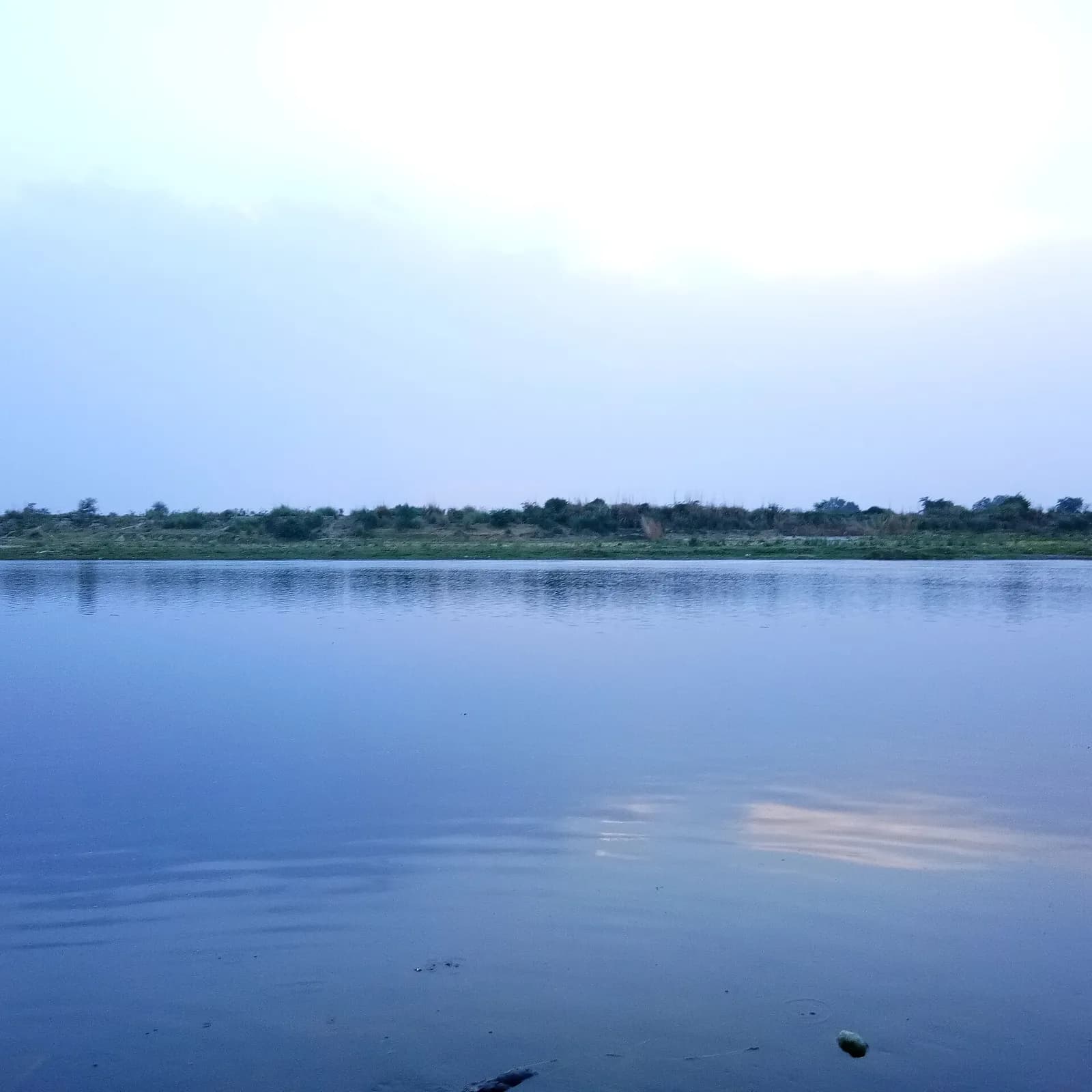
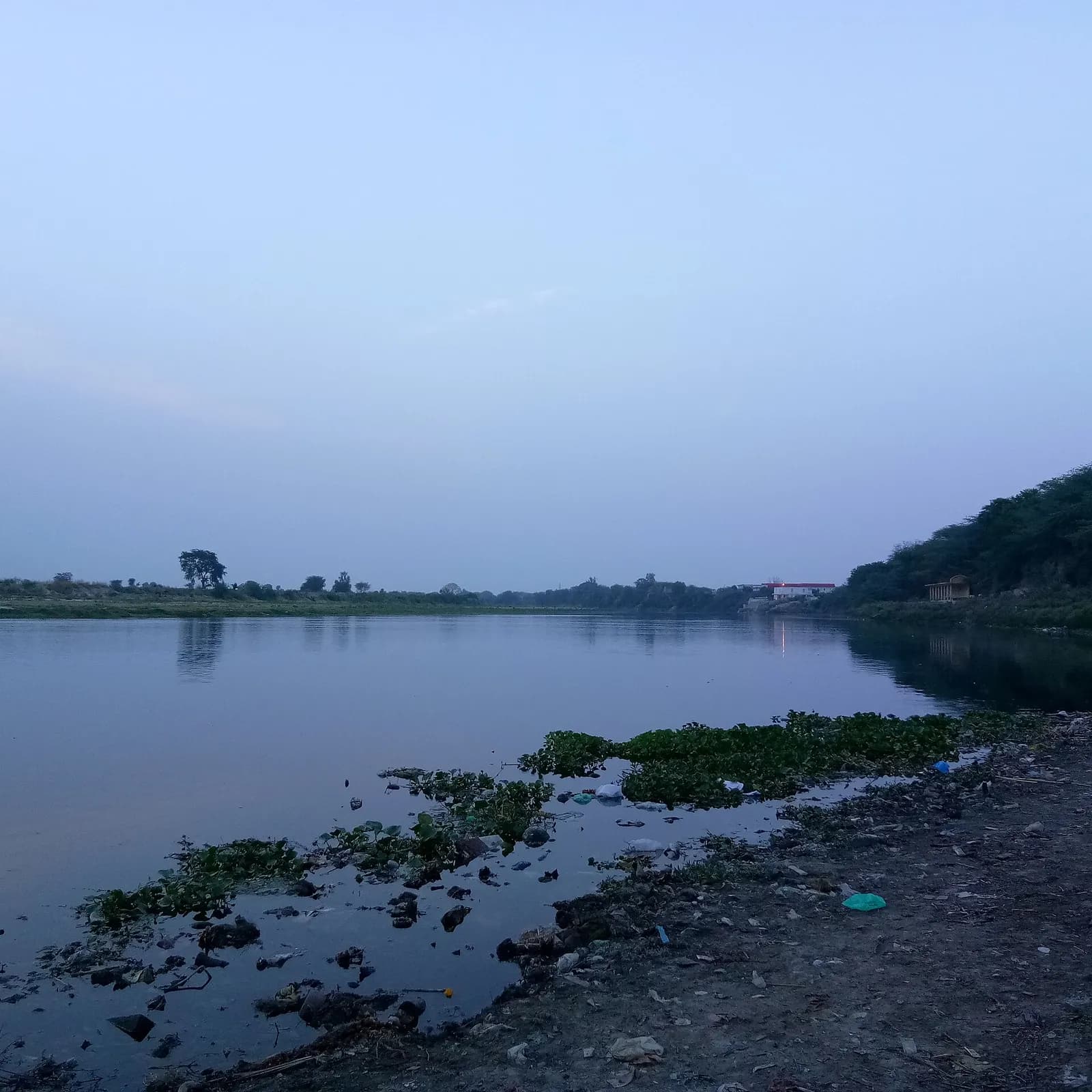
 Sikandra, Agra
Kailash Temple Agra: Sikandra Shiva Temple Guide
Visiting Kailash Mahadev Temple in Sikandra, Agra, the riverside Shiva shrine with twin Shivlings? Its timings, aarti, history, free entry and how to reach.
Quick answer
Kailash Temple or Kailash Mahadev Mandir, is a historic riverside Hindu temple to Lord Shiva in Sikandra, Agra, on the banks of the Yamuna. It is renowned as one of the only shrines with two distinct Shivlings set together in a single base and local tradition traces it to Lord Parashurama. Entry and daily darshan are free, it is open from 5 AM to 10 PM and it features on our Agra tours, run by a unit of Experience My India.
- #kailash-temple
- #agra
- #agra-attractions
- #agra-travel
Kailash Temple is one of Agra's most revered and atmospheric Shiva shrines, a peaceful riverside temple where two Shivlings sit side by side in a single silver-clad base, a rarity found almost nowhere else. Set on the Yamuna in Sikandra, away from the tourist trail, it draws steady streams of devotees and offers calm river views. Our team at Delhi Agra Tour Packages includes it for travellers interested in living faith and the lesser-seen side of the city and it fits well into a Golden Triangle tour through Delhi, Agra and Jaipur.
I am Abhay Sharma, a Golden Triangle guide since 2015 and Kailash Temple is a lovely addition for anyone drawn to temples rather than only monuments. It gives you the rare twin Shivlings, a riverside ghat on the Yamuna, a connection to the sage Parashurama and its place as one of the four ancient Shiva temples said to guard the corners of Agra. This guide covers everything you need, the timings and aarti schedule, the free entry and puja charges, the history, the festivals and how to reach it. Note that this is the Kailash Mahadev Mandir in Sikandra, Agra, not the rock-cut Kailasa Temple at Ellora or Mount Kailash.
Kailash Temple at a glance
| Detail | Information |
|---|---|
| What it is | A historic riverside Shiva temple |
| Famous for | Twin Shivlings in a single silver-clad base |
| Deity | Lord Shiva, as Kailash Mahadev |
| Location | Kailash Ghat, Bainpur Mustkil, Sikandra, Agra |
| Open | Daily, 5 AM to 10 PM |
| Entry | Free |
| From central Agra | 12 to 13 km |
| Best season | October to March |
Kailash Temple timings
| Session or aarti | Timing |
|---|---|
| Morning darshan | 5 AM to 1 PM |
| Afternoon break | Closed 1 PM to 2 PM |
| Evening darshan | 2 PM to 10 PM |
| Mangla Aarti | 5:30 AM to 6:15 AM |
| Shringar Aarti | 7:15 AM to 7:45 AM |
| Sandhya Aarti | 6:30 PM to 7:30 PM |
The temple is open daily from 5 AM to 10 PM, with a brief afternoon closure for ritual rest. Morning darshan runs from 5 AM to 1 PM, the temple closes from 1 PM to 2 PM and evening darshan runs from 2 PM to 10 PM. The aartis are the highlights of the day, from the early Mangla Aarti to the evening Sandhya Aarti. These timings are current at the time of writing and can vary on festival days, so reconfirm if you are visiting for a particular aarti.
Entry and puja charges
| Ritual or service | Fee |
|---|---|
| General darshan and entry | Free |
| Shiv Chalisa Path | ₹1,100 |
| Rudrabhishek | ₹2,100 |
| Mrityunjaya Jaap | ₹3,100 |
| Maha Shivaratri special puja | ₹5,100 |
General admission and daily darshan at Kailash Mahadev Temple are completely free and open to all devotees without a ticket. Visitors who wish to sponsor a special ritual can book a puja at the temple or online, with a Shiv Chalisa Path at ₹1,100, a Rudrabhishek, the sacred ceremonial bathing of the twin Shivlings, at ₹2,100, a Mrityunjaya Jaap at ₹3,100 and an elaborate Maha Shivaratri special puja package at ₹5,100. These charges are current at the time of writing and are set by the temple, so reconfirm when booking.
How to reach Kailash Temple
| From | Details |
|---|---|
| Location | Bainpur Mustkil, Sikandra, off NH-2 |
| From central Agra | 12 to 13 km |
| ISBT Bus Stand | 8.6 km |
| Agra Cantt Railway Station | 14.6 km |
| Agra Airport (Kheria) | 13.5 km |
What is Kailash Temple?
Kailash Temple, properly the Kailash Mahadev Mandir, is a historic Hindu temple dedicated to Lord Shiva in Sikandra, Agra, standing on the banks of the Yamuna River. It offers free entry for all visitors and is renowned across India as one of the only shrines housing two distinct Shivlings established together inside a single jalhari, the base that holds the linga. This rare twin-Shivling arrangement, adorned with intricate silver work, is what sets it apart from the countless other Shiva temples of the region and draws devotees from far and wide. Set directly on a riverside ghat, with a mythological link to the sage Parashurama and a place among the ancient guardian temples of Agra, it is a shrine of real depth and atmosphere and one of the city's most rewarding temple visits.
Several things make Kailash Temple special:
- The twin Shivlings. Two sacred Shivlings sit side by side in a single silver-clad base, a rarity found at almost no other shrine in the country.
- An ancient origin. Local tradition holds the shrine to be thousands of years old, linked to Lord Parashurama and his father, the sage Jamadagni.
- A guardian of Agra. It is counted among the four ancient Shiva temples said to stand at the four corners of the city to protect it.
- A riverside setting. It sits on the Kailash Ghat along the Yamuna, with peaceful river views and steps down to the water's edge.
- Free and welcoming. Entry and daily darshan are free and the temple welcomes all devotees and visitors, with optional pujas for those who wish to take part more deeply.
History and significance
The temple's significance rests as much on sacred tradition as on recorded history and the following accounts come from local tradition and devotional belief.
- The twin Shivlings. The main sanctum houses two sacred Shivlings side by side in one base, adorned with intricate silver work, which is the temple's defining and most revered feature.
- Mythological roots. Local tradition holds that the shrine is thousands of years old and was established by Lord Parashurama and his father, Rishi Jamadagni, after they performed severe penance to Lord Shiva.
- A corner guardian of Agra. It is recognised as one of the four ancient Shiva temples situated at the four corners of Agra to protect the city, a belief that gives it a special place in the city's spiritual geography.
- A riverside shrine. Situated directly on the Kailash Ghat along the Yamuna in Bainpur Mustkil, the temple offers peaceful river views and during the monsoon the rising waters occasionally reach the steps.
This blend of myth, devotion and setting is what gives the temple its hold on the faithful. The link to Parashurama, one of the great figures of Hindu tradition, places the shrine within the deep epic past, while its role as a guardian of Agra ties it to the very identity of the city. For devotees, the twin Shivlings are a powerful and unusual focus of worship; for the general visitor, the combination of the rare sanctum, the river setting and the living ritual life makes it far more than just another temple. You come here not for grand architecture but for atmosphere, faith and a sense of continuity with a very old tradition.
The idea of the temple as a guardian of the city is worth dwelling on, because it reflects a way of seeing Agra that predates its Mughal fame entirely. In this tradition, four ancient Shiva temples stand at the cardinal corners of the city, each watching over it and together forming a protective spiritual boundary, with Kailash Mahadev counted among them. For the people of Agra, this makes the temple not just a place of personal worship but a part of the city's very foundation, a sacred anchor older than the forts and tombs that made the city famous. Whether or not a visitor shares the belief, understanding it changes how you see the shrine: it is not a minor local temple but, in the eyes of the faithful, one of the pillars that hold the city safe. That sense of deep rootedness, of a sacred site tending the city across the ages, is part of what gives a visit its quiet weight.
The twin Shivlings
The heart of Kailash Temple and the reason for its fame, is its extraordinary sanctum, where two distinct Shivlings are established together inside a single jalhari. This is genuinely rare: at almost every Shiva temple a single linga sits in its base, but here two stand side by side, sharing one silver-adorned seat. Devotees regard the pairing as especially auspicious and the intricate silver work that frames the lingas adds to the sense of reverence. Pilgrims come specifically to offer worship at this unusual sanctum, pouring milk and water over the twin lingas and offering belpatra and flowers and the Rudrabhishek ritual, the ceremonial bathing of the Shivlings, is a particularly powerful thing to witness or sponsor here. For a visitor, even without knowing the finer points of the ritual, standing before the twin Shivlings is a memorable experience, a reminder that this quiet riverside temple holds something found almost nowhere else. It is the single feature that makes Kailash Temple worth the trip out to Sikandra.
Devotees attach deep meaning to the pairing. In a tradition where the Shivling is the aniconic form of Lord Shiva himself, two lingas sharing one sacred seat is understood as a doubly auspicious concentration of the divine presence and many pilgrims travel specifically to seek its blessings for health, family and protection, which is reflected in the temple's popular rituals like the Mrityunjaya Jaap. The silver work around the lingas is itself an offering of devotion, built up over time by the faithful and it catches the lamplight beautifully during the aartis. If you visit at a quiet hour you can sit before the sanctum and take it in at your own pace; at aarti time you will see it at the centre of the full ceremony, bathed, dressed and honoured. Either way, it is worth lingering here rather than treating the darshan as a quick stop, because the twin Shivlings are the heart of everything the temple is.
Timings and aarti schedule
Kailash Temple follows a full daily schedule with a short afternoon rest, so timing your visit to an aarti rewards you richly. The temple is open from 5 AM to 10 PM, with morning darshan from 5 AM to 1 PM, a closure from 1 PM to 2 PM and evening darshan from 2 PM to 10 PM. Three aartis punctuate the day: the Mangla Aarti from 5:30 AM to 6:15 AM, which opens the temple's day with the first worship of the Shivlings; the Shringar Aarti from 7:15 AM to 7:45 AM, when the deity is adorned; and the Sandhya or evening, Aarti from 6:30 PM to 7:30 PM, the most atmospheric of all, filled with lamps, bells and chanting as dusk falls over the river. For the fullest experience, time your visit to the early Mangla Aarti or the evening Sandhya Aarti and avoid the 1 PM to 2 PM closure. These timings are current at the time of writing and shift a little on festival days.
Entry and puja charges
Kailash Temple is free to visit, which keeps it open to every devotee. General admission and daily darshan cost nothing and need no ticket, so you can simply walk in, offer your prayers at the twin Shivlings and spend time by the river. For those who wish to sponsor a special ritual, the temple offers a range of pujas that can be booked on site or online: the Shiv Chalisa Path, a priest-led recitation and blessing, at ₹1,100; the Rudrabhishek, the sacred bathing of the twin Shivlings, at ₹2,100; the Mrityunjaya Jaap, a chanting ritual for health and protection, at ₹3,100; and the elaborate Maha Shivaratri special puja package at ₹5,100. These are entirely optional and most visitors simply take free darshan. If you do wish to sponsor a puja, it is a meaningful way to participate in the temple's ritual life and the priests will guide you through it step by step. These charges are current at the time of writing and are set by the temple, so it is worth reconfirming them when you book.
Festivals: Kailash Mela and Maha Shivaratri
The temple's calendar peaks around the great festivals of Lord Shiva, when the quiet riverside shrine is transformed. The most important is the Kailash Mela, held annually during the holy month of Shravan, typically in July or August, a massive local fair that draws thousands of devotees for Jalabhishek, the offering of water to the Shivlings, with festive stalls and strict crowd management in place for the throngs. It is a vivid, crowded and deeply traditional occasion and for those who enjoy the energy of an Indian religious fair it is the most spectacular time to come, though you should expect dense crowds and plan accordingly. The other great occasion is Maha Shivaratri, celebrated in February or March with all-night prayers, flower decorations and grand aartis, when the temple stays alive through the night. If your aim is a calm, contemplative darshan rather than a festival, it is best to avoid these peak dates, but if you want to see the temple at its most alive, they are unmatched.
The Shravan connection is especially strong here, as it is at Shiva temples across North India. The monsoon month of Shravan is the holiest period for Shiva worship, when devotees undertake fasts and offer Jalabhishek, pouring sacred water over the lingas and a riverside temple like Kailash Mahadev, with the Yamuna at its steps, is a natural focus for these rituals. The Kailash Mela that fills the month turns the usually quiet ghat into a thronged fairground of pilgrims, stalls and devotional music and for those who want to witness living Hindu tradition at full intensity it is an unforgettable sight. The trade-off, of course, is the crowds and the heat and dampness of the monsoon, so festival visits suit the adventurous rather than those after a peaceful darshan. For most foreign visitors, a quiet morning in the cool season shows the temple at its most approachable, while Indian devotees often plan their visit precisely for Shravan or Maha Shivaratri to share in the collective devotion.
What to expect at Kailash Temple
Expect a living, working riverside temple rather than a polished tourist site. You arrive in Sikandra, buy offerings of milk, belpatra, flowers and sweets from the vendors outside the gate and step into a shrine busy with the daily rhythm of worship, priests, bells and devotees. The sanctum with its twin Shivlings is the focus and the ghat beyond offers peaceful views over the Yamuna. It is atmospheric and genuinely sacred, a place of faith rather than sightseeing and that is its appeal. Be prepared for a simple, unglamorous setting: while the sanctum and the riverside views are deeply spiritual, visitors frequently note that the outer ghat areas can be littered, so watch your step near the riverbank and do not expect manicured surroundings. Dress modestly, follow the lead of the devotees and approach it as a place of worship and you will find it a moving and authentic experience. For travellers who enjoy India's living temples and especially for Shiva devotees, it is a rewarding and uncrowded alternative to the monument trail.
It is worth being honest about who the temple suits. If your idea of an Agra sight is a grand, manicured monument with polished facilities, Kailash Temple is not that and you may find its simple, workaday setting underwhelming. But if you are curious about how faith is actually lived in the city, if you enjoy the rhythm of bells, lamps and offerings or if you have a personal devotion to Lord Shiva, it is one of the most genuine and moving places you can visit in Agra. The riverside location adds a gentle beauty, especially in the soft light of early morning and the twin Shivlings give it a distinction that rewards the short journey out. Treat it as a cultural and spiritual experience rather than a tourist attraction, come with respect and modest dress and you will come away with a richer sense of Agra than the monuments alone can give. Many travellers find that a quiet temple visit like this becomes an unexpected highlight precisely because it is so real.
Best time to visit Kailash Temple
The best months are October to March, when the weather is pleasant for exploring the temple complex and sitting along the Yamuna ghat. Within the week, Mondays are the busiest days, as Monday is traditionally sacred to Lord Shiva and draws the largest crowds, while Wednesday through Friday mornings are the quietest and best for a calm darshan. The early Mangla Aarti and the evening Sandhya Aarti are the most atmospheric times of day. Avoid the peak festival dates of the Shravan Kailash Mela and Maha Shivaratri if you want quiet or seek them out if you want the full devotional spectacle. The monsoon can bring the river up to the steps, which is atmospheric but can leave the ghat muddy, so the dry cool season is the most comfortable overall. Our wider notes on the best time to visit Agra apply here too.
How to reach Kailash Temple and its location
Kailash Temple is in Bainpur Mustkil, Sikandra, off NH-2, the Mathura to Agra Road, roughly 12 to 13 kilometres from central Agra. It is easy to reach by road, with frequent auto-rickshaws and e-rickshaws running from the Sikandra Tiraha, also called Kailash Mor, directly to the temple gates. For orientation, the shrine is 8.6 kilometres from the ISBT Bus Stand, 13.5 kilometres from the Agra Airport at Kheria and 14.6 kilometres from the Agra Cantt Railway Station. Free street parking, on-site parking and paid parking lots are available nearby and there is a wheelchair-accessible entrance, which makes the temple easier to visit than many of Agra's older shrines for those with limited mobility. Our guide on how to reach the Taj Mahal and the city covers arrival into Agra, from where the temple is a short drive northwest. The Kailash Mor junction at Sikandra Tiraha is the landmark to aim for and from there it is a short, well-known hop to the gates. Because it sits on the Sikandra highway, it combines easily with the other sights of that area and travellers often fold it into an Agra overnight tour from Delhi or a same day Agra tour from Delhi.
Places to visit near Kailash Temple
Kailash Temple sits in the Sikandra area on the NH-2 corridor, so it pairs naturally with the great monuments and shrines of that side of the city. The obvious pairing is Akbar's Tomb, the vast mausoleum of the Mughal emperor, just a few kilometres away along the main highway, which makes an easy and rewarding combination with the temple. Also on the Sikandra and NH-19 stretch is the revered Sikh shrine of Guru ka Taal, another easy addition to a northern circuit. For those drawn to the city's Shiva temples, the ancient Mankameshwar Temple in the old city and the riverside Balkeshwar temple are counted among Agra's other great Shiva shrines, echoing the four-corner guardian tradition. When you turn to the headline sights, the Taj Mahal, the Agra Fort, the riverside Itimad-ud-Daulah, the garden of Mehtab Bagh and, on the Jaipur road, Fatehpur Sikri remain the essentials.
Visitor tips and etiquette
A few notes will make your visit smooth and respectful:
- Dress modestly. Modest, traditional attire is recommended, as this is an active place of worship.
- Buy offerings at the gate. You can purchase milk, belpatra, flowers and sweets from the vendors outside the gate to offer at the shrine.
- Mind the ghat. The outer riverside areas can be littered, so watch your step near the riverbank and wear sensible shoes.
- Time it well. Come on a Wednesday to Friday morning for a quiet darshan or at aarti time for atmosphere and avoid the 1 PM to 2 PM closure.
- Combine with Akbar's Tomb. It is only a few kilometres away on the same highway, making an easy pairing.
Kailash Temple in your Agra itinerary
Kailash Temple fits an Agra itinerary as a peaceful, spiritual stop on the Sikandra side of the city, ideal for travellers who want to see a living temple alongside the monuments. Because it lies on the NH-2 highway northwest of the centre, the natural plan is to combine it with Akbar's Tomb, which is close by, for a morning in Sikandra, perhaps timed to the Mangla Aarti for the full devotional atmosphere. For Shiva devotees it can be the centrepiece of a visit and for the general traveller it is a quiet, authentic contrast to the crowds at the Taj. On a Golden Triangle trip through Delhi, Agra and Jaipur, it adds a genuine slice of the city's living faith to a schedule otherwise full of Mughal marble. It takes only a short time to visit, so it slots in easily either on the way into Agra from Delhi or Mathura or as part of a dedicated Sikandra half-day. Our Agra travel guide helps you fit it in among the city's quieter, lesser-known corners.
Plan your trip with us
If you would like to visit Kailash Temple with time for the twin Shivlings, an aarti and the quiet of the Yamuna ghat, paired with Akbar's Tomb and the other Sikandra sights, let us arrange the day. We handle the transport out to Sikandra and can time your visit to the aartis for the fullest experience, so you simply enjoy it. Our Delhi Agra tours cover the Taj Mahal, the Agra Fort and the city's living temples and travellers short on time often choose a full Golden Triangle tour through Delhi, Agra and Jaipur or an early start with our sunrise Taj Mahal tour. To plan dates and a route that includes Kailash Temple, message Abhay and the team directly on WhatsApp at +91 7302265809 or reach our team online and we will build an Agra trip that honours its temples as well as its monuments.
Related guides
Keep reading before you travel, these pair well with this guide:
Enquire Now
What our travellers say
“Our Golden Triangle honeymoon was flawless. Sunrise at the Taj with a private guide felt like a dream — every detail was handled.”
“As a first-time visitor to India, I felt completely safe and looked after. The driver and guide were superb professionals.”
“Travelling with two kids is hard, but they made it effortless. Great pacing, clean cars and zero surprises on price.”
“Booked the Agra day trip on short notice and it went off without a hitch. The guide's history knowledge made the Taj come alive.”
“Best decision of our India trip. Car was spotless, driver was punctual every single day, and the itinerary never felt rushed.”
“Organised a same-day Agra trip for my parents. Communication before and during the trip was excellent — genuinely stress-free.”
“Sunrise at the Taj Mahal was magical. Our guide spoke great English and answered every question with patience.”
“Three generations travelling together and everyone was comfortable — good vehicle, sensible stops, and no hidden costs.”
“I've used a few tour operators across Asia and this was among the smoothest. Fair pricing and they actually answer the phone.”
“Our custom Rajasthan-Agra combo was planned around our budget without cutting corners on comfort. Highly recommend.”
“Solo female traveller here — I felt safe throughout. The driver was respectful and the whole trip was timed perfectly.”
Ready to Explore
The Magic of Agra?
Experience the Taj Mahal at sunrise, explore the mighty Agra Fort, and discover the hidden gems of India's most beloved heritage city with our expert-guided premium tours.

Agra
Premium Tour Package
Questions
Frequently asked questions
What is Kailash Temple in Agra?
Kailash Temple or Kailash Mahadev Mandir, is a historic riverside Hindu temple to Lord Shiva in Sikandra, Agra, on the banks of the Yamuna. It is famous for housing two distinct Shivlings together in a single silver-clad base, a rare feature and entry is free for all visitors.
What is special about the Kailash Temple Shivlings?
Who established Kailash Temple?
What are the Kailash Temple timings?
Is there an entry fee at Kailash Temple?
What are the Kailash Temple aarti timings?
Where is Kailash Temple located and how do I reach it?
What is the Kailash Mela?
When is Kailash Temple busiest?
Can I combine Kailash Temple with other sights?
Explore more
Plan your Kailash Temple trip with us

Interested in Kailash Temple Agra: Sikandra Shiva Temple Guide?
Chat with our travel team for a custom quote, or browse every package.
Related Attractions
9Kailash Temple Agra on the map
Open in Google MapsReady to explore Kailash Temple Agra: Sikandra Shiva Temple Guide?
Book your private tour today and experience the magic of India's rich heritage.