 Keetham, Delhi road, Agra
Keetham Lake Agra: Sur Sarovar Bird Sanctuary Guide
Visiting Keetham Lake, the Sur Sarovar Bird Sanctuary near Agra? Here are the timings, ticket price, best time, bird list, bear rescue centre and how to reach.
Quick answer
Keetham Lake, officially the Sur Sarovar Bird Sanctuary, is a protected wetland and Ramsar site off NH-19 near Runakta, 20 kilometres from central Agra. Spread around a pentagonal lake, it is home to over 165 bird species and the world's largest sloth bear rescue centre. The sanctuary is open from 6 AM to 5:30 PM and it features on our Agra tours, run by a unit of Experience My India.
- #keetham-lake
- #agra
- #agra-attractions
- #agra-travel
Keetham Lake is Agra's great escape into nature, a wide pentagonal lake fringed with woodland, alive with flamingos, pelicans and painted storks in winter and home to a remarkable sanctuary for rescued sloth bears. Just off the Delhi highway, it is an easy and rewarding half-day from the city. Our team at Delhi Agra Tour Packages often suggests it for travellers who love birds and wildlife and it slots neatly into a wider Golden Triangle tour through Delhi, Agra and Jaipur or a drive in from Delhi.
I am Abhay Sharma, a Golden Triangle guide since 2015 and I love sending nature-minded guests here. Keetham Lake, the Sur Sarovar Bird Sanctuary, gives you over 165 bird species, misty dawn views across the water, watchtowers over the nesting islands and the moving story of the Agra Bear Rescue Facility. This guide covers everything you need before a visit, the timings and the detailed ticket prices, the birds and wildlife, the bear centre, the best time to come and how to reach it.
Keetham Lake at a glance
| Detail | Information |
|---|---|
| What it is | A wetland bird sanctuary and Ramsar site |
| Also known as | Sur Sarovar Bird Sanctuary |
| Famous for | Migratory birds and a sloth bear rescue centre |
| Location | Near Runakta, off NH-19, Agra |
| Distance from Agra | 20 km |
| Open | 6 AM to 5:30 PM daily |
| Entry | Indian ₹30 to ₹40, cash only |
| Best season | October to March |
Sanctuary timings
| Detail | Information |
|---|---|
| Sanctuary hours | 6 AM to 5:30 PM, daily |
| Last entry | 30 minutes before sunset |
| Bear rescue facility | 10 AM to 5:30 PM, by prior booking |
| Time needed | 2 to 4 hours |
The Sur Sarovar Bird Sanctuary is open every day from 6 AM to 5:30 PM, with the last entry typically 30 minutes before sunset. The Agra Bear Rescue Facility inside keeps slightly different hours, 10 AM to 5:30 PM and must be booked in advance. Plan on 2 to 4 hours to explore the lakeside trails, the watchtowers and the bear centre. These timings are current at the time of writing and can change seasonally, so reconfirm before a special visit.
Entry fees and permits
| Category | Fee |
|---|---|
| Indian nationals | ₹30 to ₹40 per person |
| Foreign nationals | ₹350 per person, plus ₹500 ADA toll |
| Two-wheeler | ₹20 |
| Car | ₹100 |
| DSLR or personal camera | ₹500 per camera |
Entry at the sanctuary gate is cash only, so carrying physical currency is essential, as digital payments frequently fail there. Indian nationals pay ₹30 to ₹40 per person, while foreign nationals pay ₹350 per person plus a ₹500 Agra Development Authority pathkar toll, which is waived on Fridays and is valid the same day at the Taj Mahal and other Agra monuments. Vehicle entry is ₹20 for a two-wheeler and ₹100 for a car, allowing you to drive to the internal parking zone. A DSLR or personal camera carries a separate fee of ₹500 per camera, though mobile phone photography is free, which is worth knowing if you want to keep costs down. The bear rescue facility requires a separate booking and donation, arranged online rather than at the gate. These fees are current at the time of writing and are revised periodically, so reconfirm on arrival.
How to reach Keetham Lake
| From | Route |
|---|---|
| Location | Off NH-19, near Runakta |
| From central Agra | 35 to 45 minutes by cab or auto |
| Nearest railway | Agra Cantt and Agra Fort, 20 to 22 km |
| Nearest airport | Kheria Airport, Agra, 20 km |
What is Keetham Lake (Sur Sarovar Bird Sanctuary)?
Keetham Lake, officially the Sur Sarovar Bird Sanctuary, is a protected wetland and designated Ramsar site off the Agra to Delhi National Highway, NH-19, near Runakta, 20 kilometres from central Agra. Spanning roughly 8 square kilometres around a scenic pentagonal lake, it offers a tranquil wildlife retreat with over 165 bird species and the world's largest sloth bear rescue centre. It is one of the few places in the Agra region where nature, rather than monuments, is the main event and for birdwatchers and wildlife lovers it is a genuine highlight. The lake is man-made, fed by the Agra Canal and its calm waters, wooded shores and nesting islands make it a magnet for resident and migratory birds alike.
Several things make Keetham Lake special and they are worth knowing before you go:
- A Ramsar wetland. It is recognised as a wetland of international importance, a serious marker of its ecological value.
- Over 165 bird species. From resident kingfishers to thousands of winter migrants, the birdlife is exceptional.
- A world-first bear sanctuary. The Agra Bear Rescue Facility is the world's largest rehabilitation centre for rescued sloth bears.
- A scenic pentagonal lake. The man-made lake, with its artificial nesting islands, is both beautiful and purpose-built for wildlife.
- An easy escape from Agra. Just off the Delhi highway, it is a simple half-day trip from the city or a stop on the way in.
What draws most visitors is the sheer contrast with the rest of Agra. The city is defined by its monuments, its crowds and its markets and Keetham Lake offers the opposite, a wide, quiet expanse of water and woodland where the loudest sound is birdsong. It is close enough to reach in well under an hour, yet it feels a world away and that accessibility is a large part of its appeal. Whether you come as a dedicated birdwatcher with a long lens, a family hoping to see the rescued bears or simply a traveller in need of fresh air and green space, the sanctuary meets you where you are. It is not a place that demands expertise, only curiosity and a little patience and it rewards both generously.
Ecological significance and history
Keetham Lake is as interesting for its story as for its wildlife, blending conservation, engineering and a touch of cultural history.
- Ramsar wetland status. The reserve was declared a wildlife sanctuary in 1991 and recognised as a Ramsar wetland of international importance in 2020, centred on the man-made, pentagonal Keetham Lake fed by the Agra Canal.
- Artificial breeding islands. The Uttar Pradesh Forest Department built small artificial islands across the lake to serve as safe nesting grounds and heronries for waterbirds.
- A poet-saint's name. The adjoining village of Runakta is historically associated with the blind 16th-century poet-saint Surdas, after whom the sanctuary, Sur Sarovar, is named.
This combination gives the sanctuary a depth beyond its birdlife. The lake itself is a feat of water engineering, built and fed by canal, yet it functions as a thriving natural wetland of international standing. The artificial islands are a thoughtful touch, giving nesting birds safe refuge from predators and they are among the best places to train your binoculars. The link to Surdas, one of the great devotional poets of the Braj region, ties the sanctuary to the wider cultural landscape of the Agra and Mathura area and gives it its lyrical name, the Lake of Sur.
The Ramsar recognition in 2020 is worth pausing on, because it places Keetham Lake in a select group of wetlands worldwide judged to be of international importance for their ecology. For a man-made lake on the edge of a crowded city, that is a striking achievement and it reflects the sanctuary's role as a vital refuge on the migratory routes that run across North India each winter. The birds that arrive here have often flown thousands of kilometres, some crossing the Himalayas, to reach these calm waters and the protection the sanctuary offers matters far beyond Agra. Understanding this turns a pleasant morning by a lake into something more meaningful, a glimpse of a global natural cycle playing out on the city's doorstep. It also explains the care taken with the nesting islands and the woodland, all managed to keep this a place where wildlife can thrive within reach of one of India's busiest tourist cities.
Birds and wildlife
The sanctuary is a treasure trove for wildlife lovers, with far more than birds to see. These are the main residents and visitors.
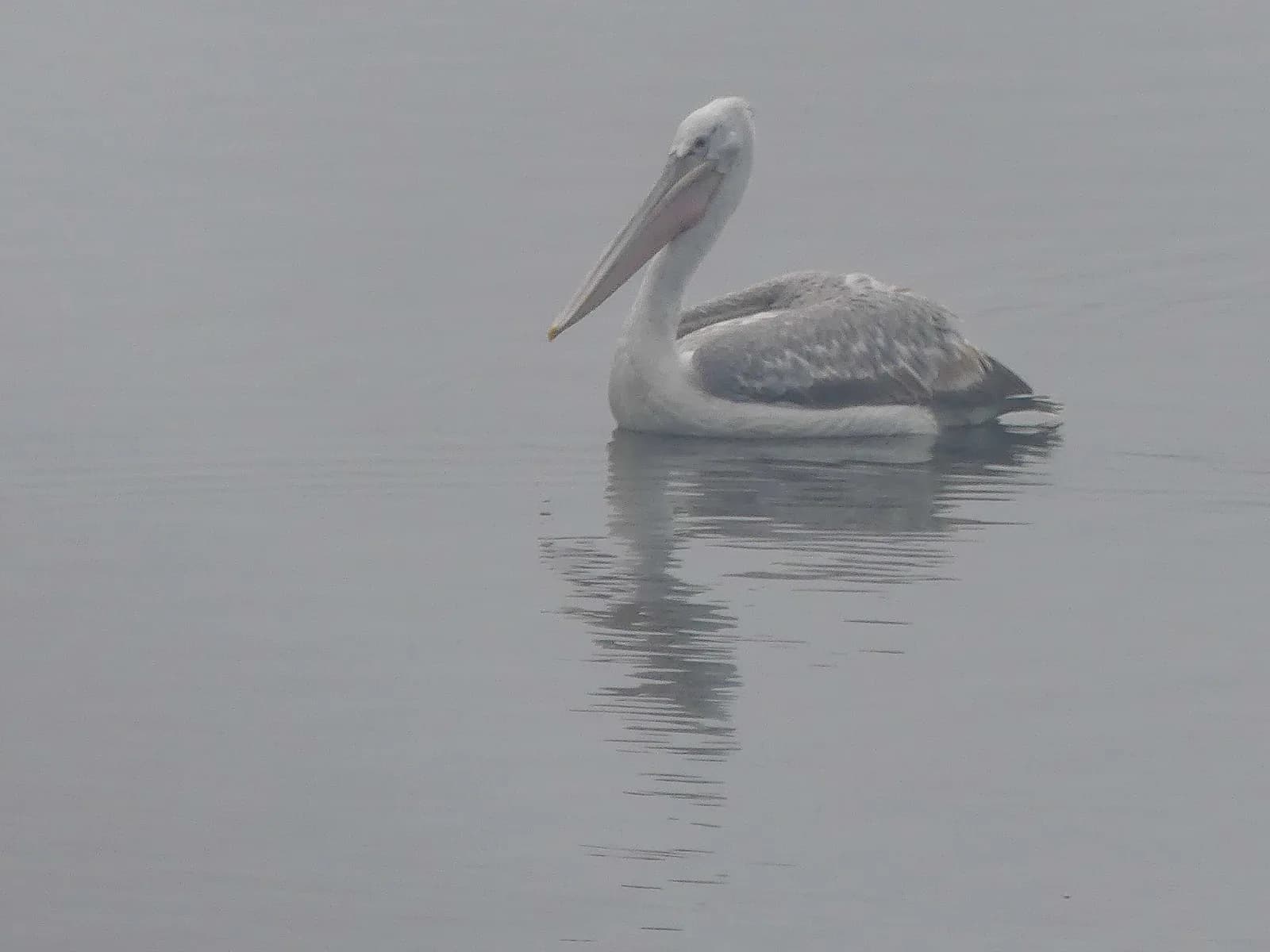
- A wealth of birds. The sanctuary hosts over 165 resident and migratory bird species and winter brings thousands of migratory waterfowl, including bar-headed geese, greater flamingos, Dalmatian pelicans, painted storks, Siberian cranes, Sarus cranes and kingfishers.
- The bear rescue centre. Operated by Wildlife SOS with the Forest Department, the Agra Bear Rescue Facility is the world's largest rehabilitation centre for rescued sloth bears, formerly used as dancing bears.
- Mammals and reptiles. The woodland trails are home to spotted deer, hog deer, nilgai, jackals, rhesus macaques, monitor lizards, freshwater turtles and around 300 Indian rock pythons.
- Watchtowers and trails. You can walk or drive along designated forest tracks to viewpoints like the Darter Watch Tower, which gives panoramic views over the lake and the nesting islands.
Between the lake, the islands and the woodland, the variety here is remarkable for a site so close to a major city. On a good winter morning you might see flamingos and pelicans on the water, deer and nilgai among the trees and a monitor lizard basking on the path, all within a couple of hours.
The reptile life deserves a mention of its own, because the sanctuary is home to around 300 Indian rock pythons, a notable population for a protected wetland. You are unlikely to stumble on one, as they are shy and keep to the undergrowth, but their presence is a mark of a healthy, well-protected ecosystem. Freshwater turtles bask near the water, monitor lizards patrol the trails and the mix of mammals, from spotted and hog deer to nilgai and jackals, means that even on a quiet day for birds there is plenty to see. The woodland trails and the open lakeshore offer different habitats within a short walk, which is part of why the species count here is so high. For families, this variety makes the sanctuary engaging for children, who will spot deer and monkeys even if the finer points of birdwatching pass them by.
Birdwatching at Sur Sarovar
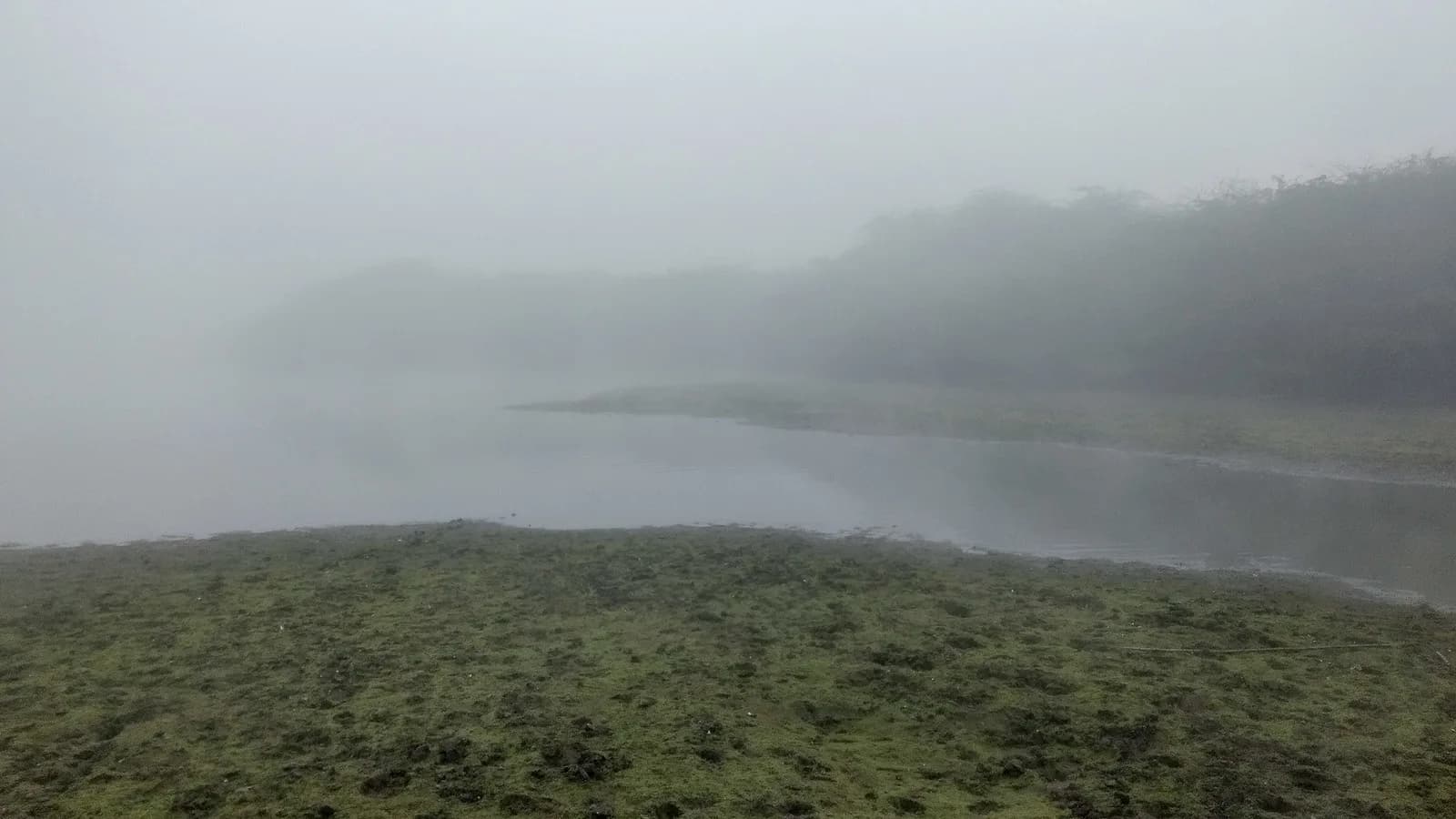
For birdwatchers, Sur Sarovar is one of the finest and most accessible spots in the whole region. The real magic comes in winter, when tens of thousands of migratory birds arrive from Central and North Asia to join the resident species, turning the lake into a crowded, noisy, wonderful spectacle. Bar-headed geese, which fly over the Himalayas to get here, greater flamingos tinting the shallows pink, Dalmatian pelicans, painted storks and cranes all gather on and around the water, while kingfishers flash along the banks. The artificial nesting islands concentrate the birdlife and make for superb viewing and the Darter Watch Tower gives you a panoramic vantage over the lake and the nesting grounds. The best time to be here is right at opening, when bird activity peaks and mist hangs over the water or in the golden light of late afternoon. Bring binoculars and, if you are a photographer, a telephoto lens, because much of the action is out on the islands and the far shore. Move quietly, be patient and the sanctuary rewards you richly. Even casual visitors with no birding experience tend to be struck by the flamingos and pelicans, which are large and easy to spot, so you do not need to be an expert to enjoy a morning here. Local guides and boatmen can often point out the best spots and name the birds you are seeing, which adds a great deal for first-timers.
The Agra Bear Rescue Facility
One of the most moving things at Keetham Lake is the Agra Bear Rescue Facility, operated by the charity Wildlife SOS in collaboration with the Forest Department. This is the world's largest rehabilitation centre for rescued sloth bears and it exists because of a remarkable conservation success. For centuries, sloth bears were captured and cruelly trained as dancing bears for street entertainment and when that practice was ended, hundreds of these animals needed a home. The centre at Keetham gives them lifelong sanctuary and care and a visit is both educational and deeply affecting, a chance to understand the story and see the bears living in peace. Visits to the facility require prior booking through the official Wildlife SOS website and it keeps its own hours, 10 AM to 5:30 PM, with a separate booking and donation rather than a simple gate ticket. If you want to include the bears in your visit, arrange it online in advance, because you cannot simply turn up. For many visitors, especially families and animal lovers, it is the highlight of the whole trip.
The story behind the bears gives the visit its weight. The practice of making sloth bears dance, often after cruel training, went on across India for generations and ending it required not just a ban but somewhere for the rescued animals to go. The centre at Keetham became that place, growing into the largest facility of its kind anywhere in the world. Today the bears live out their lives in large enclosures with proper care and the centre also serves as a place of education, helping visitors understand both the cruelty of the past and the work of conservation that replaced it. A visit is not a zoo experience so much as a window onto a conservation success and it tends to leave a lasting impression, particularly on children. Because access is controlled to protect the animals and keep the sanctuary calm, the advance booking is essential rather than optional, so plan it into your day from the start if the bears are a priority.
Entry fees, permits and timings
Keetham Lake is affordable, but it comes with a few important practicalities. The single most important is that the sanctuary gate is cash only, because digital payments frequently fail or are unavailable there, so carry enough physical currency for your tickets, vehicle and camera. The sanctuary is open from 6 AM to 5:30 PM daily, with the last entry 30 minutes before sunset. Indian nationals pay ₹30 to ₹40 per person, foreign nationals pay ₹350 per person plus the ₹500 Agra Development Authority toll, waived on Fridays and valid the same day at the Taj Mahal and other monuments. Vehicle entry is ₹20 for a two-wheeler and ₹100 for a car and a DSLR or personal camera is ₹500, while mobile photography is free. The bear rescue facility is booked and donated separately, online and is not part of the gate ticket. Plan on 2 to 4 hours for the lake, the trails and the bears. These details are current at the time of writing and worth reconfirming before you travel, since forest-department fees and timings are revised from time to time.
Best time to visit Keetham Lake
The peak season is October to March, when pleasant winter temperatures, between 10 and 25 degrees Celsius, draw tens of thousands of migratory birds from Central and North Asia, making it the premier window for birdwatching and photography. Within the day, arrive right at opening, between 6:30 AM and 9:30 AM, for peak bird activity and misty lake views or visit after 4 PM for golden-hour sunset photography. The middle of the day is quieter for birds and best used for the trails and the bear centre. The off-season, from April to September, is far less rewarding, because the summer months of April to June bring extreme heat exceeding 40 degrees Celsius and the monsoon, from July to September, makes the forest trails muddy and slippery. For the full spectacle of migratory birds, a cool-season early morning is unbeatable and our wider notes on the best time to visit Agra apply closely here.
How to reach Keetham Lake and its location
Keetham Lake lies directly off NH-19, the Agra to Delhi Highway, near the village of Runakta, 20 kilometres from central Agra. It takes 35 to 45 minutes by cab or auto-rickshaw from the city and because it sits right on the Delhi road, it also serves as a convenient stopover when driving in from Delhi via the Yamuna Expressway. By rail, Agra Cantt and Agra Fort railway stations are 20 to 22 kilometres away, with local taxis and autos readily available outside and our guide on how to reach the Taj Mahal and the city covers the main arrival options. The nearest airport is Kheria Airport in Agra, 20 kilometres from the sanctuary. A private car with a driver is the most comfortable way to visit, since it lets you reach the gate, drive to the internal parking and move at your own pace and travellers often add it to an Agra overnight tour from Delhi or a same day Agra tour from Delhi with time built in.
Rules and visitor tips
A few notes will make your visit to the sanctuary far smoother:
- Carry cash. The gate is cash only and digital payments often fail, so bring enough for tickets, vehicle and camera.
- Pack binoculars and a lens. Much of the birdlife is out on the islands and the far shore, so binoculars and a telephoto lens help enormously.
- Beware of monkeys. Rhesus macaques are common near the entrance and parking, so keep your bags zipped and avoid carrying open food packets.
- Bring water and snacks. Food stalls inside are very limited, so come self-sufficient and never feed the wildlife or leave litter.
- Book the bears ahead. If you want to visit the bear rescue centre, arrange it online with Wildlife SOS in advance.
- Go early. Opening time gives you the best birds, the mist on the lake and the coolest, quietest conditions.
What to expect at Keetham Lake
Expect a peaceful nature reserve rather than a manicured park. You arrive off the highway, pay in cash at the gate and enter a landscape of open water, wooded trails and quiet watchtowers. The pentagonal lake stretches out before you, dotted with nesting islands and, in winter, crowded with birds. You can walk or drive the designated tracks to the watchtowers, scan the water for flamingos and pelicans and, with a booking, visit the sloth bears. It is calm, green and refreshingly wild, a complete contrast to the monuments and markets of the city. Facilities are basic, the paths are natural and the pleasure is in the birds, the animals and the setting rather than in comfort or polish. For birdwatchers, families and anyone wanting a break from sightseeing, it is one of the most rewarding half-days in the Agra area and the rare chance to see rescued sloth bears makes it truly special.
Set your expectations for a wild place rather than a resort. There is no cafe of note, no souvenir shopping and no guided commentary unless you arrange it and parts of the trails can be rough or, in the wrong season, muddy. What you get in return is space, quiet and genuine wildlife, which is exactly what is missing from a day among the monuments. The contrast is the whole point and after the intensity of the Taj Mahal and the markets, a slow morning by the water can be the most restorative part of an Agra trip. Come prepared, with cash, water, binoculars and time and the sanctuary gives back far more than its modest ticket price suggests.
Places to visit near Keetham Lake
Keetham Lake sits on NH-19 in the Sikandra and Runakta stretch north of Agra, so it pairs naturally with the monuments and sites along the Delhi road. The great mausoleum of Akbar's Tomb at Sikandra is the obvious pairing, set in its deer-park garden on the same highway. Nearby stands the revered Sikh shrine of Guru ka Taal, also on NH-19, making an easy three-stop northern circuit. When you turn back to the headline sights, the Taj Mahal, the Agra Fort, the riverside Itimad-ud-Daulah and the garden of Mehtab Bagh complete the Agra picture, with Fatehpur Sikri on the Jaipur road. For more ideas on day trips and excursions, see our guide to tourist places near Agra.
Keetham Lake in your Agra itinerary
Keetham Lake fits an Agra itinerary as a refreshing half-day in nature, ideally in the early morning when the birds are at their best. Because it lies on the Delhi highway north of the city, the smartest way to use it is either as a dawn birdwatching trip before the day's monuments or as a stop while driving between Delhi and Agra via the Yamuna Expressway. It pairs beautifully with Akbar's Tomb and Guru ka Taal for a full northern circuit and the bear rescue centre makes it especially good for families. For travellers with a second day in Agra or a love of wildlife, it is a highlight rather than a detour and it shows a side of the region that most monument-focused visitors never see. Our Agra travel guide helps you weave it into a trip that balances the Mughal monuments with the natural world on their doorstep.
Plan your trip with us
If you would like to spend a misty morning among flamingos and pelicans, meet the rescued sloth bears and still see the great monuments, let us arrange the day. A Keetham Lake visit works best with an early start, a comfortable car, enough cash for the gate and a pre-booked bear-centre slot, all of which we handle for you. Our Delhi Agra tours cover the Taj Mahal, the Agra Fort and excursions like this one and travellers short on time often choose a full Golden Triangle tour through Delhi, Agra and Jaipur or an early start with our sunrise Taj Mahal tour. To plan dates, inclusions and a route that gives the sanctuary its due, message Abhay and the team directly on WhatsApp at +91 7302265809 or reach our team online and we will build an Agra trip that pairs the monuments with the magic of the lake.
Related guides
Keep reading before you travel, these pair well with this guide:
Enquire Now
What our travellers say
“Our Golden Triangle honeymoon was flawless. Sunrise at the Taj with a private guide felt like a dream — every detail was handled.”
“As a first-time visitor to India, I felt completely safe and looked after. The driver and guide were superb professionals.”
“Travelling with two kids is hard, but they made it effortless. Great pacing, clean cars and zero surprises on price.”
“Booked the Agra day trip on short notice and it went off without a hitch. The guide's history knowledge made the Taj come alive.”
“Best decision of our India trip. Car was spotless, driver was punctual every single day, and the itinerary never felt rushed.”
“Organised a same-day Agra trip for my parents. Communication before and during the trip was excellent — genuinely stress-free.”
“Sunrise at the Taj Mahal was magical. Our guide spoke great English and answered every question with patience.”
“Three generations travelling together and everyone was comfortable — good vehicle, sensible stops, and no hidden costs.”
“I've used a few tour operators across Asia and this was among the smoothest. Fair pricing and they actually answer the phone.”
“Our custom Rajasthan-Agra combo was planned around our budget without cutting corners on comfort. Highly recommend.”
“Solo female traveller here — I felt safe throughout. The driver was respectful and the whole trip was timed perfectly.”
Ready to Explore
The Magic of Agra?
Experience the Taj Mahal at sunrise, explore the mighty Agra Fort, and discover the hidden gems of India's most beloved heritage city with our expert-guided premium tours.

Agra
Premium Tour Package
Questions
Frequently asked questions
What is Keetham Lake?
Keetham Lake is the popular name for the Sur Sarovar Bird Sanctuary, a protected wetland and Ramsar site off NH-19 near Runakta, 20 kilometres from central Agra. It is built around a man-made pentagonal lake and is famous for over 165 bird species and the world's largest sloth bear rescue centre.
What are the Keetham Lake timings?
What is the Keetham Lake ticket price?
What is the best time to visit Keetham Lake?
What birds can I see at Sur Sarovar Bird Sanctuary?
Can I see the sloth bears at Keetham Lake?
Is Keetham Lake a Ramsar site?
How far is Keetham Lake from Agra?
Why is it called Sur Sarovar?
Is Keetham Lake worth visiting?
Explore more
Plan your Keetham Lake trip with us

Interested in Keetham Lake Agra: Sur Sarovar Bird Sanctuary Guide?
Chat with our travel team for a custom quote, or browse every package.
Related Attractions
9Keetham Lake Agra on the map
Open in Google MapsReady to explore Keetham Lake Agra: Sur Sarovar Bird Sanctuary Guide?
Book your private tour today and experience the magic of India's rich heritage.