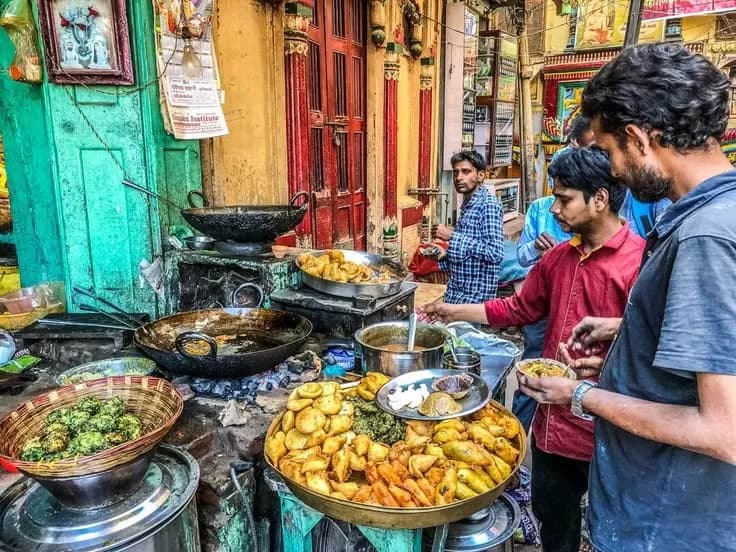
Street Food on the Golden Triangle | Eat Safely
Street Food on the Golden Triangle | Eat Safely image 1
Street Food on the Golden Triangle | Eat Safely image 2
Street Food on the Golden Triangle | Eat Safely image 3
Street Food on the Golden Triangle | Eat Safely image 4

Street Food on the Golden Triangle | Eat Safely

4.8(1247)
2-3 hours
Sunrise / Sunset
Mughal Architecture
Tags:
street-foodgolden-trianglefood-walkdelhi-street-foodagra-sweetsjaipur-foodeat-safelyheritage-culture

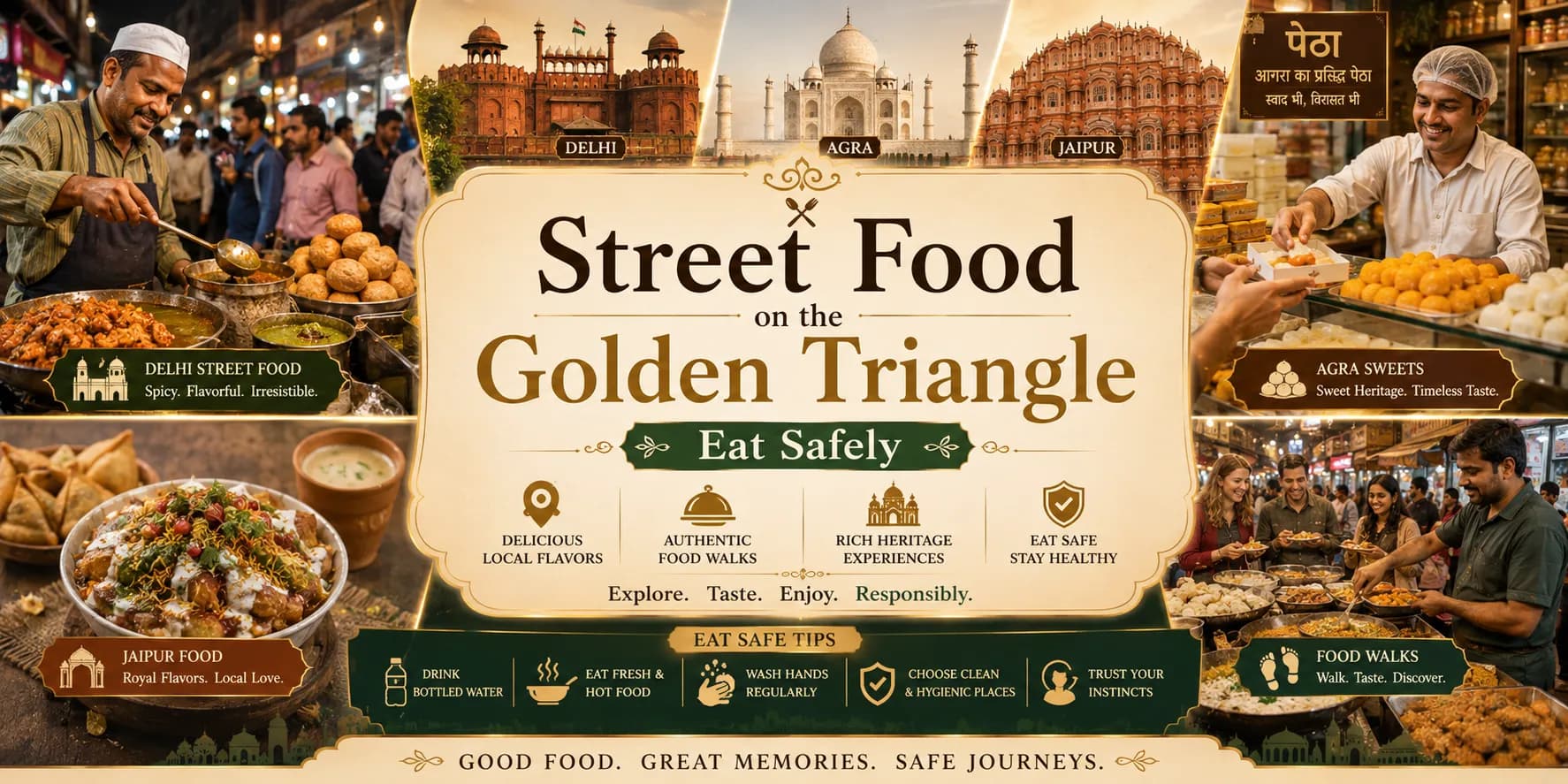
Honest: it is water and ice, not the food, that make travellers sick. Eat everything on the street safely, with the rules the locals live by. From Rs 4,500.

In a Nutshell

Experience My India runs private street-food walks across the Golden Triangle, Old Delhi, Agra's sweet trail and Jaipur's bazaars, from Rs 4,500 per group. Three cities, three distinct cuisines, with a food guide who eats these streets daily and the honest rules that let you eat everything safely: busy stalls, freshly cooked food, and sealed water only, because it is the water and ice, not the food, that make travellers unwell.

Details

Quick facts

FactDetail
What it isPrivate, guided street-food walks in Delhi, Agra and Jaipur, with an eat-there-daily food guide
Price fromRs 4,500 per group for a city food walk [VERIFY]
The one rule that matters mostWater and ice make you sick, not the food; drink sealed or filtered only
The safe stallBusy, high turnover, a queue of locals, freshly cooked in front of you
Three cuisinesDelhi (Mughlai and chaat), Agra (Mughlai and sweets), Jaipur (Rajasthani)
VegetarianMost of India's iconic street food is vegetarian; strict diets are easy here
The guideTakes you to the best stall, not one that pays a commission
SpiceRajasthani food is genuinely fiery; we dial it to your tolerance

How people get street food wrong, and how to get it right

This is the whole page, so we will be blunt about it.

Details

What goes wrong, and the honest rule

What goes wrongThe honest rule
Blaming the food when you fall illIt is almost always the water and ice. Drink sealed or filtered water only, and never take ice of unknown origin
Choosing an empty, "tourist-safe" stallEat where it is busy, with a queue of locals and high turnover; the food never sits
Eating raw, room-temperature itemsChoose hot, just-cooked food; be cautious with cut fruit, salads and chutneys that have been sitting out
Bingeing on arrival dayEase in on day two or three and let your system adjust before the biggest session
Following a guide to a "special" stallWe go to the best stall, not one that pays us a commission
The whole fear of street food rests on a misunderstanding. The busy stall frying your food fresh over high heat is safer than the quiet, tidy-looking cafe where the food sits waiting. Turnover and heat are what keep you well, not the absence of a crowd. Learn that, watch your water, and the streets are yours.

Three cities, three cuisines

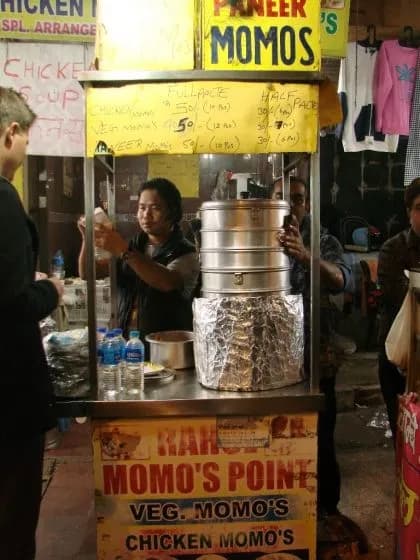
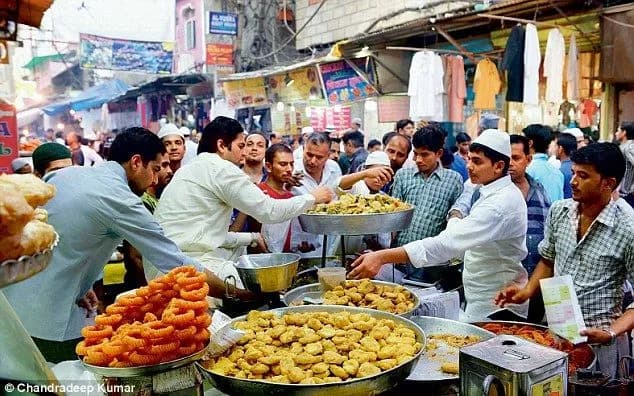
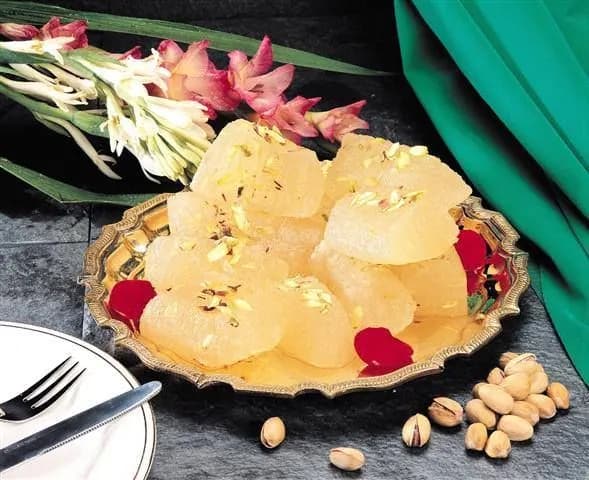
Sold as generic "Indian food," these are three different kitchens, and each does something the others do not: Delhi: Mughlai and chaat. The old city is the heart of it. Chaat in all its forms (gol gappe, aloo tikki, dahi bhalla), the parathas of Paranthe Wali Gali, Mughlai kebabs and korma near Jama Masjid, chole bhature, and jalebi with rabri. This is where India's street food is at its most varied. Agra: Mughlai and sweets. Beyond the Taj, Agra is a sweet city: petha, its famous translucent ash-gourd sweet in a dozen flavours, dalmoth, the spiced snack mix, and a proper breakfast of bedai and jalebi, alongside its own Mughlai tradition. Jaipur: Rajasthani, and fiery. Pyaaz kachori and mirchi bada, dal baati churma, ghewar and the famous thick lassi, and a full Rajasthani thali. The flavours are bolder and hotter than Delhi's, and the sweets are a craft of their own. Eating all three across a Golden Triangle trip is a genuine journey through north Indian food, not a repetition of the same plate.

Eating the streets safely, in full

This is the method, expanded, and it is the real value of a guided walk: Water is the enemy, not the food. Most traveller illness comes from water and ice, so drink only sealed or filtered water, skip ice you cannot vouch for, and you remove most of the risk before you eat a thing. We carry safe water on the walk. Busy and freshly cooked beats quiet and tidy. A stall with a local queue turns its food over fast and cooks it hot in front of you. That is your best signal, better than any "hygienic" appearance. Hot over raw, cooked over cut. A just-fried kachori or a griddle-hot chaat is low risk; pre-cut fruit, raw salads and room-temperature chutneys are the items to be careful with. Ease in. We schedule the big food walk for day two or three, not the jet-lagged first hour, so your system has a moment to adjust. The guide is your filter. A food guide who eats these streets every day knows which stall fried fresh this morning and which did not, which is knowledge no guidebook can give you. Follow this and you do not need to avoid street food. You eat it the way locals do, which is the entire point of coming.

We go to the best stall, not the paying one

A quiet honesty point, because it shapes what you eat. Many "food tours" have arrangements with the places they visit, so you are walked to the vendor who pays the guide, not the one who cooks best. We do not work that way. Our food guide is paid by us, takes nothing from any stall, and is free to take you to the genuinely best gol gappe on the lane rather than the one with a commission deal. On a food walk, that is the difference between a real crawl and a sales route.

Your food walks, city by city

Delhi: the Old Delhi food walk (about 3 hours). A guided crawl through the lanes around Chandni Chowk and Jama Masjid: chaat and gol gappe, the parathas of Paranthe Wali Gali, Mughlai kebabs, a stop for jalebi and rabri, and the stories of who has been cooking each dish for generations. Best in the late morning or early evening, and scheduled for day two of a trip, not day one. Agra: the sweet and Mughlai trail (about 2 hours). Timed around the Taj so it does not compete with your sunrise visit: the petha shops and their flavours, dalmoth, a bedai-and-jalebi breakfast if the timing suits, and Agra's Mughlai kitchens. A shorter, sweeter walk than Delhi's. Jaipur: the bazaar tasting and a cooking class (about 4 hours). A walk through the walled-city bazaars for pyaaz kachori, mirchi bada, ghewar and a famous thick lassi, followed by an optional hands-on Rajasthani cooking class with a local family, so you take a recipe home. The boldest, hottest food of the three, dialled to your tolerance. Any of these can be added to a Golden Triangle trip on its own, or all three combined into a food-led circuit.

Fine print

What is included

Included

  • A private, guided street-food walk with a food guide who eats these streets daily
  • Every tasting on the walk, at the vendors we choose for quality, not commission
  • Safe drinking water throughout the walk
  • Honest guidance on what to eat, what to be careful with, and how to spot a safe stall
  • Transfers to and from the walk by private car
  • Dietary tailoring: vegetarian, vegan, Jain and spice level all handled

Excluded

  • Hotels, monuments and intercity transport, unless combined with a Golden Triangle trip
  • The optional Jaipur cooking class unless added
  • Meals outside the walk itself
  • Alcohol, which is rarely part of a street-food walk
  • Tips, which are welcome but never a substitute for the fair wage we pay our guide
  • Any pretence that the hotel restaurant is the best food, which is excluded on principle

Pricing

Per group, not per person, because a walk is a walk whether you are two or four. The tastings are included; you never pay a stall a marked-up price to cover our fee. [VERIFY the fees.]
WalkFrom (per group)Notes
Old Delhi food walkRs 4,500 [VERIFY]About 3 hours, all tastings included
Agra sweet and Mughlai trailRs 3,500 [VERIFY]About 2 hours, timed around the Taj
Jaipur bazaar tastingRs 4,500 [VERIFY]About 4 hours; add a cooking class from Rs [OWNER]
For a food-led Golden Triangle that strings all three together with hotels and transport, we quote the full trip to your dates. We would rather charge a clear walk fee than take a hidden cut from the vendors, which is exactly how most food tours are funded.

Our promise

Why choose Experience My India for street food

1
We take you to the best stall, not the paying one, because our guide is paid by us and takes no vendor commission.
2
We teach you to eat safely, with real rules, so you can eat everything rather than retreat to a buffet.
3
We treat the three cities as three cuisines, not one generic plate.
4
We handle diets properly, vegetarian, vegan, Jain and spice level, because India's street food is built for it.
5
We pace the walk sensibly, on day two or three, so your system is ready.
6
We are honest about risk, no promise of zero upset, just the rules that make it very unlikely.
7
[OWNER: add one verifiable credential, for example a named food guide, a food-safety training, or a cooking-class partner, only if real]

Honest note

This is NOT for you if

  • You will only eat in restaurants and hotels. The whole point here is the street; if that is not for you, take a standard tour and skip this.
  • You expect a guarantee of zero stomach upset. No honest guide can promise that. We make it very unlikely; we do not pretend it is impossible.
  • You have a severe, unmanaged allergy and want street settings certified allergen-free. We plan carefully, but a street stall cannot guarantee that; tell us the severity so we can adapt or advise.
  • You cannot handle any spice and will not let us adjust. Rajasthani food especially is fiery; we can dial it, but some heat comes with the authenticity.

Preparation

Before you go

🎒Packing List

  1. 1.Come hungry and pace yourself; a walk fails when you fill up on the first stall.
  2. 2.Drink only sealed or filtered water and skip unknown ice; it is the single biggest thing you can do.
  3. 3.Tell us your diet and real spice tolerance before the walk; it shapes every stop.
  4. 4.Do the big walk on day two or three, not straight off a long-haul flight.
  5. 5.Carry small notes for anything you want to buy to take away, like petha or sweets.
  6. 6.Watch it being cooked; hot and fresh in front of you is your best guide.

Enquire Now

Premium Experience

Ready to Explore
Incredible India?

Explore the rich heritage, stunning monuments, and vibrant culture of India with our expert-guided premium tours.
A
B
C
D
2,500+
4.9
Flexible itinerariesPrivate guidesBest price guarantee
Premium Tour Package
Featured Destination

India

Premium Tour Package

Premium

Questions

FAQ

6/6 visible

Is street food on the Golden Triangle safe to eat?

Yes, eaten the local way. The key fact is that water and ice cause most traveller illness, not the food, so drink only sealed or filtered water and skip unknown ice. Then eat where it is busy and freshly cooked, choose hot over raw, and ease in over the first day or two. A guide who eats these streets daily is your best filter.

Will I get sick from eating street food?

Is there enough vegetarian street food?

How spicy is the food, and can it be adjusted?

What should I eat in each city?

Do you take a commission from the stalls?

Eat the Golden Triangle, all of it

Private street-food walks from Rs 4,500 per group: three cities and three cuisines, a guide who eats these streets daily and takes no vendor commission, and the honest rules that let you eat everything safely.

Explore more

Related pages

Plan Your Trip

Interested in Street Food on the Golden Triangle | Eat Safely?

Chat with our travel team for a custom quote, or browse every package.

Related Attractions

3
3 related attractions
Premium Experience

Ready to explore Street Food on the Golden Triangle | Eat Safely?

Book your private tour today and experience the magic of India's rich heritage.

Explore Tours
Verified GuideBest Price2,500+ Happy Travelers
Call us