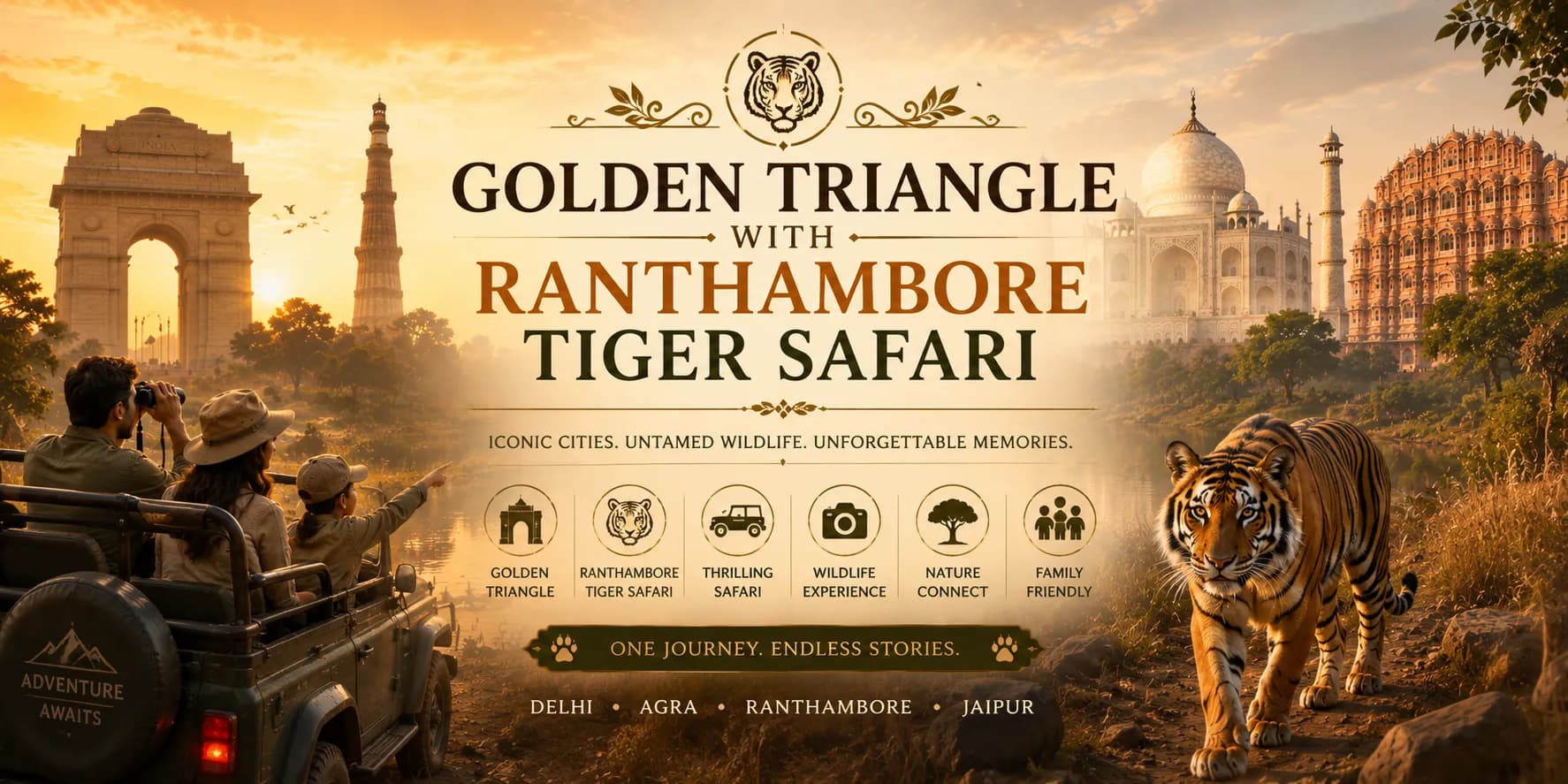
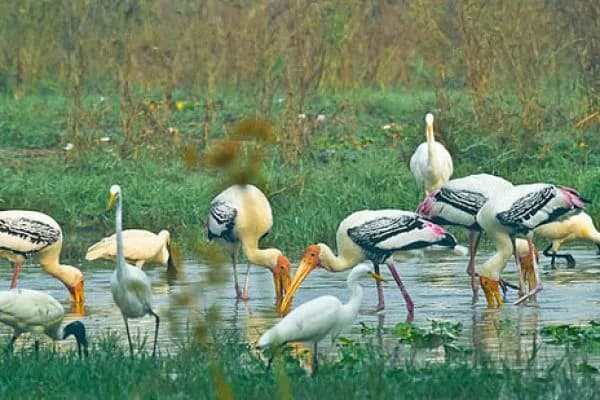
Wildlife-Focused Golden Triangle | Experience My India
Four ecosystems, four big-cat and river safaris. Honest: your best leopard odds are inside Jaipur city, and nobody promises a tiger. From Rs 80,000 pp.
In a Nutshell
“Experience My India runs the maximalist version of this trip, from Rs 80,000 per person (8day, 4 star, twin sharing): the Delhi, Agra and Jaipur circuit rebuilt so the wildlife is the itinerary and the monuments fit around it. Four distinct ecosystems, four kinds of safari, and one fact that should change how you plan: the Golden Triangle is a far better wildlife route than anyone sells you, and the best leopard odds in India sit inside Jaipur city.”
At a glance
Quick facts
Price from
Rs 80,000 per person (8-day, 4 star, twin sharing), permits extra
The four habitats
River (Chambal), wetland (Keoladeo), dry forest (Ranthambore), Aravalli hills (Jhalana)
Best big-cat odds
Leopard at Jhalana, not tiger at Ranthambore. Neither is ever promised
Jhalana
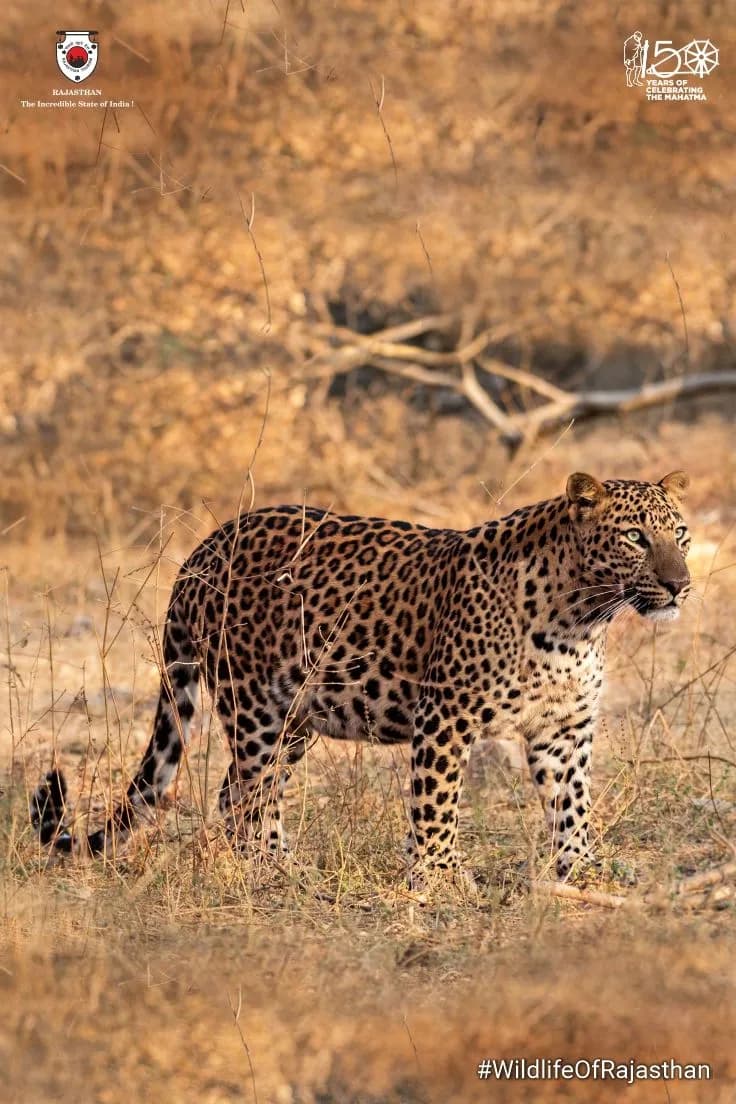
India's first leopard reserve, ~5 km from Jaipur airport, opened to visitors Dec 2016
Why Jhalana works
Its leopards are diurnal: apex predator, no competition, confident in daylight
Ranthambore
October to June. Zones allotted at random. Permits non-refundable
Keoladeo
55 km from Agra on the Jaipur road. Over 370 species
Chambal
Gharial and Gangetic river dolphin
Amber Fort
Jeep ascent, never the elephant, on welfare grounds
The rule, first: nothing is promised
| Where | What | Realistic odds | The honest note |
|---|---|---|---|
| Jhalana, Jaipur | Leopard | The best on this circuit | Its leopards are diurnal and confident because nothing competes with them. Around 30 to 40 leopards in roughly 20 to 23 sq km |
| Keoladeo, Bharatpur | Birds | Effectively certain in season | Over 370 species. The one place that always delivers |
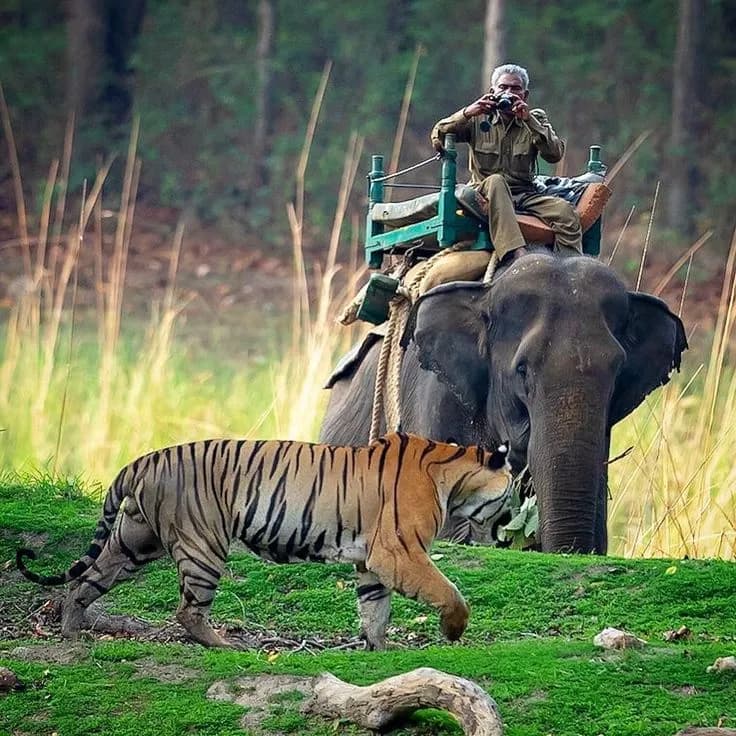
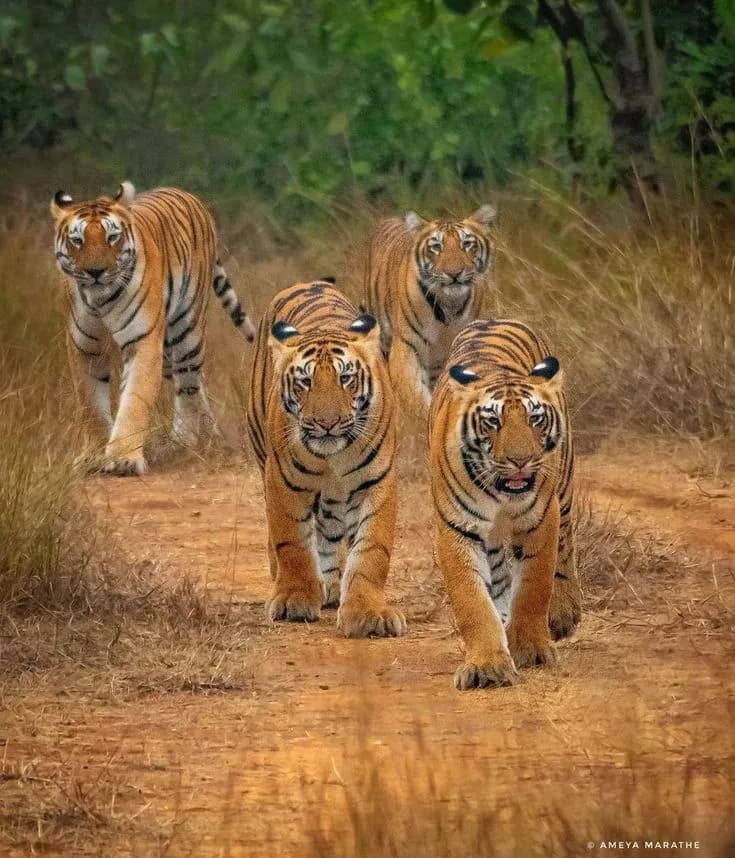
| Ranthambore | Tiger | A real chance, never more | Ten zones, allotted at random. Two safaris beat one. March to May is most active |
| Chambal | Gharial, dolphin | Good for gharial, harder for dolphin | A river, not a park. Quiet, empty, and unlike anything else on the circuit |
The Jhalana finding
The other three
A circuit of former hunting grounds
Day by day
Day by day itinerary (8 days)
Arrival, then Old and New Delhi: Jama Masjid, Chandni Chowk, Humayun's Tomb, Qutub Minar. Overnight Delhi.
Fine print
What is included
Included
- Accommodation, 4 or 5 star per tier, twin sharing (7 nights)
- Private air-conditioned car with an experienced driver throughout
- Airport pickup and drop
- Daily breakfast
- Yellow-plate cycle-rickshaw with a trained spotter at Keoladeo, both sessions
- Booking and coordination of all safaris and permits, at the parks' fixed rates
- Monument entry at each traveller's correct rate, pre-booked to skip queues
- Licensed local guides in Delhi, Agra and Jaipur
- The jeep ascent at Amber
- All tolls, parking, fuel, driver allowance
- 5 percent GST
Excluded
- Safari permits and park entry, which are excluded and charged at the parks' fixed rates
- Chambal boat charges
- Lunches and dinners
- The Rs 200 Taj mausoleum inner-chamber ticket unless requested
- Binoculars and camera fees
- Tips
- Travel insurance (take one, given non-refundable permits)
- Any promise of a sighting, which is excluded because it cannot honestly be sold
Transparent pricing
| Tier | 8-day | Foreign national |
|---|---|---|
| 4 star | Rs 80,000 | Rs 82,700 |
| 5 star | Rs 120,000 | Rs 122,700 |
Our promise
Why choose Experience My India for the wildlife-focused trip
Honest note
The wildlife-focused trip is NOT for you if
- You want an assured big cat. Nobody can promise you a tiger or a leopard. We stack the odds; the animal decides.
- You are here mainly for the monuments. This itinerary subordinates them. Take the 5-day circuit instead and add one safari.
- You have fewer than 7 days. Four habitats need the days. A rushed version is a worse trip than a shorter honest one.
- You need refundable permits. Ranthambore's are non-refundable and non-transferable once issued. That is the park's rule.
- You want the elephant ride at Amber. We do not offer it, on welfare grounds. The jeep does the climb.
Preparation
Before you go
🎒Packing List
- 1.Send passport and ID details early; permits need every visitor's name, age and ID, and foreign nationals must use a passport.
- 2.Book as far ahead as you can, up to 90 days for Ranthambore; only 6 jeeps and 6 canters enter a zone per shift.
- 3.Bring binoculars and a long lens. Jhalana and Chambal both reward them.
- 4.Wear muted colours, khaki, olive or brown, and warm layers for winter dawns in open vehicles.
- 5.Take travel insurance, because the permits will not refund you.
- 6.Cancellation follows our house slabs: 80 percent refunded more than 30 days out, 50 percent at 7 to 30 days, none under 7 days. Park permits are non-refundable once issued regardless and are disclosed separately.
Enquire Now
Ready to Explore
Incredible India?
Explore the rich heritage, stunning monuments, and vibrant culture of India with our expert-guided premium tours.
India
Premium Tour Package
Questions
Frequently asked questions
Is the Golden Triangle good for wildlife?
Much better than it is sold as. Within the circuit and its immediate edges you have four distinct habitats: the Chambal river with gharial and Gangetic dolphins near Agra, the Keoladeo wetland at Bharatpur with over 370 bird species, Ranthambore's dry forest with tigers, and Jhalana's Aravalli hills inside Jaipur with leopards. Most operators sell the monuments and bolt on one Ranthambore safari, which leaves most of it unused.
Where are the best leopard sightings near Jaipur?
Are you more likely to see a leopard at Jhalana or a tiger at Ranthambore?
What wildlife can you see on the Chambal river near Agra?
How many days do you need for a wildlife-focused Golden Triangle?
Is the Taj Mahal closed on any day?
Four habitats, one road
Explore more
Related pages
Interested in Wildlife-Focused Golden Triangle | Experience My India?
Chat with our travel team for a custom quote, or browse every package.
Related Attractions
5Ready to explore Wildlife-Focused Golden Triangle | Experience My India?
Book your private tour today and experience the magic of India's rich heritage.