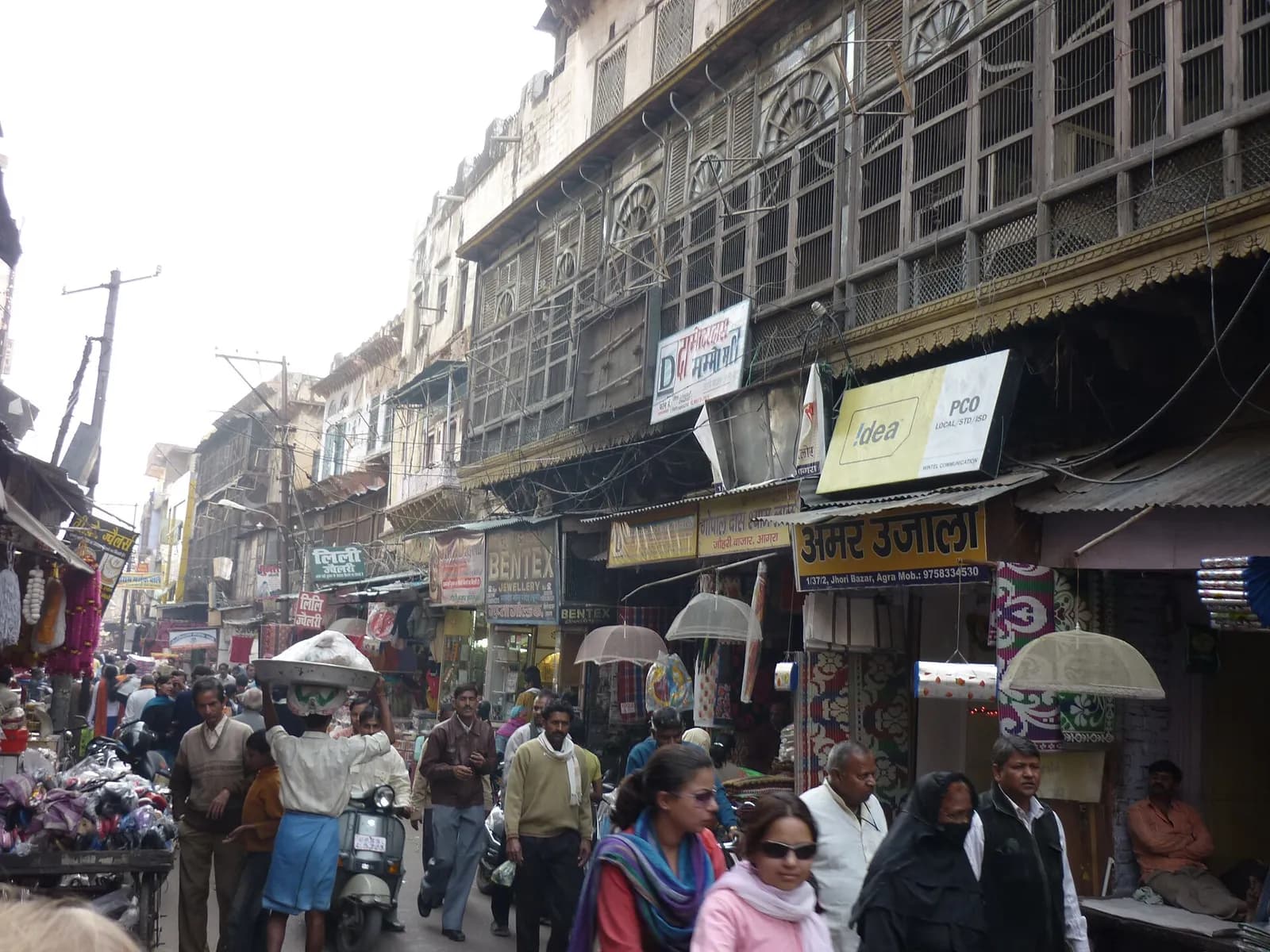
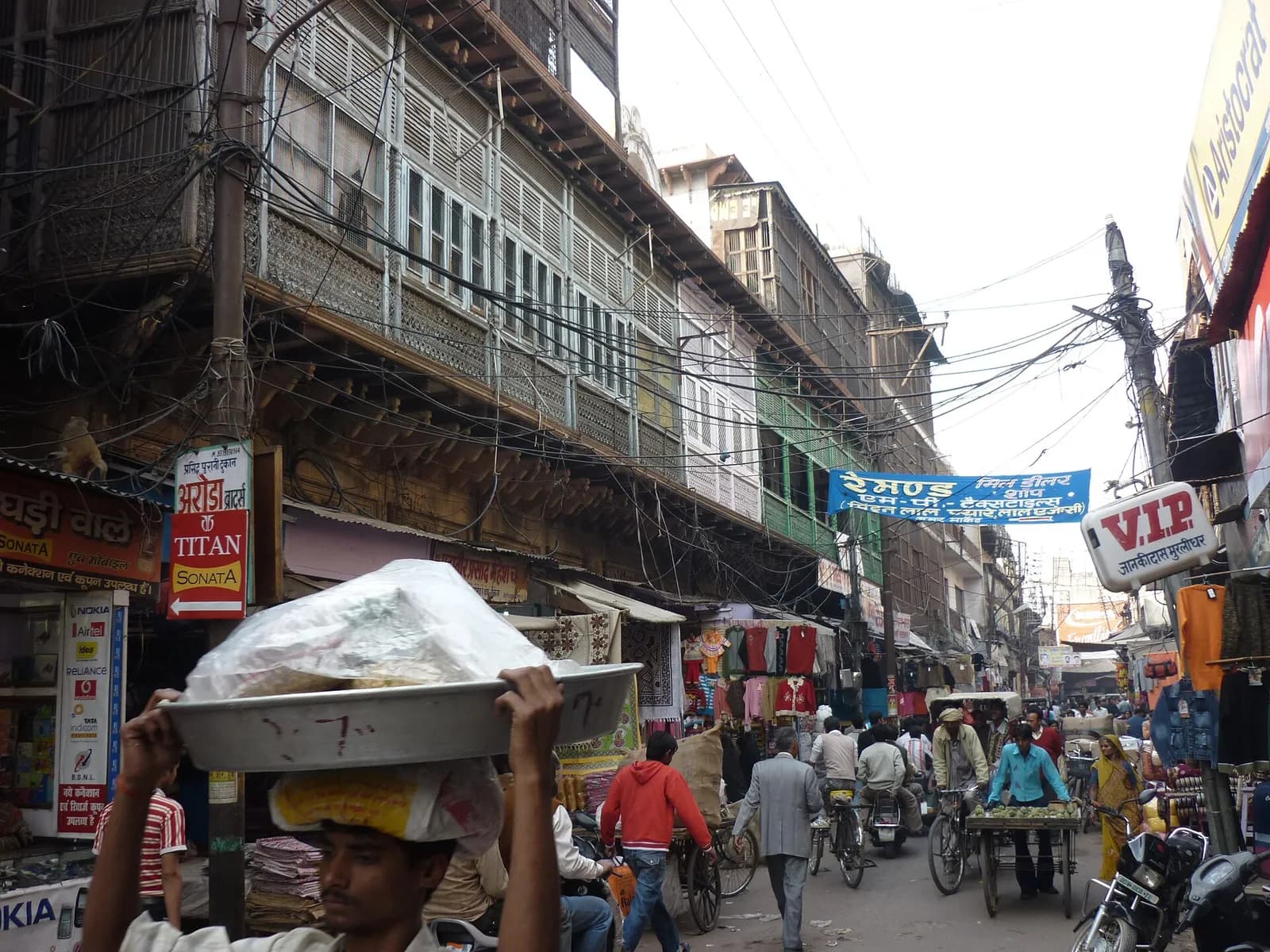
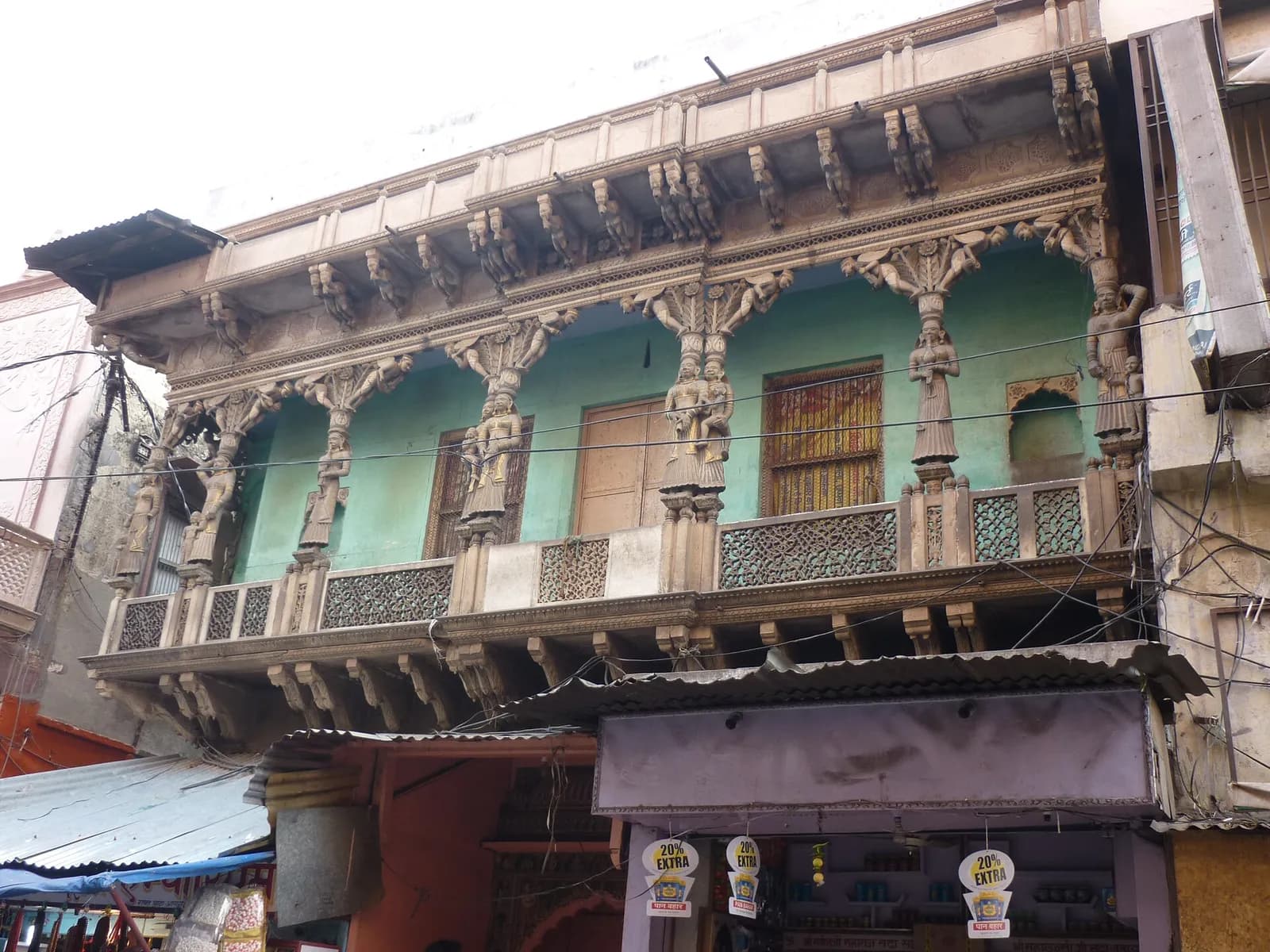
 Old city, near Jama Masjid, Agra
Kinari Bazaar Agra: Shopping, Timings and Street Food
Visiting Kinari Bazaar in Old Agra for wedding finery, handicrafts and street food? Here are the timings, closed day, what to buy and how to reach it.
Quick answer
Kinari Bazaar is Agra's oldest and most vibrant wholesale and retail market, in the Old City directly behind the Jama Masjid and just west of the Agra Fort. A Mughal-era labyrinth of narrow lanes, it is the city's hub for wedding finery, kinari trimmings, marble handicrafts, leather and street food. Most shops open from 10:30 AM, it is closed on Tuesdays, entry is free and it features on our Agra tours, run by a unit of Experience My India.
- #kinari-bazaar
- #agra
- #agra-attractions
- #agra-travel
Kinari Bazaar is the beating heart of old Agra, a maze of narrow lanes behind the Jama Masjid where bridal silks, glittering trimmings, bangles and marble handicrafts spill from hundreds of tiny shops and the smell of frying kachori drifts through the crowds. For a traveller, it is the most atmospheric shopping in the city and a window into real Agra life. Our team at Delhi Agra Tour Packages often guides guests through it and it pairs perfectly with the old-city monuments on a Golden Triangle tour through Delhi, Agra and Jaipur.
I am Abhay Sharma, a Golden Triangle guide since 2015 and I love walking visitors through Kinari Bazaar. It gives you the famous kinari trimmings that name the market, wholesale wedding finery, marble inlay souvenirs, Agra leather juttis and the old-city street food of Seth Gali and Rawatpara, all right beside the Jama Masjid and the Agra Fort. This guide covers everything you need, the timings and the Tuesday closure, what to buy lane by lane, the street food, how to bargain and avoid touts and how to reach it. Note that this is the Kinari Bazaar in Agra, not the one in Chandni Chowk, Delhi.
Kinari Bazaar at a glance
| Detail | Information |
|---|---|
| What it is | Agra's oldest wholesale and retail market |
| Named after | Kinari, the gold and silver bridal border trimmings |
| Location | Old City, behind the Jama Masjid, west of the Agra Fort |
| Famous for | Wedding finery, trimmings, marble handicrafts, street food |
| Open | 10:30 AM to 8 PM or 9 PM |
| Closed | Tuesdays |
| Entry | Free |
| Time needed | 1.5 to 2 hours |
Kinari Bazaar timings
| Detail | Information |
|---|---|
| Most shops | 10:30 AM to 8 PM or 9 PM |
| Early food stalls | From 7:30 AM |
| Closed day | Tuesdays |
| Best hours | 11 AM to 1 PM or 5:30 PM to 8 PM |
Because Kinari Bazaar is an organic cluster of hundreds of independent wholesale and retail shops rather than a single gated complex, hours vary a little by vendor. Most shops open between 10:30 AM and 11 AM and stay open until 8 PM or 9 PM, while early morning food stalls near the market entrances open as early as 7:30 AM for breakfast. The main market is traditionally closed on Tuesdays, though some surrounding lanes and food stalls stay open, so plan your visit between Wednesday and Sunday for the full experience. These timings are current at the time of writing and vary by shop, so treat them as a guide.
What to buy at a glance
| Category | Highlights |
|---|---|
| Bridal and ethnic wear | Lehengas, silk sarees, sherwanis, zardozi work |
| Trimmings | Kinari borders, gota-patti, tassels, laces |
| Jewellery and bangles | Glass and lac bangles, imitation sets, hallmarked gold |
| Marble and handicrafts | Taj replicas, inlay tabletops, brassware, wooden boxes |
| Leather | Juttis, sandals, belts, bags |
How to reach Kinari Bazaar
| Detail | Information |
|---|---|
| Cars | Cannot enter the narrow lanes |
| Drop point | Jama Masjid or Bijli Ghar Crossing, then walk in |
| Nearest metro | Agra Fort Metro Station |
| From Agra Fort | A short walk or cycle-rickshaw ride |
What is Kinari Bazaar?
Kinari Bazaar is Agra's oldest and most vibrant wholesale and retail market, located in the historic Old City directly behind the Jama Masjid and just west of the Agra Fort. It is named after kinari, the traditional gold and silver border trimmings sewn onto bridal wear and this Mughal-era labyrinth of narrow lanes is the city's primary hub for wedding finery, handicrafts, marble inlay work and authentic street food. It is not a tidy, modern shopping centre but a dense, centuries-old network of tiny specialist shops, each lane given over to a particular trade and walking it is an experience in itself, part shopping trip and part street theatre. For visitors, it is the place to buy real Agra handicrafts and souvenirs at local prices, to taste old-city street food and to feel the living, working heart of the city as it has beaten for centuries.
Several things make Kinari Bazaar special:
- Agra's oldest market. A Mughal-era bazaar of narrow lanes, it is the historic trading heart of the old city.
- Lane-by-lane specialities. Each gali focuses on a trade, from bridal wear to bangles to marble, which makes browsing easy once you know the layout.
- The namesake trimmings. Kinari, the gold and silver bridal borders and gota-patti work are the market's signature, sold here by the roll.
- Great street food. The market and its neighbours, Seth Gali and Rawatpara, are a paradise of bedai, chaat, kachori and petha.
- Beside the monuments. It sits right behind the Jama Masjid and west of the Agra Fort, so it slots into old-city sightseeing.
The history packed into the name is part of the appeal. Kinari refers to the fine gold and silver border trimmings traditionally sewn onto bridal and festive clothing and the fact that an entire market is named for them tells you how central the wedding and textile trade has always been here. Agra has been a great commercial city since Mughal times and Kinari Bazaar is where that mercantile heritage still lives, in lanes that have traded the same goods for generations. Walking it, you are not just shopping but moving through a piece of living history, where the trades, the family shops and even the rhythm of the day have changed remarkably little. For a visitor more used to Agra's imperial monuments, this everyday, working heritage is a revelation and it rounds out the picture of the city as a place people have always lived and worked in, not just a backdrop of marble tombs.
Kinari Bazaar timings and when to go
The single most important thing to know is that Kinari Bazaar is traditionally closed on Tuesdays. Unlike Sadar Bazaar in the Cantonment, which stays open all week, the main lanes here take their weekly rest on Tuesday, though some surrounding lanes and food stalls do stay open. For the full experience, plan your visit between Wednesday and Sunday. Within the open days, most shops run from 10:30 AM or 11 AM until 8 PM or 9 PM, with early food stalls firing up by 7:30 AM for breakfast. There are two sweet spots in the day. Come between 11 AM and 1 PM for quieter lanes, better daylight for inspecting fabrics and stonework and easier navigation through the crowds. Come between 5:30 PM and 8 PM if you want the bustling, illuminated evening atmosphere and the evening chaat stalls in full swing. The cool season from October to March is far more comfortable for walking the crowded, un-air-conditioned alleys and the same cool-season advice that suits the monuments suits the bazaar.
What to buy, lane by lane
Kinari Bazaar is divided into specialised alleys, each catering to a particular trade, which is part of what makes it so fascinating. Here is what to look for:
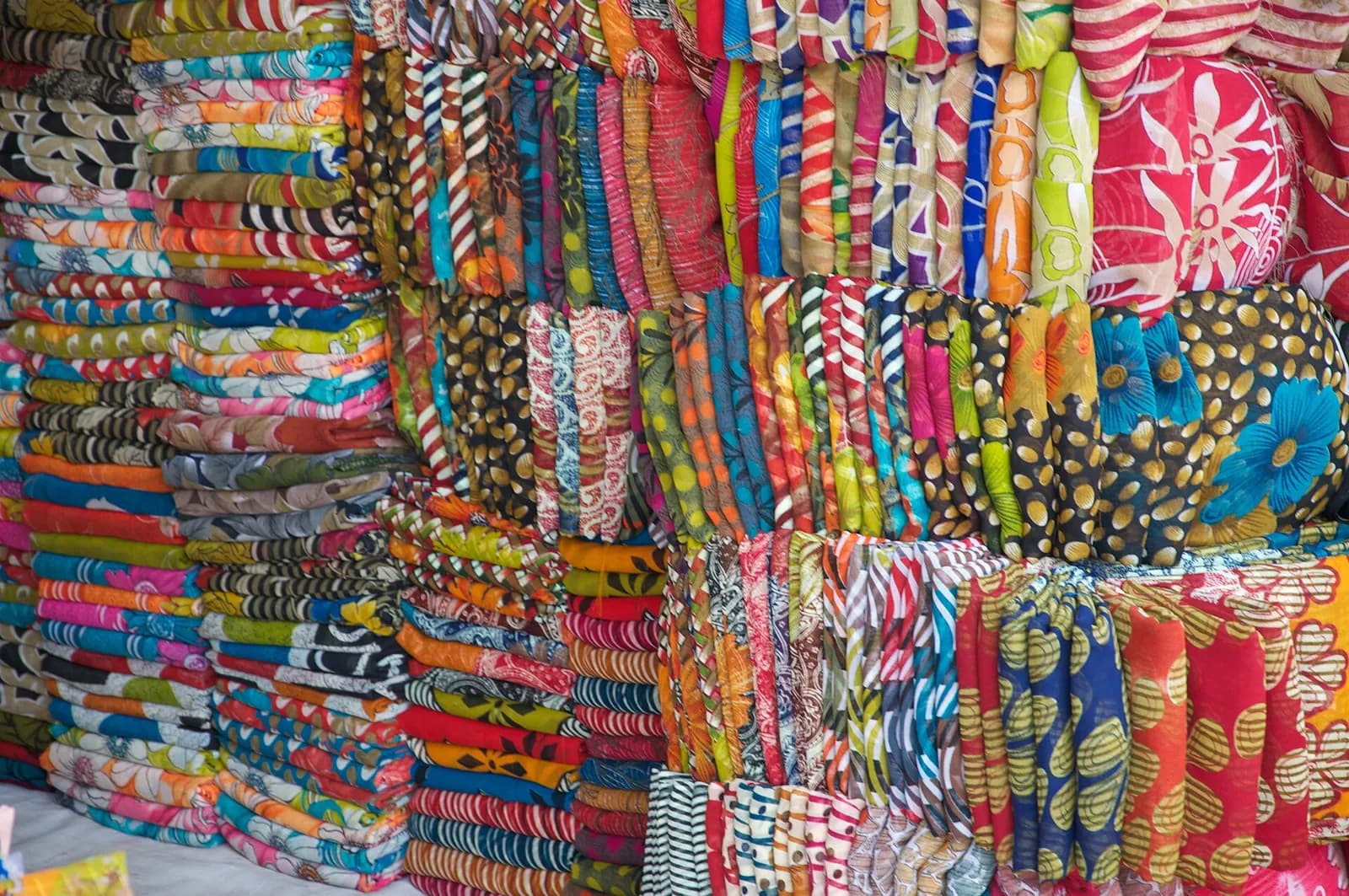
- Bridal and ethnic wear. Find heavily embroidered lehengas, silk sarees, sherwanis, velvet shawls and zardozi, the metallic thread work, much of it at wholesale rates.
- Gota-patti and kinari trimmings. Browse endless rolls of sequined borders, tassels, laces and wedding decorations, the very trimmings that give the bazaar its name.
- Jewellery and bangles. Explore lanes stacked with colourful glass and lac bangles, imitation bridal sets and traditional hallmarked gold and silver jewellery.
- Marble and handicrafts. Shop for miniature Taj Mahal replicas, pietra dura marble inlay tabletops, coasters, brassware and carved wooden boxes.
- Leather goods. Agra is a major leather manufacturing hub and stalls here sell handcrafted juttis, the traditional embroidered footwear, along with sandals, belts and bags at local prices.
- Lohaar Gali. A famous, ultra-narrow historic alley within the bazaar, specialising in wholesale bangles, cosmetics, household plasticware and everyday accessories.
Because so much of the market is wholesale, prices can be very good, especially if you are buying in any quantity and the choice of bridal and festive goods in particular is extraordinary. Even if you are not shopping for a wedding, a roll of gota trimming, a set of lac bangles or a small marble box makes a lovely, authentic souvenir.
The lane-by-lane layout is worth understanding, because it turns what could be an overwhelming maze into something navigable. Each gali or alley, tends to concentrate on one trade, so the bangle sellers cluster together, the trimming merchants fill another lane and the marble and handicraft shops occupy their own stretch. Once you grasp this, you can head straight for what you want rather than wandering at random and the specialisation also means fierce competition and keen prices within each lane. Ask a shopkeeper where to find a particular item and they will usually point you to the right gali, since the trades are well known to each other. For first-time visitors, this structure is the key to shopping Kinari Bazaar with confidence and it is one reason a short guided walk can be so useful, turning a bewildering tangle of lanes into an efficient, enjoyable circuit.
Street food and food lanes
Exploring Kinari Bazaar and its adjoining food alleys, especially Seth Gali and Rawatpara, is a highlight for food lovers. These are the dishes to seek out and the best times to eat them:
- Bedai and jalebi. Crispy, deep-fried puffed bread stuffed with spiced lentils, served with tangy potato curry and hot, syrupy jalebi, best in the morning from 8 AM to 11 AM.
- Agra petha. Agra's signature translucent sweet made from ash gourd, available plain or in kesar, angoori and paan flavours, good at any time of day.
- Dalmoth. A crunchy, spicy namkeen of fried lentils, nuts and aromatic spices, ideal for taking home, available all day.
- Agra chaat and bhalla. Mashed potato patties fried crisp on a huge griddle and topped with chickpeas, yoghurt and tamarind chutney, best in the evening from 5 PM to 8:30 PM.
- Kachori and samosa. Flaky pastry pockets stuffed with spiced lentils or potatoes, served hot with green and tamarind chutneys, good morning or evening.
The food here is as much a reason to come as the shopping and our guides to the famous foods of Agra and the best places to eat in Agra will help you plan a proper old-city food walk.
A word on how to eat your way through the old city. The trick is to start early for the breakfast specialities and return in the evening for the chaat, because the two sit at opposite ends of the day. A morning plate of bedai with hot jalebi, eaten standing at a stall as the market wakes up, is one of Agra's great simple pleasures, while an evening of aloo bhalla and crisp chaat, as the lanes light up, is another. In between, petha and dalmoth are on sale all day, perfect for stocking up on gifts. Stick to the busy stalls where the food is cooked fresh in front of you, favour hot items and carry small cash, since the old-city vendors rarely take cards. Eating here is cheap, delicious and completely authentic and for many visitors the food of Kinari Bazaar and its neighbouring lanes is the single most memorable taste of Agra.
Nearby landmarks to combine
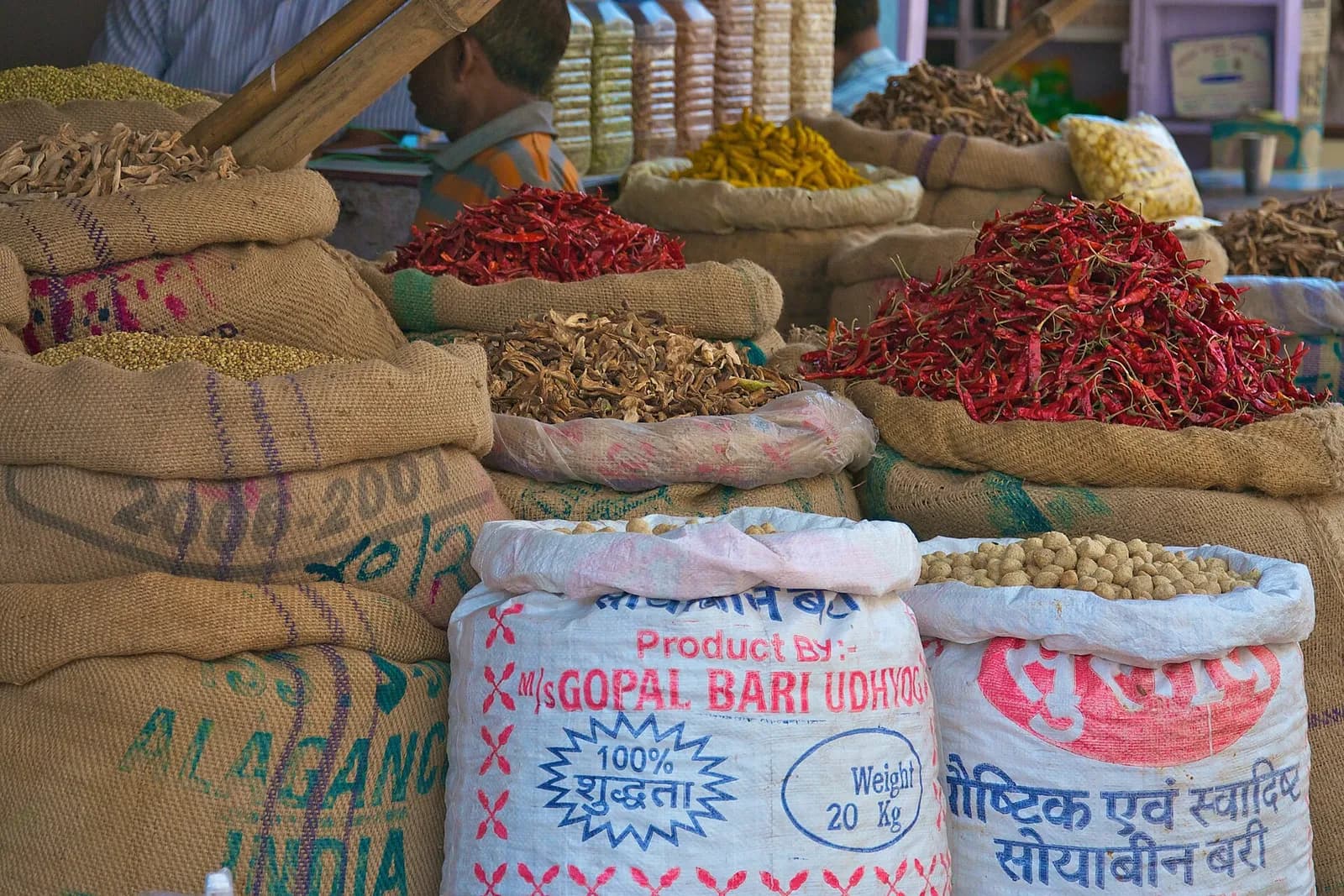
Because Kinari Bazaar sits at the heart of old Agra, you can easily pair your walk with neighbouring historic sites, which is what makes it such an efficient and rewarding stop. The grand Jama Masjid, the 17th-century mosque built by Jahanara Begum, daughter of Shah Jahan, stands right at the entrance of the bazaar. Directly adjacent is the aromatic Rawatpara spice market, selling whole spices, dried fruits, herbs and traditional sweets, well worth a wander for the scents alone. Within easy walking distance in the Rawatpara area is the ancient and revered Mankameshwar Temple, one of Agra's oldest Shiva temples. And the mighty Agra Fort is just a short walk or cycle-rickshaw ride east of the market, which makes the classic plan simple: see the fort in the morning and walk into the bazaar afterwards. Together these turn a shopping trip into a full morning or evening of old-city exploring.
This clustering is what makes the old city such rewarding ground for a half-day on foot. Within a few hundred metres you can step from a grand imperial mosque into a spice market thick with the smell of cardamom and dried chillies, browse the trimmings and bangles of the bazaar, pause at an ancient Shiva temple and finish at one of India's great forts, all without a vehicle. Few places in Agra pack so much variety into such a small area and the short distances mean you can go at a relaxed pace, lingering where you like. A sensible plan is to tackle the monuments when they open and are cooler, then dissolve into the bazaar and its food lanes as the day warms or the evening draws in. However you order it, treating Kinari Bazaar as the hub of an old-city circuit, rather than an isolated errand, gives you the richest and most efficient experience.
Bargaining, touts and payment tips
Shopping Kinari Bazaar well takes a little know-how and these rules will serve you:
- Bargain on handicrafts and textiles. Bargaining is expected for retail purchases of handicrafts, textiles and imitation jewellery, so start by offering 30 to 40 percent less than the first quote and negotiate politely.
- Know the fixed prices. Food and branded sweets are sold at fixed prices, so there is no bargaining there.
- Avoid commission touts. Explore independently or with a verified heritage walking tour and politely decline unsolicited guides or rickshaw drivers who offer to take you to specific marble or jewellery factories, as they often add heavy commissions to your bill.
- Carry small cash. Many small street stalls and older shops do not accept cards or digital payments, so carry cash in small denominations.
- Wear the right shoes. Flat, closed-toe shoes are best, as the narrow lanes are uneven, crowded and shared with scooters, cycle-rickshaws and the occasional stray cow.
What to expect at Kinari Bazaar
Expect an intense, crowded, thrilling sensory experience rather than a relaxed stroll. The lanes are narrow and packed, shopfronts are stacked floor to ceiling with colourful goods and you share the space with porters, handcarts, scooters, cycle-rickshaws and sometimes a wandering cow. It is loud, close and chaotic in the best way, a genuine working bazaar that has run like this for centuries. Shopkeepers are keen and will call you in, which is all part of the experience and a polite smile and no work perfectly well. The upside of the intensity is authenticity and value: this is where Agra actually shops and the prices and variety reflect that. Go with a relaxed attitude, comfortable shoes and some small cash, keep your bag in front of you in the crowds and give yourself an hour or two to wander without a fixed plan. For many visitors it is the most memorable, photogenic and human part of their time in Agra, a complete and welcome contrast to the hush of the monuments.
It is also a place to manage expectations honestly. The lanes are not built for tourists, so there are no wide walkways, no air conditioning and few places to sit and at peak times the crush can be considerable. If you are uneasy in dense crowds or have mobility difficulties, the late morning on a quieter day is far more comfortable than a weekend evening. Pickpocketing is not a major problem but ordinary care with your belongings is sensible in any crowd. The commission touts, who attach themselves to foreign visitors and steer them to overpriced factory showrooms, are the main annoyance and a firm, polite refusal handles them. None of this should deter you, because the rewards far outweigh the minor hassles, but going in with clear expectations means you will enjoy the bazaar for what it is, a genuine, unvarnished, centuries-old Indian market, rather than wishing it were something tidier.
Best time to visit Kinari Bazaar
The best season is October to March, when the weather is cool enough to enjoy the crowded, un-air-conditioned alleys, since the summer months make the tight lanes hot and tiring. Within the day, there are two good windows. The late morning, from 11 AM to 1 PM, is quieter and better lit, which makes it ideal for inspecting fabrics, checking marble inlay and navigating the lanes without the heaviest crowds. The early evening, from 5:30 PM to 8 PM, is when the market is at its most alive, lit up and bustling, with the evening chaat stalls in full swing, so it is the time to come for the atmosphere rather than careful shopping. Avoid Tuesdays, when the main market is closed. If you want to shop seriously, choose the late morning on a Wednesday to Friday; if you want the experience and the food, come in the evening. Either way, set aside 1.5 to 2 hours for a thorough walk with shopping and snack stops. If you are combining the bazaar with the Agra Fort and the Jama Masjid, allow a half-day in total, since the old city rewards an unhurried pace and you will not want to rush the food. Serious shoppers buying wedding goods or trimmings in quantity should come earlier and allow longer, as the choice is vast and comparing lanes takes time, while those who simply want a taste of the market and its street food can see the highlights in an hour. Whatever your plan, building in a little slack lets you enjoy the bazaar's atmosphere rather than racing through it.
How to reach Kinari Bazaar and its location
Kinari Bazaar is in the Old City, directly behind the Jama Masjid and just west of the Agra Fort and the first thing to know is that cars cannot enter its narrow lanes. The way to arrive is to take an auto-rickshaw, e-rickshaw or an app-based cab to the Jama Masjid or the Bijli Ghar Crossing and walk into the bazaar from there. If you are using the Agra Metro, the nearest station is the Agra Fort Metro Station, a short e-rickshaw ride away and our guide to the Agra Metro covers the network. Because it sits right beside the Agra Fort, the easiest plan is to combine the two on foot or by cycle-rickshaw. The market is central and well known, so any driver will know the Jama Masjid drop point and from there it is a short walk into the lanes. Travellers often fold the old-city bazaars into an Agra overnight tour from Delhi or a same day Agra tour from Delhi with a little time set aside.
Kinari Bazaar or Sadar Bazaar?
Agra has two famous markets and travellers often ask which to visit, so it helps to know the difference. Kinari Bazaar is the old-city wholesale market, a dense Mughal-era maze behind the Jama Masjid, strongest for wedding finery, kinari trimmings, bangles and marble handicrafts, closed on Tuesdays and best for atmosphere and authentic bargain shopping. Sadar Bazaar, in the Cantonment near the Agra Cantt station, is a more open evening market, strongest for leather goods, branded petha and street food, open seven days a week and a little easier to navigate. If you want the real old-city experience and wholesale prices, come to Kinari Bazaar; if you want a relaxed evening of leather shopping and food, Sadar Bazaar is the pick. Many visitors with time enjoy both, since they offer quite different moods and together they cover everything Agra is known for buying, from wedding silks to leather shoes to boxes of petha. For the headline sights around them, the Taj Mahal, the eastern-bank Itimad-ud-Daulah and the garden of Mehtab Bagh across the river are never far.
Kinari Bazaar in your Agra itinerary
Kinari Bazaar fits an Agra itinerary best as part of an old-city morning or evening, paired with the Jama Masjid and the Agra Fort. The classic plan is to see the Agra Fort first, then walk west into the bazaar and the Jama Masjid, browsing the lanes and grazing the food stalls of Seth Gali and Rawatpara. On a Golden Triangle trip through Delhi, Agra and Jaipur, where Agra is often a single day, this old-city cluster makes an efficient and atmospheric half-day that contrasts beautifully with the marble monuments. For shoppers, it is where to buy the city's handicrafts and wedding goods; for food lovers, it is the best street-food walk in Agra; and for everyone, it is the most vivid slice of local life in the city. Remember to avoid Tuesdays, when the main market closes and give yourself a relaxed couple of hours. Our Agra travel guide helps you fit it all together and with a full day the deserted Mughal capital of Fatehpur Sikri on the Jaipur road is the natural extension of an Agra trip.
Plan your trip with us
If you would like to explore Kinari Bazaar properly, finding the right lanes for trimmings, marble or leather, tasting the best old-city street food and avoiding the commission touts, let us help. A guided old-city walk turns a potentially overwhelming maze into a rich, easy morning and we can pair it with the Jama Masjid and the Agra Fort. Our Delhi Agra tours cover the Taj Mahal, the Agra Fort and the markets and food of the old city and travellers short on time often choose a full Golden Triangle tour through Delhi, Agra and Jaipur or an early start with our sunrise Taj Mahal tour and the bazaar later. To plan dates and a route with time for Kinari Bazaar, message Abhay and the team directly on WhatsApp at +91 7302265809 or reach our team online and we will make sure you see the real, living Agra as well as its monuments.
Related guides
Keep reading before you travel, these pair well with this guide:
Enquire Now
What our travellers say
“Our Golden Triangle honeymoon was flawless. Sunrise at the Taj with a private guide felt like a dream — every detail was handled.”
“As a first-time visitor to India, I felt completely safe and looked after. The driver and guide were superb professionals.”
“Travelling with two kids is hard, but they made it effortless. Great pacing, clean cars and zero surprises on price.”
“Booked the Agra day trip on short notice and it went off without a hitch. The guide's history knowledge made the Taj come alive.”
“Best decision of our India trip. Car was spotless, driver was punctual every single day, and the itinerary never felt rushed.”
“Organised a same-day Agra trip for my parents. Communication before and during the trip was excellent — genuinely stress-free.”
“Sunrise at the Taj Mahal was magical. Our guide spoke great English and answered every question with patience.”
“Three generations travelling together and everyone was comfortable — good vehicle, sensible stops, and no hidden costs.”
“I've used a few tour operators across Asia and this was among the smoothest. Fair pricing and they actually answer the phone.”
“Our custom Rajasthan-Agra combo was planned around our budget without cutting corners on comfort. Highly recommend.”
“Solo female traveller here — I felt safe throughout. The driver was respectful and the whole trip was timed perfectly.”
Ready to Explore
The Magic of Agra?
Experience the Taj Mahal at sunrise, explore the mighty Agra Fort, and discover the hidden gems of India's most beloved heritage city with our expert-guided premium tours.

Agra
Premium Tour Package
Questions
Frequently asked questions
What is Kinari Bazaar in Agra famous for?
Kinari Bazaar is Agra's oldest market, famous for wedding finery, the kinari and gota-patti trimmings that give it its name, bangles, marble inlay handicrafts, leather juttis and old-city street food. It is a Mughal-era maze of narrow lanes behind the Jama Masjid.
What are the Kinari Bazaar timings?
Which day is Kinari Bazaar closed?
What should I buy at Kinari Bazaar?
What is Lohaar Gali in Kinari Bazaar?
What street food should I try at Kinari Bazaar?
How do I reach Kinari Bazaar?
How far is Kinari Bazaar from the Agra Fort and Taj Mahal?
Is bargaining expected at Kinari Bazaar?
Is Kinari Bazaar worth visiting?
Explore more
Plan your Kinari Bazaar trip with us

Interested in Kinari Bazaar Agra: Shopping, Timings and Street Food?
Chat with our travel team for a custom quote, or browse every package.
Related Attractions
9Kinari Bazaar Agra on the map
Open in Google MapsReady to explore Kinari Bazaar Agra: Shopping, Timings and Street Food?
Book your private tour today and experience the magic of India's rich heritage.