
 Inside the Taj Mahal complex, Agra
Taj Museum Agra: Timings, Tickets and What to See
Visiting the Taj Museum inside the Taj Mahal complex in Agra? Here are its timings, tickets, the galleries and artifacts to see and how to fit it in.
Quick answer
The Taj Museum is a small museum inside the Taj Mahal complex in Agra, housed in the Western Jal Mahal building and established in 1982. It holds over 120 rare Mughal-era artifacts, including original architectural drawings of the Taj, miniature portraits of Shah Jahan and Mumtaz Mahal and celadon plates said to detect poison. It opens 10 AM to 5 PM, is free with a Taj Mahal ticket and it features on our Agra tours, run by a unit of Experience My India.
- #taj-museum
- #agra
- #agra-attractions
- #agra-travel
The Taj Museum is the part of the Taj Mahal that most visitors walk straight past, a quiet gallery tucked into the complex that holds the monument's own story in drawings, documents and treasures. For anyone who wants to understand how the Taj was designed and built, half an hour here adds enormously to the visit. Our team at Delhi Agra Tour Packages points it out to curious guests and it costs nothing extra on a Golden Triangle tour through Delhi, Agra and Jaipur, since it is included with your Taj ticket.
I am Abhay Sharma, a Golden Triangle guide since 2015 and I always nudge interested guests toward this little museum. The Taj Museum gives you the original architectural plans of the Taj Mahal, the royal decree ordering marble from Makrana, ivory portraits of the emperor and his queen and the famous poison-detecting plates, all inside the complex and free with your ticket. This guide covers everything you need, the timings and tickets, exactly what to see in each gallery, the rules and how to fit it into your Taj visit. Note that this is the museum inside the Taj Mahal in Agra, not the museum at the Taj hotel in Mumbai.
Taj Museum at a glance
| Detail | Information |
|---|---|
| What it is | A museum of Taj Mahal history and Mughal artifacts |
| Location | Western Jal Mahal, inside the Taj Mahal complex |
| Established | 1982 |
| Holdings | Over 120 rare items across a hall and three galleries |
| Open | 10 AM to 5 PM |
| Closed | Fridays, with the main Taj Mahal |
| Entry | Free with a Taj Mahal ticket |
| Time needed | 30 to 45 minutes |
Taj Museum timings
| Detail | Information |
|---|---|
| Opening hours | 10 AM to 5 PM |
| Closed on | Fridays, along with the main Taj Mahal |
| Time needed | 30 to 45 minutes |
The Taj Museum is open from 10 AM to 5 PM and, like the main Taj Mahal, it is closed on Fridays, so plan your visit for any other day of the week. Because it sits inside the complex, its hours fall within the monument's own opening times and you simply step in during your visit. Plan on 30 to 45 minutes to see the hall and the three galleries without rushing, a little longer if you read every label. These timings are current at the time of writing and can change, so reconfirm before a special visit, especially around public holidays.
Entry fee
| Visitor | Entry fee |
|---|---|
| With a valid Taj Mahal ticket | Free, no separate ticket |
| Indian citizens, standalone | ₹20 |
| Children under 15 | Free |
| Foreign nationals, standalone | ₹750 |
There is no separate ticket needed for the Taj Museum if you already hold a valid Taj Mahal entry ticket, so for almost every visitor it is effectively free. The standalone entry fees, where they apply, are ₹20 for Indian citizens, free for children under 15 and ₹750 for foreign nationals. Since you need a Taj Mahal ticket to be inside the complex in the first place, the museum is best thought of as a free bonus that is already included with your visit, with nothing more to pay at its door. These fees are current at the time of writing and are revised periodically, so reconfirm on the day.
How to reach the Taj Museum
| Detail | Information |
|---|---|
| Within the complex | Western Jal Mahal, also called the Naubat Khana |
| Position | Along the western wall, near the west gate exit |
| Access | On foot, inside the Taj Mahal grounds |
| Best route | After the main mausoleum and gardens |
What is the Taj Museum?
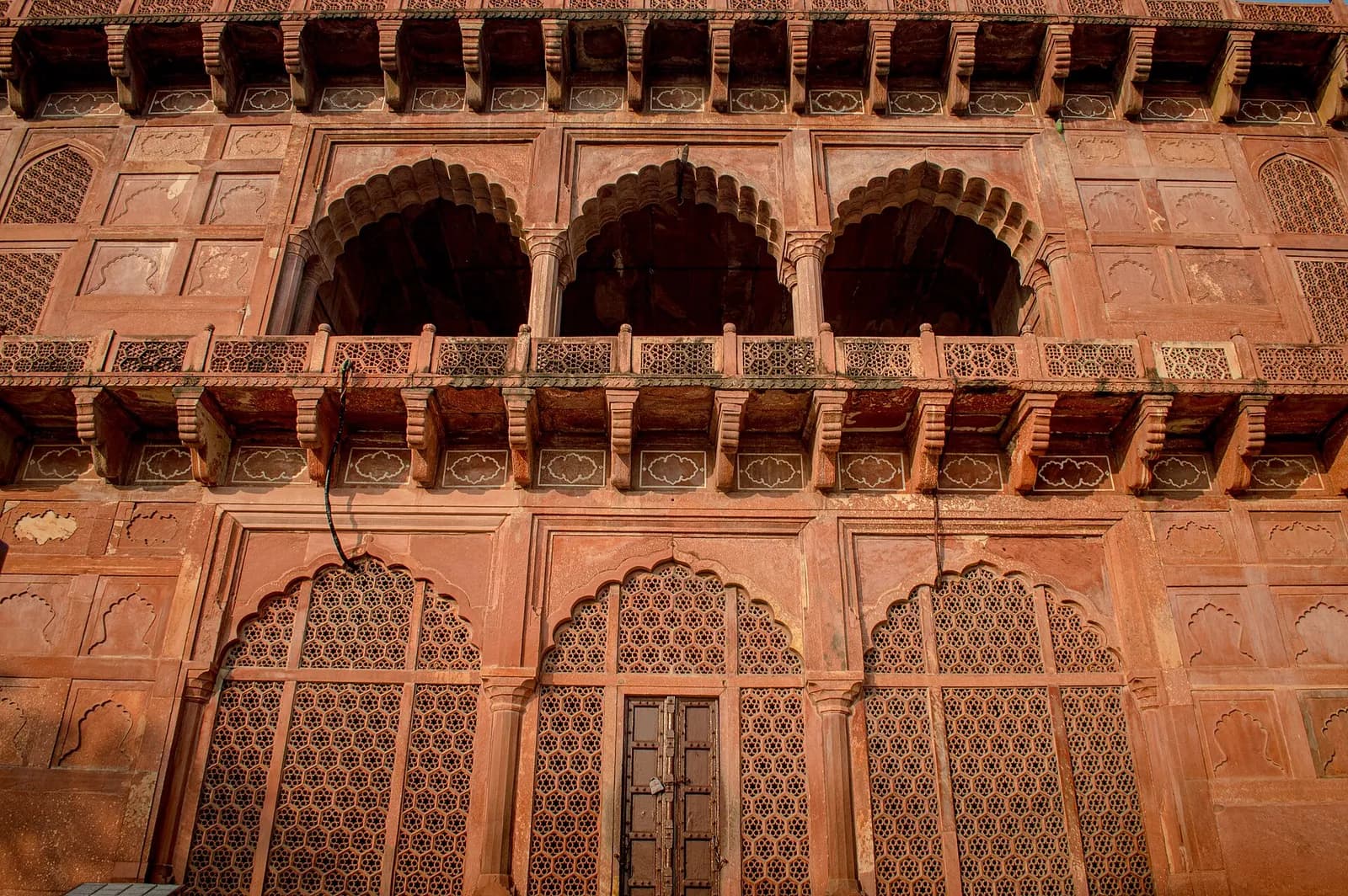
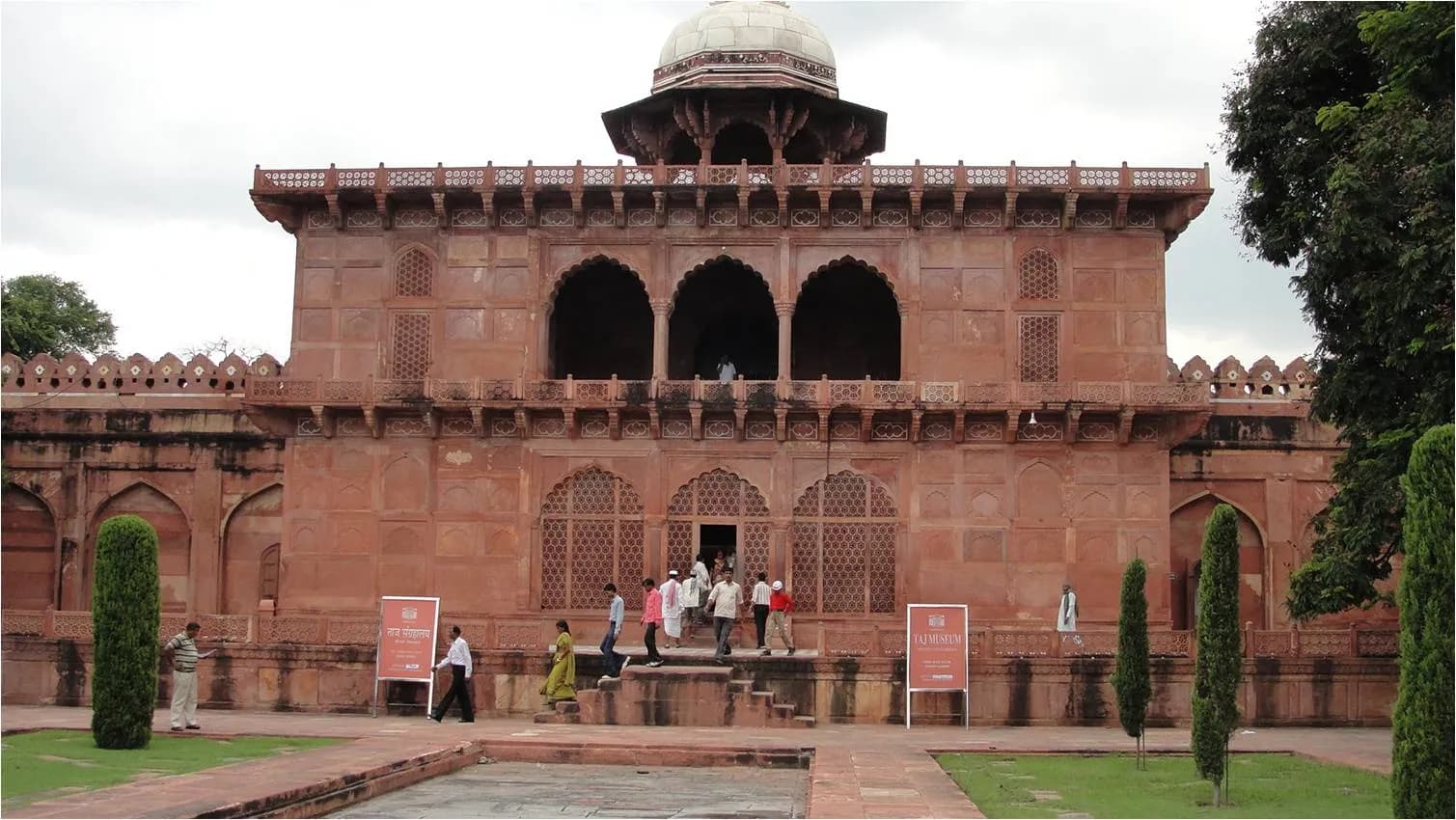
The Taj Museum is a museum inside the Taj Mahal complex in Agra, located in the Western Jal Mahal building, also known as the Naubat Khana, along the western side of the monument's grounds. It preserves rare Mughal-era artifacts, architectural drawings and historical documents tied directly to the Taj Mahal, making it the single best place to understand how the world's most famous monument came to be. Though small, with over 120 items across a main hall and three thematic galleries, it is a treasure house of detail, from the original plans of the Taj to portraits of the royal couple it was built for. Most visitors to the Taj never step inside, which means that for those who do, it offers a quiet, uncrowded and genuinely illuminating half-hour.
Several things make the Taj Museum worth your time:
- The Taj's own story. It holds the architectural plans, decrees and documents that tell how the Taj Mahal was designed and built.
- Free with your ticket. No separate ticket is needed if you already hold a Taj Mahal entry ticket.
- Rare Mughal treasures. Over 120 items, including coins, miniatures, calligraphy and inlay stone specimens.
- A quiet escape. Tucked along the western wall, it is calm and uncrowded compared with the mausoleum.
- Quick and rewarding. In 30 to 45 minutes it deepens your understanding of everything else you see at the Taj.
It is worth being clear about what the museum is and is not, because the word museum can mislead. This is not a vast institution like a national gallery and you should not expect halls of grand exhibits or hours of material. It is a focused, specialist collection, compact enough to see in under an hour, whose value lies entirely in its connection to the monument around it. Think of it less as a separate attraction and more as the explanatory heart of the Taj Mahal, the place where the building's design, materials and history are laid out for anyone willing to look. Approached that way, with curiosity rather than an expectation of scale, it rarely disappoints. Travellers who skip it often do so simply because they do not know it is there, which is a shame, because it is one of the few parts of the complex that answers the questions the monument itself raises.
History of the Taj Museum
The museum's own history runs almost as deep as the care taken over the monument it sits within.
- A viceroy's idea. The museum was first conceived in 1906 under Lord Curzon, the British viceroy known for his restoration work at the Taj Mahal.
- Established in 1982. The museum as it exists today was formally established in 1982, gathering the monument's documents and artifacts into one place.
- Housed in the Jal Mahal. It occupies the Western Jal Mahal, a historic building within the complex, repurposed to display the Taj's own heritage.
- A record of the monument. Its collection was assembled to preserve the drawings, decrees and relics connected with the design, construction and history of the Taj Mahal.
This background matters because it explains the museum's unusual focus. Rather than a general collection, it is dedicated almost entirely to the Taj Mahal itself, which is why its plans, decrees and artifacts speak so directly to what you see outside. Lord Curzon's early vision and the later formal establishment in 1982 reflect a long effort to protect not just the monument but the knowledge of how it was made. Housed in a Mughal-era building on the grounds, the museum is itself a piece of the complex, giving the collection a fitting home.
The Jal Mahal building that houses the museum is worth a moment's attention in its own right. The name translates roughly as water palace and these pavilions on the western side of the complex were part of the original Mughal layout rather than later additions, so the walls around the exhibits are themselves a few centuries old. Using a historic structure within the grounds, rather than building something new outside, keeps the museum in sympathy with the monument and spares the complex any jarring modern intrusion. It also means that a visit to the museum lets you step inside a part of the Taj complex that many visitors never enter, adding a little extra to the experience. The result is a collection that feels rooted in its place, the story of the Taj told inside the Taj itself, which is part of why even a short visit resonates.
What to see inside: the galleries
The museum is divided into a main hall and three thematic galleries, together holding over 120 rare items. Each has its own focus and knowing what to look for makes the visit far richer.
Main hall
The main hall displays gold and silver coins minted in Agra and Akbarnagar during the reigns of Akbar, Jahangir and Shah Jahan, a tangible link to the Mughal emperors behind the Taj. Holding the idea of coins struck in Agra itself, in the very era the Taj was built, brings the period close in a way the monument's scale sometimes does not. Its most talked-about exhibits are the celadon plates, which were believed to change colour or crack if poisoned food was served on them, a fascinating glimpse into the fears and precautions of the Mughal court, where intrigue and the threat of poisoning were real concerns for an emperor.
Gallery 1: Construction and architecture
The first gallery is the one every Taj lover should linger in. It features original architectural plans, site layouts and historical blueprints of the Taj Mahal, letting you see how the monument was designed on paper. It also displays royal decrees, the Farmans, issued by Shah Jahan to Raja Jai Singh requesting the marble from Makrana that clads the Taj, along with examples of Mughal arms and armour. For many visitors this gallery is a revelation, because it shows that the Taj was not conjured by magic but planned, commissioned and supplied through a working imperial administration, with drawings orders and logistics behind every arch and dome. Standing before the plans, then stepping back outside to see them realised in marble, is one of the most satisfying contrasts the whole complex offers.
Gallery 2: Artisanal work and relics
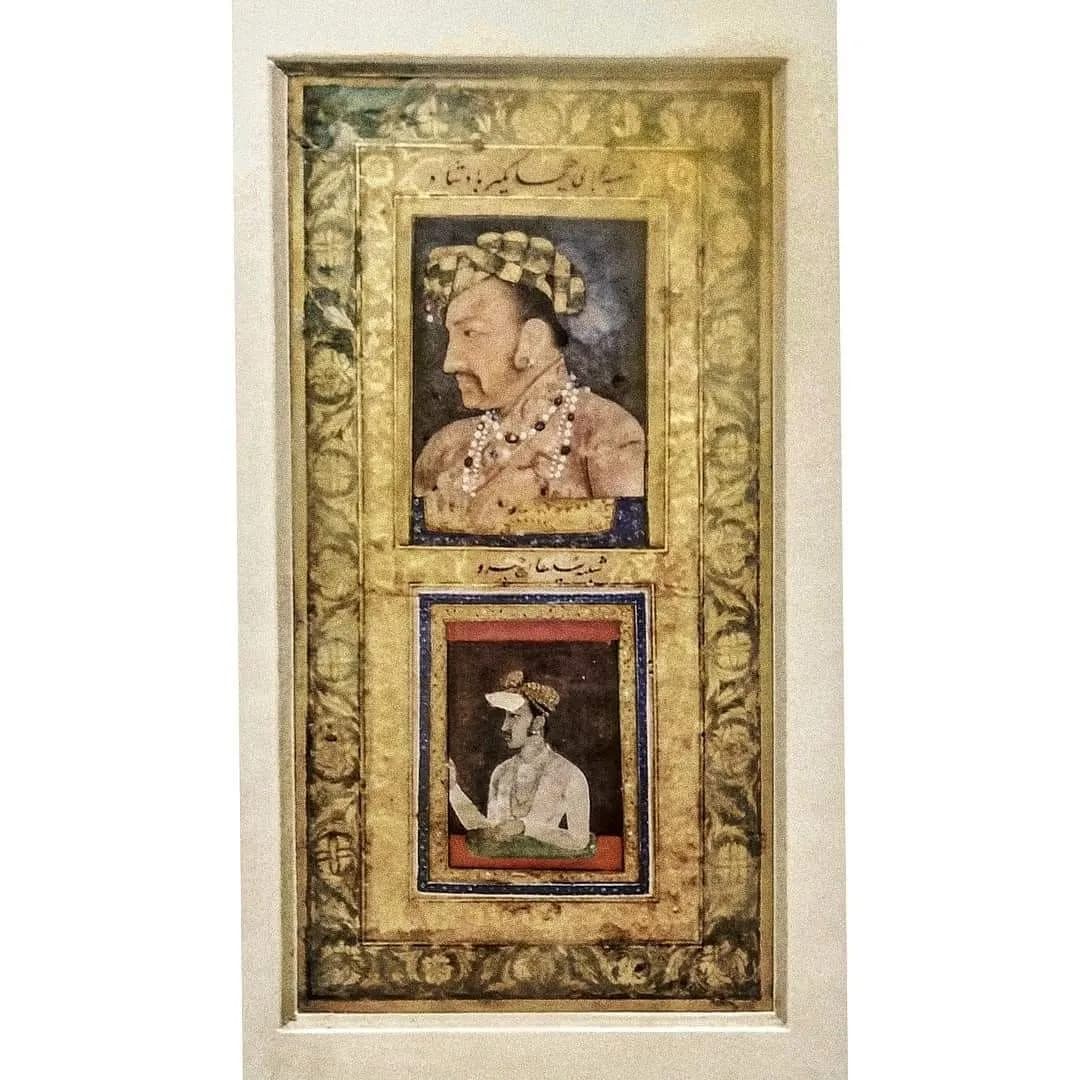
The second gallery reveals the craft behind the beauty. It showcases specimens of the precious and semi-precious stones used in the monument's pietra dura inlay work, including jade, lapis lazuli, turquoise and coral, so you can see the raw materials of the flowers that decorate the Taj. It also holds exquisite ivory miniature portraits of Shah Jahan and Mumtaz Mahal, rare likenesses of the couple at the heart of the story. Seeing the inlay stones in their raw form is quietly revelatory, because the delicate floral patterns on the Taj's walls, which look almost painted from a distance, are in fact made of these hard, coloured stones cut and fitted with astonishing precision. The gallery makes the scale of the craftsmanship clear in a way the finished monument, for all its beauty, can hide.
Gallery 3: Documents and calligraphy
The third gallery gathers the written record. It exhibits royal notices, land and fruit auction records known as Sanads, delicate examples of Persian calligraphy and miniature paintings from the Shahnama, the Persian book of kings. Together they show the administrative and artistic world in which the Taj was created. The calligraphy is especially worth pausing over, since the flowing Persian script that decorates the Taj's great gateway and tomb was a high art in the Mughal court and seeing it on paper here helps you appreciate the inscriptions outside. The everyday records, the auctions and notices, are a reminder that the Taj existed within a living city and economy, not in isolation, which grounds the romance of the monument in real history.
Highlights not to miss
A few exhibits stand out even in a collection this rich. The celadon plates in the main hall are the crowd favourite, carrying the old court belief that they would react to poison, a detail that brings the intrigue of Mughal life vividly to mind. In the first gallery, the original architectural drawings of the Taj Mahal are genuinely moving to see, the monument reduced to lines on paper and the Farman ordering marble from Makrana connects the gleaming white stone outside to a single royal command. In the second gallery, the ivory miniature portraits of Shah Jahan and Mumtaz Mahal are the emotional heart of the museum, putting faces to the love story behind the building. If your time is short, seek out these few pieces and you will come away with a far deeper feeling for everything the Taj represents.
Each of these highlights rewards a little knowledge. The architectural drawings, for instance, show how precisely the Taj was planned, with its perfect symmetry worked out in advance rather than improvised, a reminder that the monument is a triumph of engineering as much as of beauty. The Makrana marble decree ties the Taj to a specific place and a specific chain of command, Shah Jahan to Raja Jai Singh of Amber and reminds you that the stone was quarried and hauled across great distance at imperial order. The pietra dura stone specimens in the second gallery let you see, up close, the jade, lapis lazuli, turquoise and coral that form the inlaid flowers you admired from a distance outside, closing the gap between the finished effect and the raw material. And the ivory portraits give the story its human centre, the emperor and the wife whose death moved him to build the greatest tomb on earth. Seen together, these pieces turn the Taj from a beautiful object into a human and historical achievement you can begin to understand.
Entry, tickets and timings
The Taj Museum is one of the easiest and cheapest additions to a Taj visit, because for most people it is simply free. No separate ticket is needed if you already hold a valid Taj Mahal entry ticket, which every visitor to the complex does, so you just walk in. The standalone fees, where they apply, are ₹20 for Indian citizens, free for children under 15 and ₹750 for foreign nationals, but since a Taj ticket is required to enter the grounds at all, these rarely come into play. The museum is open from 10 AM to 5 PM and is closed on Fridays along with the main monument, so avoid planning your Taj visit for a Friday if the museum matters to you. Buy your Taj Mahal entry tickets at the official counter or through the Archaeological Survey of India website to avoid third-party markups. These details are current at the time of writing and worth reconfirming before you travel.
Photography and complex rules
Because the museum sits inside the Taj Mahal complex, it follows the monument's strict rules, with a few of its own. Keep these in mind:
- No photography inside. Photography and videography are strictly prohibited inside the museum galleries, though you may take photos in the surrounding gardens.
- Baggage limits. Large bags, food items, tobacco, tripods and drones are not allowed inside the Taj Mahal complex at all.
- Use the free lockers. Free locker facilities are available near the East and West entry gates to store items you cannot carry in.
- Buy tickets officially. Purchase your Taj Mahal ticket at the official counter or the Archaeological Survey of India website to avoid markups.
- Mind the Friday closure. The museum and the whole Taj Mahal are closed on Fridays, so plan around it.
What to expect at the Taj Museum
Expect a small, calm, well-kept museum rather than a grand gallery and value it for its depth rather than its size. After the crowds and the dazzle of the mausoleum, stepping into the quiet rooms of the Jal Mahal is a pleasant change of pace and the exhibits reward a slow, attentive look. You will not spend hours here, 30 to 45 minutes is plenty, but what you see puts everything else in context, from the plans that shaped the dome to the portraits of the people it honours. Because photography is not allowed inside, this is a visit to absorb with your eyes and your attention, which many people find a welcome discipline in a place so often experienced through a phone screen. It is not a highlight that will appear on a postcard, but for the curious traveller it is one of the most quietly rewarding corners of the whole Taj Mahal complex.
It also helps to set expectations about crowds and conditions. Because so few visitors seek the museum out, you will often find the galleries calm even when the mausoleum outside is thronged, which makes it a welcome pause in a busy morning. The lighting is kept low to protect the delicate documents and miniatures, so give your eyes a moment to adjust and read the labels, which carry the detail that brings each piece to life. There is no audio guide, so a little background reading beforehand or a good human guide, pays off here more than almost anywhere else at the Taj. If you are visiting with children, the coins, the arms and armour and the poison plates tend to catch their interest even when the documents do not, so steer them toward those. Treated as a short, considered stop rather than a rushed tick, the museum consistently surprises people with how much it adds.
Best time to visit the Taj Museum
Since the museum is inside the Taj Mahal, the best time to visit it follows the best time to visit the monument. The cool season from October to March is ideal for the whole complex and an early entry on any day except Friday lets you see the mausoleum and gardens in the soft morning light before stepping into the museum afterwards. The museum opens at 10 AM, a little after the monument itself, so it suits a mid-morning pause once you have seen the main sights. Avoid Fridays entirely, when both are closed. Because the galleries are indoors and shaded, the museum is also a comfortable refuge from the midday sun, making it a sensible stop in the warmer part of a visit. Our guide to the best time to visit the Taj Mahal covers the seasons in full.
How to reach the Taj Museum and its location
The Taj Museum is inside the Taj Mahal complex, in the Western Jal Mahal building, also called the Naubat Khana, set along the western wall of the grounds near the west gate exit. There is no separate journey to it, you reach it on foot during your Taj Mahal visit, which is why it pairs so naturally with seeing the monument. To reach the Taj Mahal itself, our guide on how to reach the Taj Mahal and the Taj Mahal entry gates covers the gates and approach and the museum's position near the west gate means it fits well toward the end of a visit as you make your way out. For the full picture of the monument, see our Taj Mahal guide and our notes on Taj Mahal history and facts. If you are planning ticket timing and costs, our guide to Taj Mahal ticket price and timings has the details and an early start gives you plenty of time for the museum too.
Fitting the Taj Museum into your visit
The smartest way to see the Taj Museum is to leave it until after you have taken in the main mausoleum and the gardens, because it sits right along the western wall near the west gate exit, so it falls naturally on your way out. Start with the monument itself in the best light, wander the charbagh gardens and then step into the cool galleries of the museum to round off the visit with the story behind everything you have just seen. This order means you are not distracted from the Taj at its most breathtaking and you leave with the plans, portraits and documents fresh in your mind. The museum adds only 30 to 45 minutes, so it is easy to include even on a tight schedule and it transforms a sightseeing stop into a proper understanding of the monument. For travellers who like to know the how and the why, it is time very well spent and it sends you back out through the west gate with the monument freshly understood rather than merely photographed. Many guests tell me afterwards that the museum was the moment the Taj Mahal stopped being just a famous image and became a real, human achievement they could grasp.
Taj Museum in your Golden Triangle itinerary
The Taj Museum does not need its own slot in an itinerary, because it is simply part of a thorough Taj Mahal visit and that is its charm. On a Golden Triangle trip through Delhi, Agra and Jaipur, where Agra is usually a single packed day, the museum adds depth to the Taj morning without adding travel or cost. Pair it with the Agra Fort, the riverside Itimad-ud-Daulah, the garden of Mehtab Bagh and, with more time, Fatehpur Sikri on the Jaipur road and you have a full and rich Agra day. For travellers who want to go beyond a quick photo at the Taj and actually understand it, the museum is the detail that makes the difference. Our Agra travel guide helps you plan a visit that gives the monument and its museum, their due.
Plan your trip with us
If you would like to see the Taj Mahal properly, with time for the museum and its treasures as well as the monument itself, let us arrange the day around you. We time your visit for the best light, handle the official tickets and make sure you do not miss the museum or waste time in queues. Our Delhi Agra tours cover the Taj Mahal, the Agra Fort and the city's wider sights and travellers short on time often choose a full Golden Triangle tour through Delhi, Agra and Jaipur, an early sunrise Taj Mahal tour or an Agra overnight tour from Delhi or a quick same day Agra tour from Delhi. To plan dates, tickets and timings, message Abhay and the team directly on WhatsApp at +91 7302265809 or reach our team online and we will make sure you see the Taj Mahal and understand it.
Related guides
Keep reading before you travel, these pair well with this guide:
Enquire Now
What our travellers say
“Our Golden Triangle honeymoon was flawless. Sunrise at the Taj with a private guide felt like a dream — every detail was handled.”
“As a first-time visitor to India, I felt completely safe and looked after. The driver and guide were superb professionals.”
“Travelling with two kids is hard, but they made it effortless. Great pacing, clean cars and zero surprises on price.”
“Booked the Agra day trip on short notice and it went off without a hitch. The guide's history knowledge made the Taj come alive.”
“Best decision of our India trip. Car was spotless, driver was punctual every single day, and the itinerary never felt rushed.”
“Organised a same-day Agra trip for my parents. Communication before and during the trip was excellent — genuinely stress-free.”
“Sunrise at the Taj Mahal was magical. Our guide spoke great English and answered every question with patience.”
“Three generations travelling together and everyone was comfortable — good vehicle, sensible stops, and no hidden costs.”
“I've used a few tour operators across Asia and this was among the smoothest. Fair pricing and they actually answer the phone.”
“Our custom Rajasthan-Agra combo was planned around our budget without cutting corners on comfort. Highly recommend.”
“Solo female traveller here — I felt safe throughout. The driver was respectful and the whole trip was timed perfectly.”
Ready to Explore
The Magic of Agra?
Experience the Taj Mahal at sunrise, explore the mighty Agra Fort, and discover the hidden gems of India's most beloved heritage city with our expert-guided premium tours.

Agra
Premium Tour Package
Questions
Frequently asked questions
What is the Taj Museum?
The Taj Museum is a small museum inside the Taj Mahal complex in Agra, housed in the Western Jal Mahal building. Established in 1982, it holds over 120 rare Mughal-era artifacts tied to the Taj Mahal, including original architectural plans, coins, miniature portraits and calligraphy.
Where is the Taj Museum located?
What are the Taj Museum timings?
Is the Taj Museum free?
What is inside the Taj Museum?
Can you take photos inside the Taj Museum?
Is the Taj Museum worth visiting?
When was the Taj Museum established?
Is the Taj Museum open on Fridays?
How long does it take to see the Taj Museum?
Explore more
Plan your Taj Museum trip with us

Interested in Taj Museum Agra: Timings, Tickets and What to See?
Chat with our travel team for a custom quote, or browse every package.
Related Attractions
9Taj Museum Agra on the map
Open in Google MapsReady to explore Taj Museum Agra: Timings, Tickets and What to See?
Book your private tour today and experience the magic of India's rich heritage.