

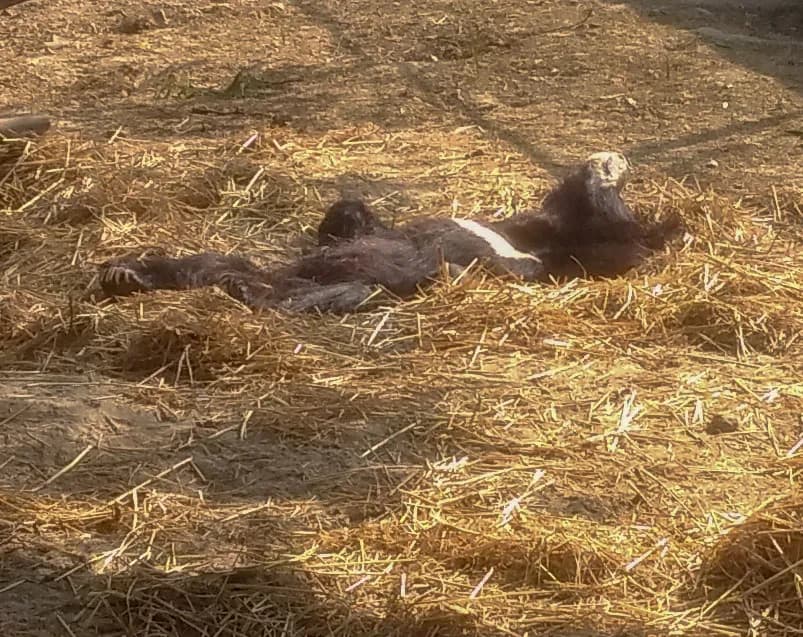
 Keetham, Delhi road, Agra
Wildlife SOS Agra: Bear and Elephant Rescue Visit Guide
Planning a Wildlife SOS visit near Agra? How to book the Agra Bear Rescue and Mathura Elephant Centre, with timings, fees, rules and what to expect.
Quick answer
Wildlife SOS runs two world-renowned rescue centres on the Agra to Mathura highway, the Agra Bear Rescue Facility at Keetham Lake and the Elephant Conservation and Care Centre near Mathura, 15 minutes apart. Both offer guided, pre-booked educational visits with no riding or touching of the animals. Visits are 10 AM onwards by online booking and it features on our Agra tours, run by a unit of Experience My India.
- #wildlife-sos
- #agra
- #agra-attractions
- #agra-travel
Wildlife SOS is one of the most meaningful things you can do near Agra, a chance to meet rescued sloth bears and elephants in true sanctuaries and to support ethical wildlife care rather than cruel entertainment. Just off the Delhi highway between Agra and Mathura, the two centres make a powerful, moving visit for families and animal lovers. Our team at Delhi Agra Tour Packages arranges these visits with the required bookings and they pair well with a wider Golden Triangle tour through Delhi, Agra and Jaipur.
I am Abhay Sharma, a Golden Triangle guide since 2015 and I always recommend Wildlife SOS to travellers who care about animals. These are not zoos but working rescue and rehabilitation centres, where every bear and elephant has a rescue story and where a guided visit teaches you as much about conservation as about the animals themselves. This guide covers both centres, the Agra Bear Rescue Facility and the Mathura Elephant Conservation and Care Centre, with how to book, the timings and fees, the strict welfare rules and what to expect.
Wildlife SOS at a glance
| Detail | Information |
|---|---|
| What it is | Two ethical wildlife rescue and rehabilitation centres |
| The centres | Agra Bear Rescue Facility and Elephant Conservation Centre |
| Founded | 1995 |
| Location | Along the Agra to Mathura highway, NH-19 |
| Booking | Mandatory, online in advance |
| Visits | Guided educational walks, no animal contact |
| Time needed | 1.5 to 2 hours per centre |
| Best season | October to March |
Visiting hours and slots
| Centre | Hours |
|---|---|
| Agra Bear Rescue Facility | 10 AM to 5:30 PM daily |
| Elephant Conservation Centre | 10 AM to 5 PM daily |
| Guided slots | Morning and afternoon 2-hour slots |
| Time per centre | 1.5 to 2 hours |
Neither centre operates like a walk-in zoo, because visits are structured around the animals' daily care routines. The Agra Bear Rescue Facility is open daily from 10 AM to 5:30 PM and the Elephant Conservation and Care Centre from 10 AM to 5 PM, both running guided 2-hour slots in the morning and afternoon. Typical bear-centre slots start at 9 AM, 11 AM, 2 PM and 4 PM, with the exact elephant-centre slot confirmed when you book. These timings are current at the time of writing and are set by Wildlife SOS, so confirm your slot at the time of booking.
Booking and fees
| Detail | Information |
|---|---|
| Advance booking | Mandatory, via the official Wildlife SOS portal |
| Bear centre contribution | Typically ₹1,500 to ₹2,500 per person |
| Elephant centre contribution | Typically ₹2,000 to ₹2,500 per person |
| Forest gate fee (bear centre) | ₹40 to ₹50 Indian, ₹350 to ₹500 foreign, cash only |
| Camera fee | ₹500 for a DSLR, at the Soor Sarovar gate |
Booking in advance is mandatory for both centres and must be arranged online through the official Wildlife SOS portal, as you cannot simply turn up. Each visit asks for a minimum donation, typically ₹1,500 to ₹2,500 per person at the bear centre and ₹2,000 to ₹2,500 per person at the elephant centre, which goes directly to Wildlife SOS. At the bear centre, a separate Forest Department gate fee applies at the Soor Sarovar Bird Sanctuary, ₹40 to ₹50 for Indian nationals and ₹350 to ₹500 for foreign nationals, cash only and this goes to state park maintenance rather than to Wildlife SOS. A camera fee of ₹500 for a DSLR may apply at that gate. The elephant centre includes its arrangement with no separate park ticket. These figures are current at the time of writing and are revised periodically, so reconfirm when booking.
How to reach
| From | Details |
|---|---|
| Both centres | Off NH-19, the Agra to Mathura highway |
| From central Agra | 25 to 30 km, a 45-minute drive |
| From central Mathura | 25 to 30 minutes |
| Between the two centres | 15 minutes apart |
What is Wildlife SOS?
Wildlife SOS is an Indian wildlife conservation charity that runs two world-renowned rescue centres along the Agra to Mathura highway, NH-19, formerly NH-2. It was established in 1995 to protect India's wildlife and to rehabilitate animals rescued from abuse, poaching and illegal captivity and it has grown into one of the most respected organisations of its kind. For visitors to the Agra and Mathura region, it offers the rare and moving chance to see rescued sloth bears and elephants living in genuine sanctuaries, cared for rather than exploited. The two centres sit 15 minutes apart, so you can visit one or both and every visit is a guided, educational experience focused on ethical rehabilitation and conservation, not on commercial entertainment.
Several things make Wildlife SOS special and they are worth knowing before you go:
- Two rescue centres in one trip. The Agra Bear Rescue Facility and the Mathura Elephant Conservation and Care Centre are a short drive apart.
- Ethical, not entertainment. There is no riding, bathing or touching of animals, only respectful, guided observation.
- Real rescue stories. Every bear and elephant here was rescued from cruelty and guides share their individual histories.
- A conservation education. Visits explain diets, veterinary care and enrichment, teaching you how wildlife rehabilitation works.
- A meaningful alternative. Supporting Wildlife SOS is a direct way to reject the cruel animal tourism these centres exist to replace.
A word on why this matters for a traveller to Agra. Across India and much of Asia, tourists are still offered elephant rides, photo opportunities with chained animals and street performances, almost all of which rest on cruelty that is hidden from the visitor. Wildlife SOS exists to undo exactly that harm and choosing to spend a morning here instead of on a ride is a small but real act of better travel. It is also simply a better experience, because seeing an elephant wander free in a field tells you far more about the animal than sitting on its back ever could. For responsible travellers and for parents who want to teach their children the right lessons, a visit is both the kinder choice and the more memorable one, which is a rare and happy combination.
The Agra Bear Rescue Facility
The Agra Bear Rescue Facility was established in 1999 inside the Soor Sarovar Bird Sanctuary at Keetham Lake and it is the largest sloth bear rescue centre in the world. It is home to around 90 to 110 sloth bears, all rescued from the centuries-old dancing bear trade, in which bears were cruelly captured and trained to perform. Today those same bears live in large forested enclosures with ponds and enrichment structures, fed from an eco-friendly kitchen, while Wildlife SOS also runs alternative livelihood programmes for the Kalandar community who once relied on the dancing bear trade, so the rescue heals both the animals and the people. Because the centre sits within the bird sanctuary, a visit can be combined with the birdlife and lake of Keetham Lake, though the bear visit itself is booked and run separately by Wildlife SOS. Watching these rescued bears forage and climb in a safe, natural setting, after all they have endured, is a quietly powerful experience.
The story of the dancing bears gives the centre its weight. For centuries, sloth bear cubs were taken from the wild and trained, through great cruelty, to perform on the streets for the Kalandar community, who had little other means of earning a living. Ending the practice meant not only rescuing the bears but offering the Kalandars another way to support their families, which is why Wildlife SOS pairs the bear rescue with alternative livelihood and education programmes for that community. The result is a rescue that addresses the cause as well as the symptom and it is a model that has been studied around the world. When you watch the bears today, digging for food, splashing in the ponds and climbing among the enrichment structures, you are seeing the end of a long, hard road and the care team's pride in each animal is plain. It is an education in how conservation and human welfare can go hand in hand.
The Elephant Conservation and Care Centre
The Elephant Conservation and Care Centre, near Churmura village in Farah, Mathura, was India's first specialised rehabilitation facility for elephants and it is the real revelation of a Wildlife SOS visit. It cares for elephants rescued from street begging, circuses, tourist rides and temple captivity, giving them a life of dignity after years of hardship. The centre features large open fields where the elephants can roam and socialise, custom-built pools and direct access to the Yamuna River for elephant dips, along with a state-of-the-art elephant hospital of 10,000 square feet, equipped to treat the injuries and ailments that captivity leaves behind. On a visit you watch the elephants from a respectful distance as they bathe, feed and interact and you learn the story of each one, many of whom arrived with serious injuries or trauma. There is no riding and no bathing of the elephants by visitors, which is precisely the point, because this centre exists as the ethical answer to the elephant rides and performances that cause such suffering. For anyone who has ever been tempted by an elephant ride elsewhere, a visit here is an eye-opening and deeply worthwhile alternative.
The elephant hospital is worth singling out, because it is one of the most advanced of its kind in the country. Rescued elephants often arrive with the hidden damage of decades in captivity, from foot disease caused by standing on hard surfaces and chained legs, to abscesses, poor eyesight and the psychological scars of abuse and treating them requires specialist equipment and patient, long-term care. The 10,000-square-foot facility is built for exactly this, with the space and the tools to rehabilitate animals that most places could not help. On a visit your guide explains the treatments the elephants receive and the difference between the animal that arrived and the one you see is often remarkable. Watching a herd of former circus and begging elephants wander an open field, dust-bathe and wade into a pool, free of chains and hooks, is a moving sight and it stays with most visitors long after they leave. It is the clearest possible demonstration of what elephants should be and of why the cruel alternatives deserve to end.
How a visit works
A Wildlife SOS visit is unlike a zoo trip and understanding the format helps you get the most from it. Every visit is led by an Education Officer or an animal care specialist, who shares the medical and rescue histories of individual animals, so you come away knowing the stories behind the faces. The core of the visit is a guided educational walk, in which you follow designated viewing paths and verandas to observe the bears foraging in the trees or the elephants socialising and taking mud baths, always from a safe, respectful distance. Your guide also offers behind-the-scenes insights, explaining the specialised diets, such as ragi porridge with honey and dates for the bears or large nutritional meals for the elephants, the enrichment toys that keep the animals stimulated and the veterinary treatments on offer, from laser therapy to careful foot care. It is as much a lesson in compassion and conservation as a wildlife sighting and it is this depth that makes a visit so memorable. Plan on 1.5 to 2 hours per centre to take it all in without rushing.
What surprises many first-time visitors is how much there is to learn. These are not animals on display but patients and residents, each with a file, a history and a care plan and the Education Officers are genuinely knowledgeable rather than ticket-takers. You might learn how a bear that spent years with a rope through its muzzle slowly learns to trust again or how an elephant blinded by abuse is guided by a companion and these stories turn a pleasant outing into something that changes how you think about animal tourism. The guides are also happy to answer questions, so come curious. Families with children find the visit especially rich, because it teaches empathy in a way no textbook can and the children often remember it as the highlight of the trip. Because the groups are kept small and the pace is gentle, it never feels like a conveyor belt, which is part of why the experience lands so deeply.
Booking, timings and fees
Because the centres run around the animals' care routines rather than as open attractions, booking is the single most important thing to get right. Advance booking is mandatory for both the bear and the elephant centre and must be arranged online through the official Wildlife SOS portal, so plan ahead and never rely on turning up at the gate. The Agra Bear Rescue Facility is open from 10 AM to 5:30 PM and the Elephant Conservation and Care Centre from 10 AM to 5 PM, both running guided 2-hour slots in the morning and afternoon. Each visit asks for a minimum donation, typically ₹1,500 to ₹2,500 per person at the bear centre and ₹2,000 to ₹2,500 per person at the elephant centre, paid directly to Wildlife SOS to fund the animals' care. At the bear centre, remember the separate Forest Department gate fee at the Soor Sarovar Bird Sanctuary, ₹40 to ₹50 for Indians and ₹350 to ₹500 for foreign visitors, payable in cash only, plus a possible ₹500 camera fee for a DSLR. These details are current at the time of writing and worth reconfirming when you book.
Visitor rules and ethical tourism
Wildlife SOS enforces strict animal-welfare protocols so that rescued animals remain calm and stress-free. Respecting them is the whole spirit of a visit:
- Zero direct contact. Elephant riding, bathing, hugging or touching the animals is strictly prohibited and you keep a safe distance behind the barriers at all times.
- Quiet and respectful behaviour. Speak softly, avoid sudden movements and never use flash photography, as many rescued animals suffer from trauma or even blindness.
- No feeding. Do not bring outside food to feed the animals, as their diets are carefully managed by the care team.
- Come self-sufficient. Dining options inside are very limited, so carry your own drinking water and light snacks.
- Dress for the outdoors. Wear comfortable walking shoes, sun protection and modest, weather-appropriate clothing, as tours involve walking on unpaved trails.
What to expect at Wildlife SOS
Expect a thoughtful, guided, emotionally resonant experience rather than a quick animal-spotting stop. You arrive at a booked slot, meet your Education Officer and walk the viewing paths while they tell you the rescue stories and explain the care the animals receive. The settings are spacious and natural, forested enclosures for the bears and open fields and pools for the elephants and the animals behave as animals should, foraging, bathing and socialising, not performing. It is calm and unhurried and it can be moving, especially when you learn what these animals endured before their rescue. This is not a place for selfies with animals or for close contact and that restraint is exactly why it is worth supporting. For families, it is a powerful lesson for children about kindness to animals; for any traveller, it is a reminder that the best wildlife encounters are the ones that put the animal first. Many visitors tell me it was the most meaningful few hours of their whole trip and more than a few say it changed how they think about animals in tourism for good. It is the kind of stop that gives a holiday a little more substance.
Best time to visit Wildlife SOS
The best season is October to March, when the daytime weather is pleasant, between 15 and 28 degrees Celsius and comfortable for outdoor walks. This season also coincides with peak migratory birdwatching at the Soor Sarovar Bird Sanctuary around the bear centre, so a winter visit lets you combine the bears with the birds. During the summer months of April to June, the heat can be intense in the middle of the day, so book the earliest morning slot to stay comfortable and to catch the animals at their most active. Within any day, the morning slots are generally cooler and livelier than the afternoon. Our wider notes on the best time to visit Agra apply here too, since the same cool season suits both the region and the visit.
How to reach Wildlife SOS and its location
Both Wildlife SOS centres sit just off NH-19, the Agra to Mathura highway, which makes them easy to combine with a drive between the two cities. The Agra Bear Rescue Facility is inside the Soor Sarovar Bird Sanctuary at Keetham Lake near Runakta, where you look for the yellow forest department gate sign on the highway and drive 2 kilometres inside the sanctuary. The Elephant Conservation and Care Centre is near Churmura village in Farah, Mathura, close to the Sachdeva Institute of Technology. Both are 25 to 30 kilometres from central Agra, a 45-minute drive and 25 to 30 minutes from central Mathura, with the two centres 15 minutes apart from each other. Because public transport does not reach the sanctuary gates, the sensible way to visit is by a private cab, an auto-rickshaw or a booked round-trip transfer from Agra or Mathura. A private car with a driver is by far the most comfortable option and travellers often build the visit into an Agra overnight tour from Delhi or a same day Agra tour from Delhi with time added.
Visiting both centres in a day
Because the bear and elephant centres are only 15 minutes apart, many visitors see both in a single, rewarding day. If you plan to do this, allow 4 to 5 hours in total, counting roughly 1.5 to 2 hours at each centre plus the short drive between them and book both slots in advance so they fit together. A common and comfortable plan is a morning slot at one centre, a simple lunch and an afternoon slot at the other, though an early start in summer is wise to beat the heat. Doing both in a day gives you the fullest picture of Wildlife SOS, from the sloth bears of the dancing bear trade to the elephants rescued from rides and begging and it makes a genuinely substantial day out from either Agra or Mathura. If you have time for only one, the elephant centre is the more unusual experience, while the bear centre pairs naturally with the birdlife of Keetham Lake. Booking both slots with a sensible gap between them is the key to a smooth day, so arrange them together rather than hoping to fit the second in on the spur of the moment. With a private car and driver you can move easily between the two and keep to your booked times without stress, which matters when the slots are fixed and the animals' routines come first.
Places to visit near Wildlife SOS
Wildlife SOS sits on the NH-19 corridor north of Agra toward Mathura, so it pairs naturally with the sights along that road. The bear centre is inside the Soor Sarovar Bird Sanctuary at Keetham Lake, so birdwatching there is the obvious companion to the bears. On the same highway toward the city lie the great mausoleum of Akbar's Tomb at Sikandra and the Sikh shrine of Guru ka Taal, making a full northern circuit possible. When you turn to the headline sights, the Taj Mahal, the Agra Fort, the riverside Itimad-ud-Daulah and the garden of Mehtab Bagh remain the essentials, with Fatehpur Sikri on the Jaipur road. Toward Mathura, the whole Braj pilgrimage region opens up and our guide to tourist places near Agra covers more excursions in both directions along the highway.
Wildlife SOS in your Agra itinerary
Wildlife SOS fits an Agra itinerary as a meaningful half or full day that stands apart from the monuments. Because booking is essential and visits run to fixed slots, it needs a little planning, but the reward is one of the most distinctive experiences in the region. The natural way to use it is as a dedicated morning, either the bears, the elephants or both, ideally on a day when you are travelling between Agra and Mathura, since the centres sit on that road. For families it is an outstanding choice, giving children a vivid, compassionate lesson they will remember and for any traveller tired of crowds and queues it is a refreshing change of pace. It also pairs beautifully with Keetham Lake for a full day of nature and wildlife north of the city. Our Agra travel guide helps you weave it into a trip that balances the Mughal monuments with the region's remarkable conservation work. For travellers who want their holiday to do a little good as well as impress, few stops near Agra deliver more.
Plan your trip with us
If you would like to meet the rescued bears and elephants of Wildlife SOS, with the bookings handled and the day arranged around the slots, let us take care of it. These visits need advance online booking, enough cash for the forest gate and comfortable transport to centres that public transport cannot reach, all of which we organise so you can simply enjoy the experience. Our Delhi Agra tours cover the Taj Mahal, the Agra Fort and ethical experiences like this one and travellers short on time often choose a full Golden Triangle tour through Delhi, Agra and Jaipur or an early start with our sunrise Taj Mahal tour. To plan dates, bookings and a route that gives Wildlife SOS its due, message Abhay and the team directly on WhatsApp at +91 7302265809 or reach our team online and we will build an Agra trip that pairs the monuments with a genuinely good deed.
Related guides
Keep reading before you travel, these pair well with this guide:
Enquire Now
What our travellers say
“Our Golden Triangle honeymoon was flawless. Sunrise at the Taj with a private guide felt like a dream — every detail was handled.”
“As a first-time visitor to India, I felt completely safe and looked after. The driver and guide were superb professionals.”
“Travelling with two kids is hard, but they made it effortless. Great pacing, clean cars and zero surprises on price.”
“Booked the Agra day trip on short notice and it went off without a hitch. The guide's history knowledge made the Taj come alive.”
“Best decision of our India trip. Car was spotless, driver was punctual every single day, and the itinerary never felt rushed.”
“Organised a same-day Agra trip for my parents. Communication before and during the trip was excellent — genuinely stress-free.”
“Sunrise at the Taj Mahal was magical. Our guide spoke great English and answered every question with patience.”
“Three generations travelling together and everyone was comfortable — good vehicle, sensible stops, and no hidden costs.”
“I've used a few tour operators across Asia and this was among the smoothest. Fair pricing and they actually answer the phone.”
“Our custom Rajasthan-Agra combo was planned around our budget without cutting corners on comfort. Highly recommend.”
“Solo female traveller here — I felt safe throughout. The driver was respectful and the whole trip was timed perfectly.”
Ready to Explore
The Magic of Agra?
Experience the Taj Mahal at sunrise, explore the mighty Agra Fort, and discover the hidden gems of India's most beloved heritage city with our expert-guided premium tours.

Agra
Premium Tour Package
Questions
Frequently asked questions
What is Wildlife SOS?
Wildlife SOS is an Indian wildlife conservation charity founded in 1995 that rescues and rehabilitates animals from abuse, poaching and illegal captivity. Near Agra it runs two centres on the Mathura highway, the Agra Bear Rescue Facility for sloth bears and the Elephant Conservation and Care Centre for rescued elephants.
Can you visit Wildlife SOS near Agra?
What are the Wildlife SOS timings?
How much does a Wildlife SOS visit cost?
Can you ride or bathe the elephants at Wildlife SOS?
Where is the Agra Bear Rescue Facility?
Where is the Elephant Conservation and Care Centre?
Can you visit both Wildlife SOS centres in one day?
Why is Wildlife SOS considered ethical tourism?
Is Wildlife SOS worth visiting?
Explore more
Plan your Wildlife SOS trip with us
Interested in Wildlife SOS Agra: Bear and Elephant Rescue Visit Guide?
Chat with our travel team for a custom quote, or browse every package.
Related Attractions
9Wildlife SOS Agra on the map
Open in Google MapsReady to explore Wildlife SOS Agra: Bear and Elephant Rescue Visit Guide?
Book your private tour today and experience the magic of India's rich heritage.