Dara Shikoh Library Building Delhi: History, Timings and Guide
Visiting the Dara Shikoh Library Building at Kashmere Gate? The Mughal prince, the layered history, the Delhi Partition Museum, timings and nearest metro.
In a Nutshell
“The Dara Shikoh Library Building at Kashmere Gate in Old Delhi is a 17th-century Mughal palace, built around 1637 for Prince Dara Shikoh, the scholarly eldest son of Shah Jahan, to house his famous collection of manuscripts. Over nearly four centuries it passed through an extraordinary chain of owners, from a Portuguese governess to the first British Residency under David Ochterlony and through many schools and offices, before being restored by INTACH. Today it houses the Delhi Partition Museum. Entry is free, it is open Tuesday to Sunday and it sits inside Ambedkar University near Kashmere Gate metro. It features on our heritage Delhi tours, run by a unit of Experience My India.”
The Dara Shikoh Library Building is one of Delhi's most fascinating layered monuments, a building whose Mughal core wears a colonial face and whose halls now tell the story of Partition, all bound up with the memory of one of the most intriguing princes in Indian history. For history lovers and those drawn to the city's quieter, deeper heritage, it is a rewarding stop. Our team at Delhi Agra Tour Packages sometimes includes it on a Kashmere Gate heritage walk and it adds a thoughtful, story-rich dimension to a wider Golden Triangle tour through the capital.
I am Abhay Sharma, Delhi born and a Golden Triangle guide since 2015 and I enjoy bringing history-minded guests here, because few buildings in the city carry so many layers of history in a single structure or so poignant a present-day purpose. This guide gathers everything I would tell a visitor beforehand, checked against current information, including the history, the architecture, the Partition Museum, the timings and how to reach it.
Details
Dara Shikoh Library at a glance
| Detail | Information |
|---|---|
| Location | Lothian Road, Ambedkar University, Kashmere Gate, Old Delhi |
| Built | Around 1637, for Prince Dara Shikoh |
| Original use | A palace library for Dara Shikoh's manuscripts |
| Now houses | The Delhi Partition Museum |
| Architecture | A Mughal core with a colonial neo-classical facade |
| Entry | Free; photo ID needed for campus access |
| Nearest metro | Kashmere Gate, Gate No. 7, about an 8 to 10 minute walk |
| Time needed | About 1 to 1.5 hours |
Dara Shikoh Library timings
| Detail | Information |
|---|---|
| Open | Tuesday to Sunday, 10:00 AM to 5:00 PM |
| Closed | Mondays and 26 January, 15 August, 2 October |
| Time needed | About 1 to 1.5 hours |
The Dara Shikoh Library Building, housing the Delhi Partition Museum, is open Tuesday to Sunday from 10:00 AM to 5:00 PM and is closed every Monday and on the major national holidays of 26 January, 15 August and 2 October. A visit, taking in the building and the museum galleries, takes about one to one and a half hours. These timings are current at the time of writing and can vary, so reconfirm before a special trip.
Entry fee
| Item | Information |
|---|---|
| Entry fee | Free, under the Adopt a Heritage initiative |
| Tickets | None, but a photo ID is required for campus entry |
| Inside | Photography is not permitted in the galleries |
How to reach the Dara Shikoh Library
| From | Route |
|---|---|
| Kashmere Gate metro | Gate No. 7, an 8 to 10 minute walk down Lothian Road |
| Metro lines | Red, Yellow and Violet Lines interchange at Kashmere Gate |
| Campus entry | Show a photo ID at Ambedkar University Gate No. 1 for a token |
| By car | No visitor parking inside; public transit is recommended |
What is the Dara Shikoh Library Building?
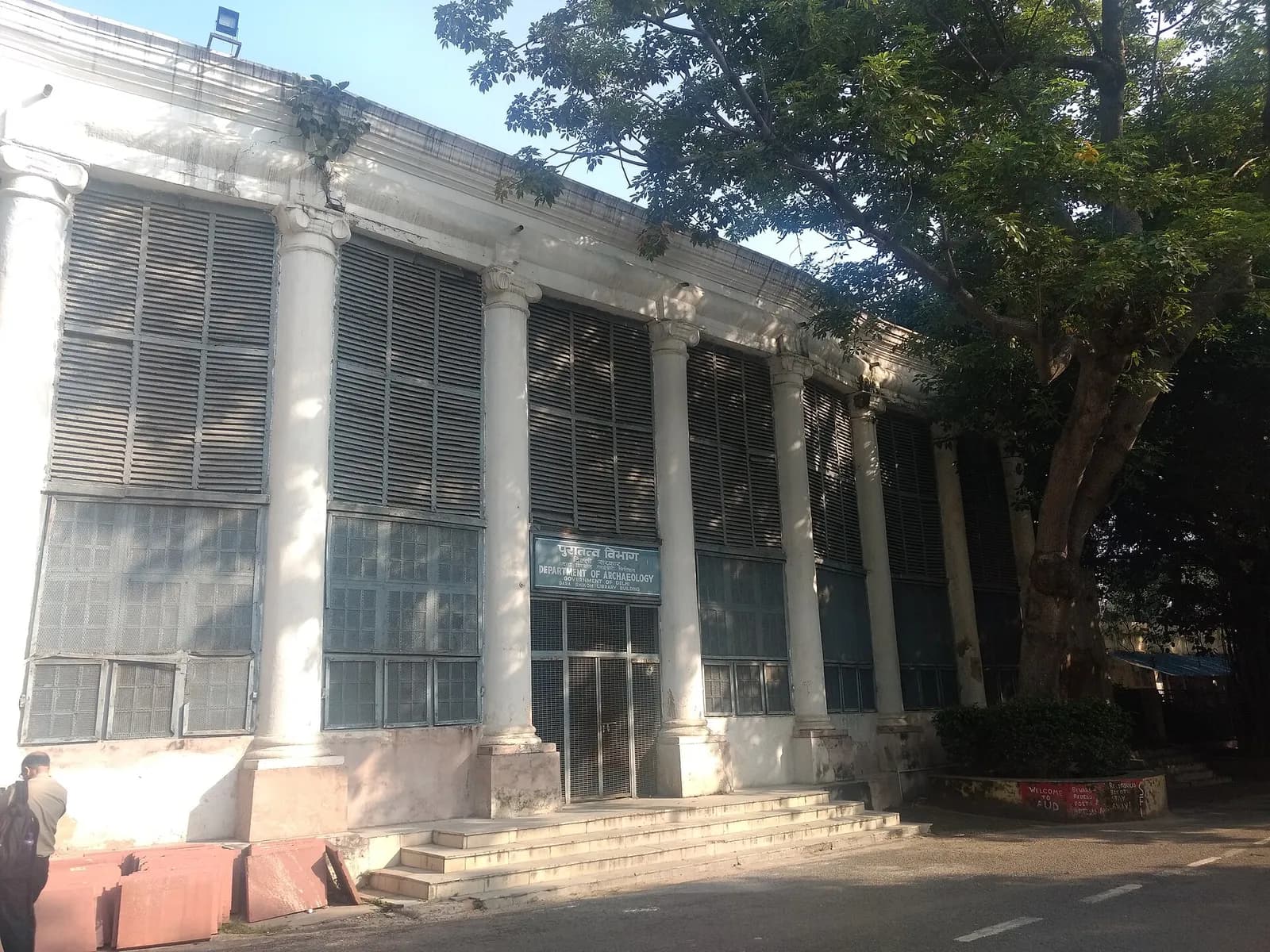
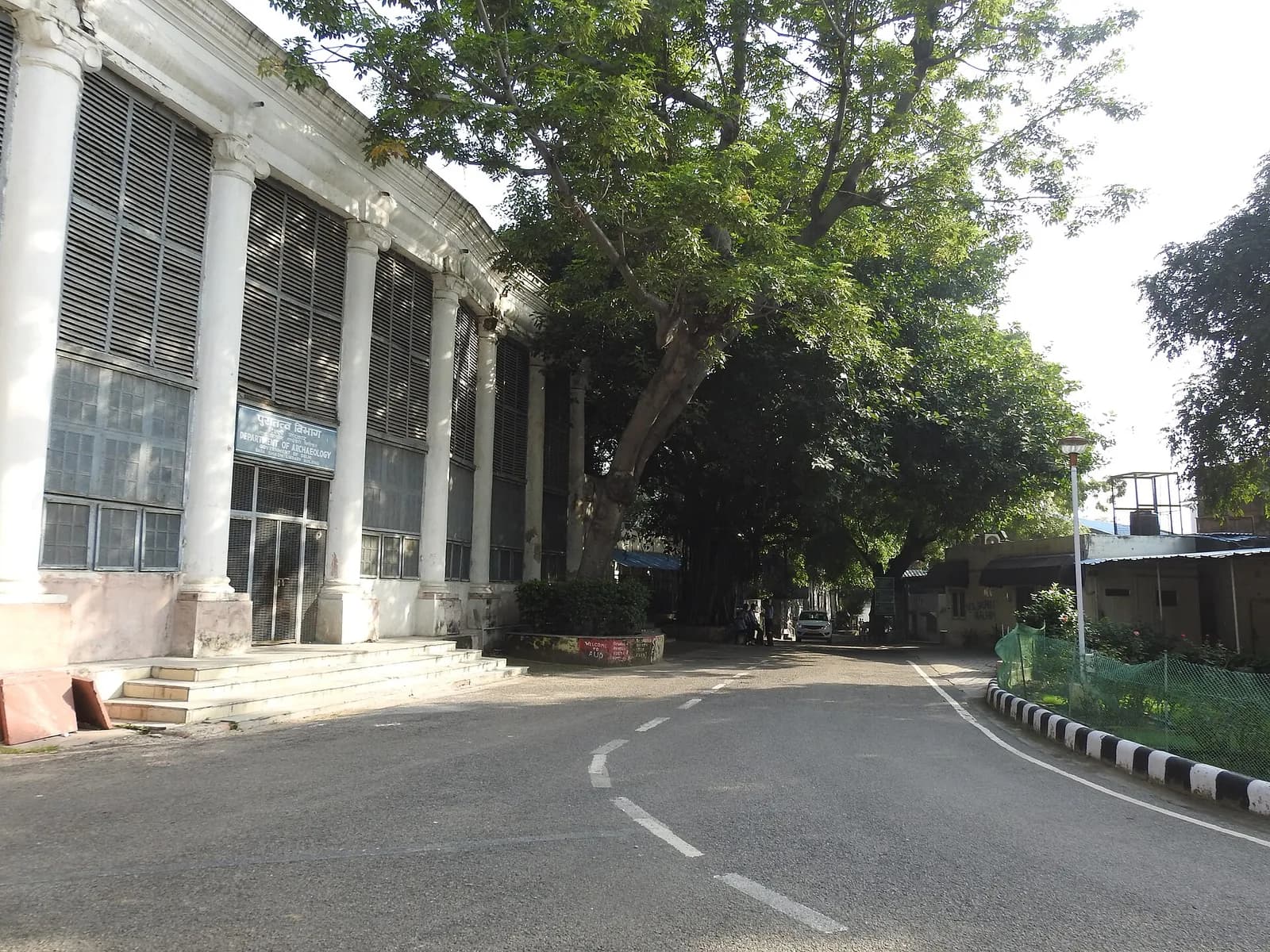
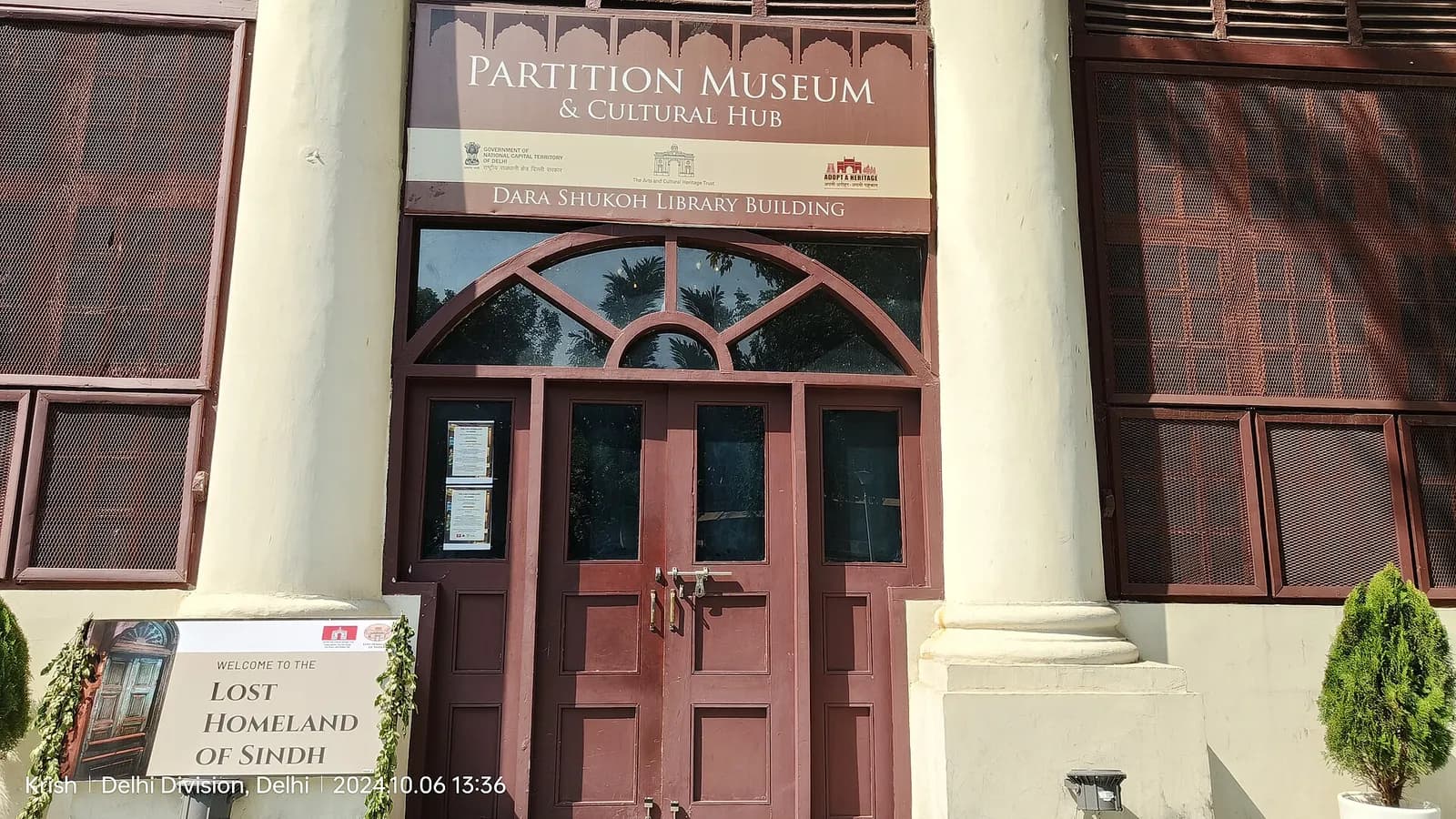
The Dara Shikoh Library Building is a historic 17th-century structure at Kashmere Gate in Old Delhi originally built as a palace and library for the Mughal prince Dara Shikoh and now one of the most layered and intriguing monuments in the city. Constructed around 1637 to house the scholarly prince's renowned collection of rare manuscripts, the building went on, after Dara Shikoh's death, to pass through an astonishing succession of owners and uses over nearly four centuries, acquiring a colonial neo-classical facade over its Mughal core along the way, so that its very fabric tells the story of Delhi's changing rulers. Today, beautifully restored, it stands inside the leafy campus of Dr B R Ambedkar University near Kashmere Gate and houses the Delhi Partition Museum, giving this ancient building a moving contemporary purpose. It is a place where Mughal, colonial and modern India meet in a single structure, which is exactly what makes it so compelling for the history-minded visitor.
Several things make it special and they are worth drawing out:
- A Mughal prince's library. Built around 1637 for Dara Shikoh, the scholarly son of Shah Jahan, to house his famous manuscript collection.
- A building of many lives. Owned and used over the centuries by a Portuguese governess, the British Residency, several colleges and government offices.
- A hybrid of two eras. A 17th-century Mughal core overlaid with a 19th-century colonial neo-classical facade, visible in its very walls.
- The Delhi Partition Museum. Now home to a moving museum chronicling the mass displacement of 1947 through personal belongings and oral histories.
- A Kashmere Gate heritage hub. Set among the colonial heritage of Civil Lines, close to St James Church and Nicholson Cemetery.
It is one of the most historically layered and thought-provoking of the offbeat things to do in Delhi and a fascinating entry among the important monuments of Delhi.
Who was Dara Shikoh?
To understand the building is to understand the remarkable prince who built it, for the Dara Shikoh Library is inseparable from the memory of its founder. Dara Shikoh was the eldest and most beloved son of the Mughal emperor Shah Jahan, the builder of the Taj Mahal and he was widely expected to succeed to the throne. But he is remembered less as a would-be emperor than as one of the most fascinating intellectual figures of Mughal India, a profound mystic, philosopher and scholar devoted to the meeting of religious traditions. He gathered around him a great collection of rare manuscripts, housed in this very building and he famously had sacred Sanskrit texts, including the Upanishads, translated into Persian, in a sincere effort to find the common ground between Hindu and Islamic thought.
His story, however, ended in tragedy. In the war of succession among Shah Jahan's sons, Dara Shikoh was defeated by his younger brother Aurangzeb and, in 1659, was executed on Aurangzeb's orders, his scholarly and tolerant vision extinguished in favour of a very different reign. The contrast between the two brothers, the liberal, syncretic scholar and the austere orthodox conqueror, has fascinated historians ever since and it lends a deep poignancy to this building, the surviving home of Dara Shikoh's library and learning. For the visitor, knowing who Dara Shikoh was, his scholarship, his dream of reconciliation and his grim fate, transforms the building from an old structure into a moving memorial to a road not taken in Indian history, which is a large part of why it is worth seeking out.
History of the Dara Shikoh Library Building
The history of this building is one of the most extraordinary of any in Delhi, a single structure passed down through nearly four centuries of changing rulers and uses, each leaving its mark. The story unfolds as a remarkable chain:
- The Mughal library, around 1637. Built by Prince Dara Shikoh as a palace and library to house his great collection of manuscripts, in the flourishing of Shah Jahan's reign.
- The governess's retreat. After Dara Shikoh's execution in 1659, the building eventually passed to Donna Juliana Dias da Costa, a Portuguese lady who served as an influential governess to the Mughal royal children.
- The British Residency, 1803. It was converted into the first official British Residency in Delhi, the grand colonial estate of Major General Sir David Ochterlony, who remodelled it to colonial tastes.
- Schools and offices. Over the following century and more it became, in turn, the campus of the historic Delhi College, a British military barracks, an Anglo-Arabic school, a municipal board school, a government polytechnic and the offices of the Delhi State Archaeology Department.
- Restoration and rebirth. After years of structural decay, the Indian National Trust for Art and Cultural Heritage, INTACH, working with the local government, fully restored the building, which now houses the Delhi Partition Museum.
This succession, from a Mughal prince's library to a Portuguese governess's home, to a British Residency, through a string of schools and offices, to a restored Partition museum, makes the building a living record of the whole sweep of Delhi's modern history. Few structures anywhere have served so many masters and purposes while surviving intact and each era is legible in its fabric and its story. For the visitor, this layered history is the building's great fascination: to stand within it is to pass through Mughal, colonial and independent India all at once, which is what gives this quiet campus monument its extraordinary depth.
The British Residency and David Ochterlony
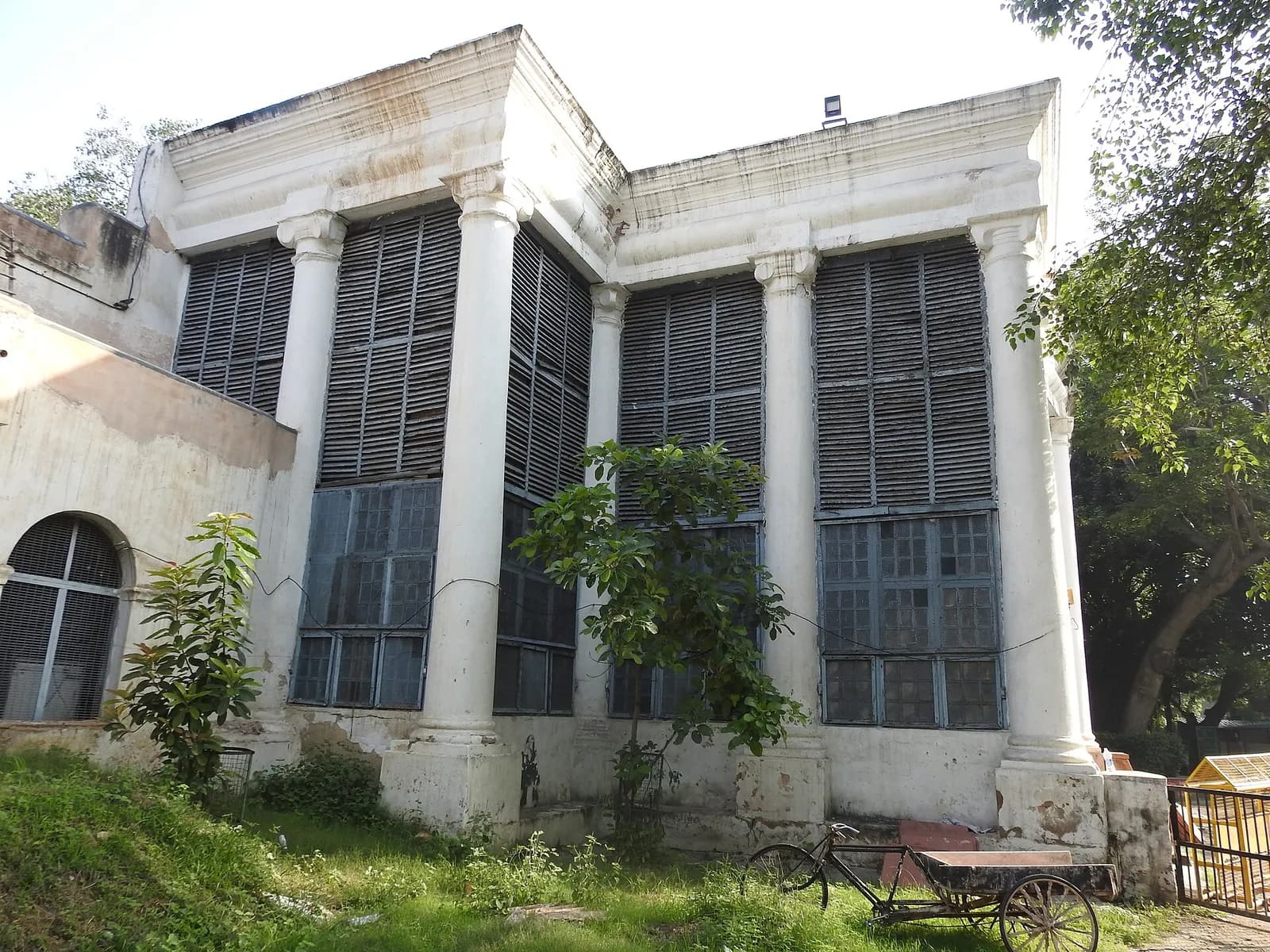
One chapter of the building's history deserves particular mention for the mark it left on the structure itself and that is its time as the first British Residency in Delhi. In 1803, as British power extended over the city, the old Mughal building was taken over and converted into the official Residency, the grand estate of Major General Sir David Ochterlony, one of the most famous and colourful figures of the early colonial era in Delhi, remembered for his adoption of Mughal court style and his large household. It was under Ochterlony and the Residency that the building acquired the dramatic colonial character it still wears today. He had the facade remodelled in the fashionable British neo-classical taste, adding soaring colonnades, deep shaded verandahs and tall shuttered glass windows that masked and transformed the original Mughal masonry beneath.
The result is the striking architectural hybrid that makes the building so distinctive, a 17th-century Mughal palace wearing a 19th-century European face, the two eras layered one over the other in a single structure. This period as the Residency also placed the building at the centre of early colonial Delhi, a hub of power and society in the decades before the capital shifted and before the upheavals of 1857. For the visitor, Ochterlony's remodelling is visible in every colonial column and verandah of the exterior and knowing that these were grafted onto a Mughal prince's library adds yet another layer to the building's rich story, making the very walls a lesson in the city's changing fortunes.
Architecture of the Dara Shikoh Library Building
Architecturally, the building is a fascinating hybrid of two very different traditions and understanding its layers greatly enriches a visit. At its heart lies the original 17th-century Mughal structure and its colonial transformation sits over the top of that core:
- The Mughal base. The core and northern sections retain the 17th-century Mughal palace grid, built with the traditional thin, flat lakhori bricks of the period, now largely hidden beneath later plaster and remodelling.
- The colonial overlay. When David Ochterlony took over the building in the early 19th century, he remodelled the facade in British neo-classical style, grafting a European face onto the Mughal body.
- The colonial features. This overlay added soaring, stately columns, deep verandahs and tall shuttered glass windows, which together mask much of the original Mughal masonry beneath.
The overall effect is of a building in two minds, Mughal at its core and colonial on its surface, a physical palimpsest of Delhi's successive rulers. Where many monuments belong clearly to one era, this one layers them visibly, so that a knowing eye can read the lakhori-brick Mughal grid beneath the neo-classical columns and verandahs that Ochterlony added. That duality is precisely the point of interest: the building is less a single design than a conversation between two architectural worlds, Mughal and European, played out in stone and plaster. Knowing what to look for, the hidden Mughal core and the colonial facade over it, turns a look at the structure into an appreciation of one of the most unusual and layered buildings in the city.
The Delhi Partition Museum
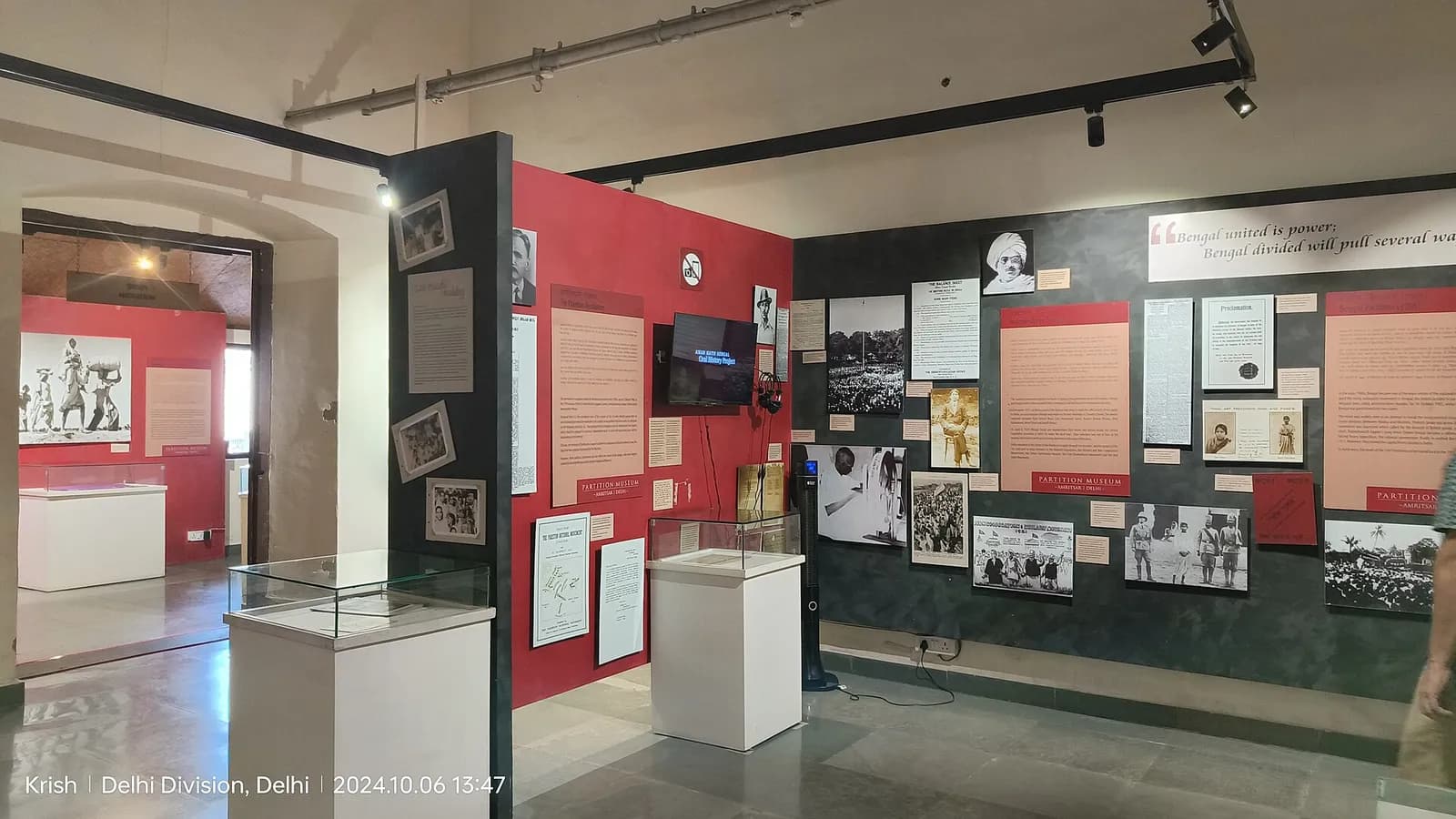
The building's most moving dimension today is its role as the Delhi Partition Museum, the second such museum in India, which gives this ancient structure a powerful contemporary purpose. Housed in the restored interior, the museum chronicles the mass displacement of 1947, when the partition of the subcontinent uprooted millions, through a series of distinct, interactive galleries. Its exhibits are organised to carry the visitor through the human story of that upheaval:
- The timeline displays. Walkways that map out the socio-political movements leading to independence and partition, the drawing of the boundary lines and the vast migration that followed.
- Material memory exhibits. Deeply poignant personal belongings donated by those who lived through partition and carried them across the new borders, such as an original India-Pakistan passport, a sewing machine used to rebuild a livelihood, family heirloom jewellery boxes and ration cards from refugee camps.
- The gallery of hope and courage. A final wing of oral history recordings, video archives and interactive art tracing how displaced families resettled and helped rebuild the fabric of modern Delhi.
The museum is a profoundly affecting experience, telling one of the most momentous and painful stories of modern South Asian history through intimate, human objects and voices rather than dry facts and doing so within a building that has itself witnessed centuries of the city's upheavals. There is a deep resonance in a structure built by a prince who dreamed of reconciliation now housing a museum to one of the subcontinent's great divisions. For the visitor, the museum is the heart of a modern visit and it is worth allowing time to move slowly through its galleries and take in the personal stories they hold. Photography is not permitted inside, which helps preserve the quiet, solemn atmosphere the subject deserves.
What to expect at the Dara Shikoh Library Building
A visit here is quiet, reflective and rich in both history and feeling and knowing what to expect helps you make the most of it. The building sits inside the active, leafy academic courtyard of Ambedkar University at Kashmere Gate, so the approach is through a working campus rather than a conventional tourist gate and the setting is calm and green, a world away from the bustle of the surrounding old city. The visit has two aspects: appreciating the building itself, its hybrid Mughal and colonial architecture and its remarkable story and going through the Delhi Partition Museum within it, which is the main draw for most visitors today. Allowing about one to one and a half hours lets you take in both without hurrying.
Because the museum sits deep inside a university campus, there is an access protocol to be aware of: visitors must present a valid government-issued photo ID at the Ambedkar University gate to receive an entry token, so carry your ID. Inside the galleries, photography and videography are not permitted, both to preserve the fragile archival materials and to maintain the quiet, respectful atmosphere the Partition story calls for. There is no visitor parking within the university gates, so arriving by public transport, above all the nearby metro, is effectively essential. The overall experience is one of thoughtful, unhurried engagement, with a historic building and a moving museum, rather than a quick monument stop. Come with your ID, during opening days, ready to spend an hour or more and the building offers one of the most substantial and affecting heritage experiences in old Delhi.
Dara Shikoh Library timings and entry
The Dara Shikoh Library Building, home to the Delhi Partition Museum, is open Tuesday to Sunday from 10:00 AM to 5:00 PM and is strictly closed every Monday and on the major national holidays of 26 January, 15 August and 2 October. Entry is completely free, provided under the municipal Adopt a Heritage initiative, so there is no ticket charge. However, because the building sits deep inside the active Ambedkar University campus, there is an access protocol: visitors must present a valid government-issued photo ID at the university gate to receive an entry token, so carrying your ID is essential. Inside the galleries, photography and videography are strictly prohibited, to protect the fragile archival materials and preserve the solemn atmosphere. There is no visitor vehicle parking inside the university gates, so arriving by public transport is effectively mandatory. A visit takes about one to one and a half hours. These timings and rules are current at the time of writing and can vary, so reconfirm before making a special trip and always carry a photo ID.
Visitor guidelines
Because the building is both a heritage site and an active campus museum, a few points help the visit go smoothly:
- Carry a government photo ID. You must show it at the university gate to receive an entry token for the museum.
- Visit Tuesday to Sunday. It is closed on Mondays and on 26 January, 15 August and 2 October.
- Come by public transport. There is no visitor parking inside the gates, so the metro is the practical option.
- Do not photograph the galleries. Photography and videography are not allowed inside, to protect the exhibits and the atmosphere.
- Allow an hour or more. The Partition Museum rewards an unhurried visit through its galleries.
- Be respectful. The subject matter is sombre and moving, so move quietly through the exhibits.
Observing these points, above all remembering your photo ID and coming on an open day, is the key to a smooth visit, since the campus access and timing rules catch out unprepared visitors more than anything else. Planned properly, the building rewards you with a rare combination of layered architecture and one of the city's most moving museums, in a calm campus setting.
Best time to visit the Dara Shikoh Library Building
The best time to visit is the cooler months, from October to March, on any open day from Tuesday to Sunday, ideally in the morning or early afternoon to allow unhurried time in the galleries before the 5:00 PM closing. A pleasant winter day is ideal, with comfortable weather for walking through the campus and the building. Avoid Mondays and the three national holidays when it is closed and remember the slightly early 5:00 PM close, so arriving by mid-afternoon at the latest is wise. The summer is hot and the monsoon humid, though the museum is indoors, so the season matters less than the opening days and your own comfort walking to and around the campus. Allow at least an hour and combine it with the nearby Kashmere Gate heritage. Our guide to the best time to visit Delhi sets out the seasons across the city in more detail.
How to reach the Dara Shikoh Library (nearest metro)
The Dara Shikoh Library Building is on Lothian Road, inside the Kashmere Gate campus of Dr B R Ambedkar University in Old Delhi and it is easy to reach by metro. The nearest station is Kashmere Gate, one of the city's largest interchange nodes connecting the Red, Yellow and Violet Lines, which places it within reach of almost anywhere in Delhi. From the station, take the exit at Gate No. 7 and it is a comfortable eight to ten minute walk straight down Lothian Road to the university entrance, where you present your photo ID for an entry token. Because there is no visitor parking inside the campus, the metro is effectively the essential way to arrive. Set right in the historic heart of the Kashmere Gate district, the building pairs naturally with a heritage-focused New Delhi tour or a broader Delhi day tour that takes in the old city and its layered history.
Places to visit near the Dara Shikoh Library Building
The Dara Shikoh Library Building sits at Kashmere Gate in the historic north of the city, amid the colonial heritage of Civil Lines and old Delhi, so it combines beautifully with the surrounding sites on a heritage walk. It is within walking distance of St James Church and Nicholson Cemetery, with which it forms a rich Kashmere Gate heritage cluster. A short ride south brings you to the mighty Red Fort, the great Mughal citadel and the old fort of Purana Qila, while the historic citadel of Feroz Shah Kotla, with its Ashoka pillar, lies nearby.
The ceremonial heart of New Delhi, with India Gate and the great circle of Connaught Place, is a manageable ride away and the capital's other landmarks round out a full picture of the city: the serene Humayun's Tomb, resting place of Dara Shikoh himself, the towering Qutub Minar and the modern marvels of the Lotus Temple and Akshardham. For more layered history, the ancient stepwell of Agrasen ki Baoli, the astronomical Jantar Mantar and the historic Hauz Khas Fort complete the sweep of Delhi's past.
The Dara Shikoh Library in your Delhi itinerary
For most visitors, the Dara Shikoh Library Building works well as a substantial stop within a Kashmere Gate and Old Delhi heritage outing, given that the building and its Partition Museum together deserve an hour or more and reward an unhurried visit. The natural pairing is with the other Kashmere Gate heritage, St James Church and Nicholson Cemetery, all within walking distance, which together make a rich half-day of colonial and modern history in the historic north of the city. It is a stop for travellers with a genuine interest in history, in Mughal and colonial Delhi and in the deeply human story of Partition, rather than for those chasing only the headline monuments and it rewards coming prepared with a photo ID and a knowledge of Dara Shikoh's story.
If Delhi is your gateway to the wider Golden Triangle, the Dara Shikoh Library Building offers a uniquely layered perspective on the city, from the lost world of a scholarly Mughal prince, through the colonial transformation of the building, to the moving modern story of Partition, all in one structure. Many of my history-minded guests find the combination of the prince's tragic story, the building's extraordinary journey and the Partition Museum's human exhibits unexpectedly powerful and it adds a thoughtful, substantial note to a Delhi exploration before the journey on to Agra and Jaipur, where Dara Shikoh's father built the Taj Mahal.
Travel tips for visiting the Dara Shikoh Library Building
A few pointers make the visit smoother and more rewarding:
- Carry a photo ID, which you must show at the university gate for an entry token.
- Visit Tuesday to Sunday, avoiding Mondays and the national holidays of 26 January, 15 August and 2 October.
- Come by metro, as there is no visitor parking inside the campus.
- Know the story first, Dara Shikoh the scholar-prince, the building's many lives and Partition, as they are the heart of the visit.
- Do not photograph the galleries, where photography is not allowed.
- Allow an hour or more and arrive by mid-afternoon to beat the 5:00 PM close.
- Pair it with St James Church and Nicholson Cemetery for a full Kashmere Gate heritage walk.
- Reach it via Kashmere Gate metro, Gate No. 7, an 8 to 10 minute walk.
If you would like a local guide to build the Dara Shikoh Library and the Kashmere Gate heritage into a wider Delhi plan, message our team on WhatsApp at +91 7302265809 with your travel dates and group size and we will shape the day for you.
Is the Dara Shikoh Library Building worth visiting?
For history lovers and those drawn to Delhi's layered, lesser-known heritage, yes, it is a genuinely rewarding and moving stop. There are few buildings anywhere with so remarkable a story, a Mughal prince's library turned Portuguese governess's home, British Residency, string of schools and offices and finally a restored Partition museum, with its very walls layering Mughal and colonial architecture. The Delhi Partition Museum it now holds is deeply affecting, telling one of modern South Asia's greatest stories through intimate personal objects and the memory of the scholarly, tolerant Dara Shikoh gives the whole place a special poignancy. Entry is free. The honest note is that it requires a little planning, a photo ID, the right days, arrival by metro and it is a reflective, museum-focused heritage visit rather than a grand monument to photograph, with no interior photography allowed. But for the curious, history-minded traveller, especially one who comes prepared, it is one of the most substantial and thought-provoking places in old Delhi and I find it a stop that stays with people.
Plan your trip with us
At Experience My India, through our Delhi and Golden Triangle travel desk, we design unhurried, well paced trips that make room for substantial, history-rich stops like the Dara Shikoh Library Building and its Partition Museum, not just the headline monuments and we know how to handle the access details and interpret the layered stories. Whether you want a relaxed set of Delhi Agra tours or a full Golden Triangle route through Delhi, Agra and Jaipur, we plan around your pace, your interests and the right season, with local guides who know the history. Share your dates and the kind of trip you have in mind through our enquiry page, tell us your group size and we will put together an honest, tailored plan rather than a rushed checklist.
Related guides
- Places to visit in Delhi, for the wider picture
- Hidden places to visit in Delhi, the city's quieter corners
- Nearby places to visit in Delhi, to extend your trip
Enquire Now
Ready to Explore
The Heart of Delhi?
Explore the Red Fort, Qutub Minar, Humayun's Tomb, and the vibrant streets of Old Delhi with our expert-guided premium tours of India's capital city.

Delhi
Premium Tour Package
Questions
Frequently asked questions
What are the timings of the Dara Shikoh Library Building?
It is open Tuesday to Sunday, 10:00 AM to 5:00 PM and closed on Mondays and on 26 January, 15 August and 2 October. Allow about an hour to an hour and a half. Reconfirm before a special trip.
What is the entry fee for the Dara Shikoh Library?
What is inside the Dara Shikoh Library Building now?
Who was Dara Shikoh?
Which is the nearest metro station to the Dara Shikoh Library?
Can I take photos inside?
Why is the building architecturally unusual?
Is the Dara Shikoh Library Building worth visiting?
Explore more
Plan your Dara Shikoh Library trip with us

Interested in Dara Shikoh Library Building Delhi: History, Timings and Guide?
Chat with our travel team for a custom quote, or browse every package.
Related Attractions
9Ready to explore Dara Shikoh Library Building Delhi: History, Timings and Guide?
Book your private tour today and experience the magic of India's rich heritage.