

National Science Centre Delhi: Timings, Tickets and Guide
Visiting the National Science Centre in Delhi? Timings, ticket price, the dinosaur gallery, hands-on exhibits, shows, nearest metro and the best time to visit.
In a Nutshell
“The National Science Centre in Delhi, near Pragati Maidan, is one of the largest science museums in Asia, a hands-on, interactive centre spread across five floors with galleries on everything from dinosaurs to space, plus high-tech 3D and holographic shows. Opened in 1992 and run under the Ministry of Culture, it is designed for play-based learning, so children can touch and try the exhibits. It charges a modest ticket, is open daily from 9:30 AM to 6:00 PM and is reached from the Supreme Court metro station. It features on our Delhi tours, run by a unit of Experience My India.”
The National Science Centre is one of Delhi's most engaging family attractions, a vast, interactive science museum where children and adults alike can spend hours among animatronic dinosaurs, optical illusions, space exhibits and hands-on experiments. In a city rich with history, it is a refreshing, future-facing day out. Our team at Delhi Agra Tour Packages often suggests it for families and it slots easily into a wider Golden Triangle tour through the capital.
I am Abhay Sharma, Delhi born and a Golden Triangle guide since 2015 and I love sending families with children here, because few places entertain and educate young visitors so well. This guide gathers everything I would tell a visitor beforehand, checked against current information, including the timings, the ticket price, the galleries and how to reach it.
Details
National Science Centre Delhi at a glance
| Detail | Information |
|---|---|
| Location | Near Bhairon Marg, Pragati Maidan, New Delhi |
| Opened | 1992 |
| Run by | The National Council of Science Museums, Ministry of Culture |
| Known for | One of Asia's largest science centres, hands-on exhibits |
| Layout | Five floors of thematic galleries, plus shows |
| Entry | A modest ticket; shows charged separately |
| Nearest metro | Supreme Court (Blue Line), about 2 km |
| Time needed | About 3 to 4 hours |
National Science Centre timings
| Detail | Information |
|---|---|
| Open | 9:30 AM to 6:00 PM, daily |
| Open on weekends | Yes, open Saturdays and Sundays |
| Closed | Holi and Diwali |
The centre is open daily from 9:30 AM to 6:00 PM, including weekends and stays closed only on the festivals of Holi and Diwali. Timings can change, so reconfirm and arrive by early afternoon at the latest, since the interactive five floors easily fill three to four hours.
National Science Centre ticket price
| Item | Fee (at the time of writing, reconfirm) |
|---|---|
| General public, standard galleries | Around ₹70 to ₹80 per person |
| School groups with authority letter | A concessional rate of about ₹30 per student |
| 3D Cinema, Holo Show, Science on a Sphere | Around ₹25 to ₹40 per show, extra |
How to reach the National Science Centre
| From | Route |
|---|---|
| Supreme Court metro (Blue Line) | About 2 km, a short 5 minute auto to Gate 1 |
| Pragati Maidan and Purana Qila | A few minutes away by auto or on foot |
| India Gate and central Delhi | A short auto or taxi ride |
| By cab or auto | Drops at the Gate 1 entrance; paid parking on site |
What is the National Science Centre Delhi?
The National Science Centre is a large interactive science museum in central New Delhi, near the Pragati Maidan exhibition grounds and one of the largest science centres in all of Asia. It is a constituent unit of the National Council of Science Museums, an autonomous body under the Ministry of Culture and it was designed as a pioneer of hands-on science education in India, moving away from the traditional do not touch museum towards active interaction and play-based learning. Spread vertically across five floors of thematic galleries, which visitors explore via an ascending ramp, it covers the sweep of science from India's ancient heritage to the cutting edge of technology, with animatronic dinosaurs, interactive physics playgrounds, space exhibits and high-tech shows along the way.
Several things make it special and they are worth drawing out:
- One of Asia's largest science centres. A vast, five floor museum covering the full span of science and technology.
- Hands-on, not hands-off. Designed for active interaction and play-based learning, so children can touch, try and experiment.
- A famous dinosaur gallery. A hugely popular Prehistoric Life gallery with animatronic dinosaurs that delights children.
- High-tech shows. Ticketed 3D cinema, holographic presentations and a Science on a Sphere global projection.
- An interactive physics playground. The Fun Science gallery, with a mirror maze, optical illusions and more.
It is one of the most engaging and educational of the things to do in Delhi for families and a lively modern complement to the historic important monuments of Delhi.
History of the National Science Centre
The National Science Centre was opened to the public in 1992, inaugurated by the then Prime Minister of India, P. V. Narasimha Rao, as part of a national effort to promote the public understanding of science. It was established as a constituent unit of the National Council of Science Museums, the autonomous body under the Ministry of Culture that runs science museums and centres across the country and from the start it was conceived as a flagship institution, one of the largest science centres in Asia. Its guiding idea was ahead of its time in India: rather than displaying scientific objects behind glass with a do not touch sign, it was built around hands-on, interactive exhibits that invite visitors, especially children, to engage actively, to press buttons, turn handles, solve puzzles and learn through play.
Over the decades since, the centre has grown and updated its galleries to keep pace with science, adding exhibits on emerging fields and refreshing its displays, while remaining true to its founding mission of making science accessible, engaging and fun. It has introduced generations of Delhi schoolchildren to the wonders of science and it remains one of the capital's most popular educational outings. Knowing this history, that the centre was a pioneer of interactive science learning in India, helps explain why it feels so different from a traditional museum: here, touching the exhibits is not just allowed but encouraged, which is exactly what makes it such a hit with young visitors.
Galleries at the National Science Centre (floor by floor)
The heart of the centre is its series of thematic galleries, spread across five floors and explored via an ascending ramp, each devoted to a different field of science. Together they take you on a journey from ancient Indian science to the frontiers of modern technology.
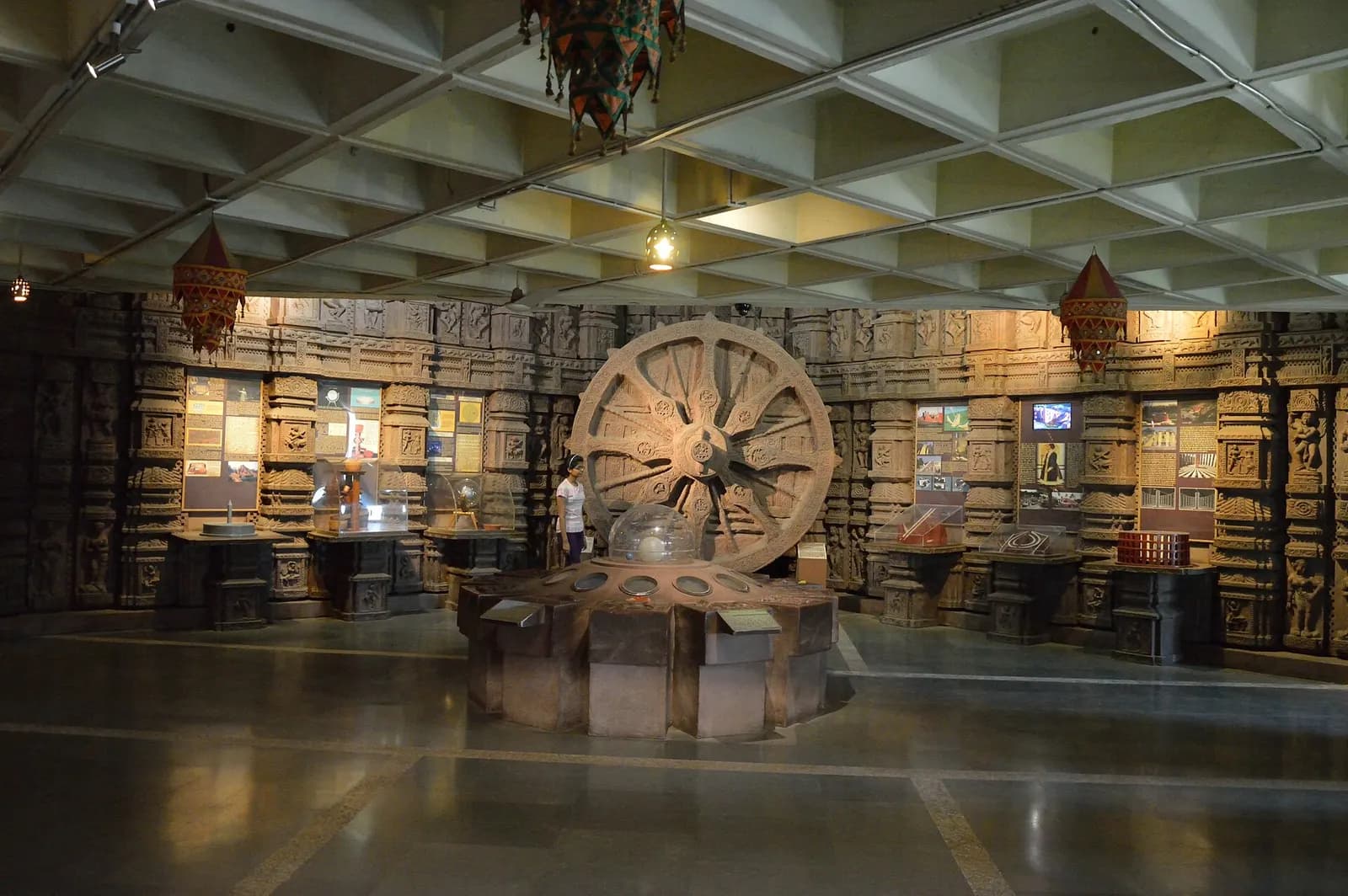
- Heritage of Indian Science and Technology. A gallery showcasing India's long history of scientific thought, from Harappan town planning and the mathematical concept of zero to metallurgy and the astronomy of the Jantar Mantar.
- Information Revolution. Traces the evolution of communication, from cave paintings and the printing press to microchips, satellites, the internet and digital security.
- Prehistoric Life. A hugely popular gallery of animatronic dinosaurs, giant ancient creatures and immersive habitat setups recreating the age of the dinosaurs.
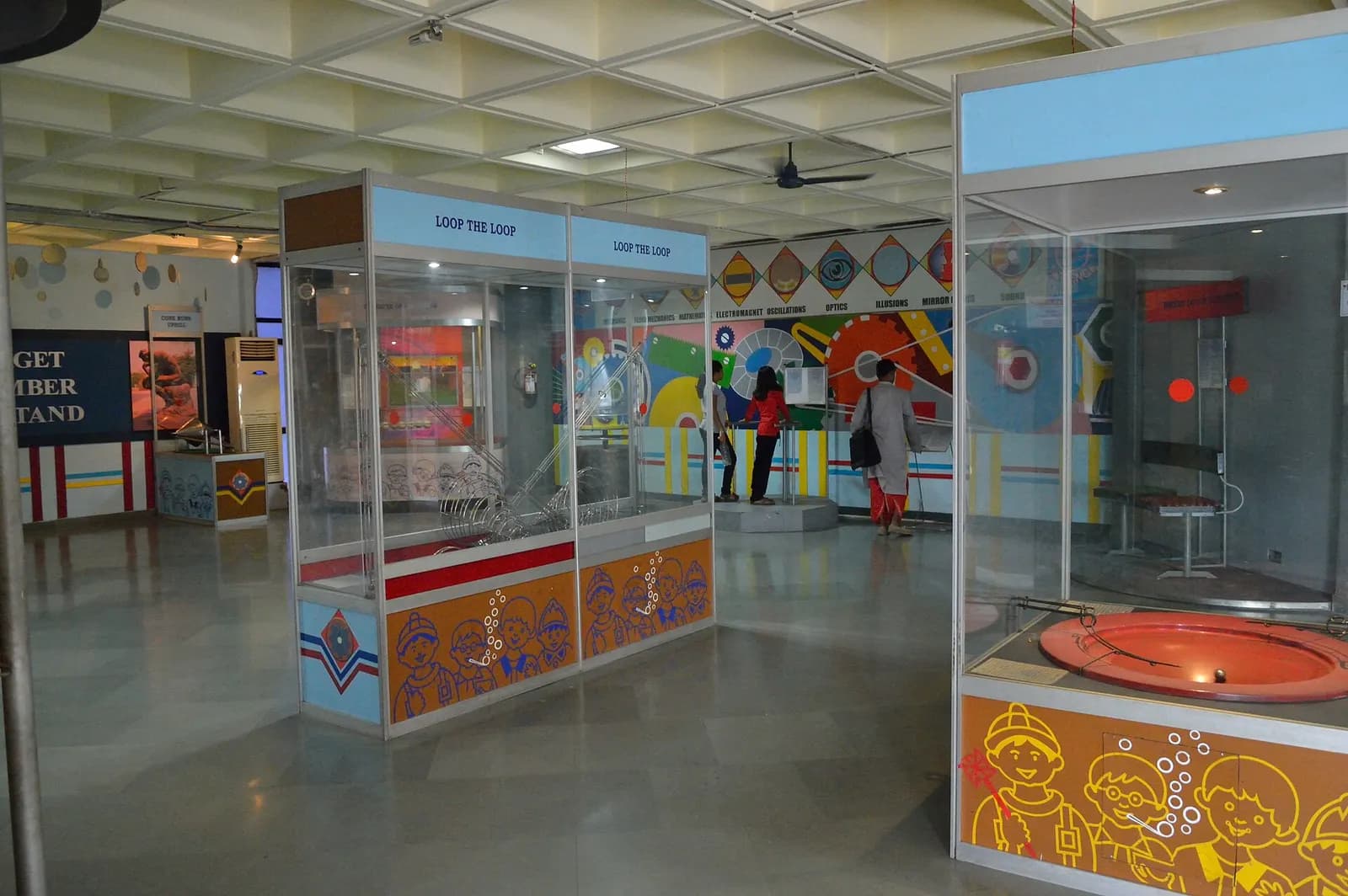
- Fun Science. A completely interactive playground of practical physics, optics and mechanics, with a mirror maze, optical illusions, a rolling ball track and more.
- Emerging Technologies. Explores the frontiers of science, from genetic engineering and nanotechnology to space exploration, oceanography and renewable energy.
- Water, the Elixir of Life. Features a digital walkway across a virtual interactive pond, teaching about water conservation, rivers and clean water.
As you climb the ramp from gallery to gallery, the experience moves from India's scientific past to the technologies of the future, so a full visit is both a tour of science and a genuinely fun day out. The iconic Energy Ball exhibit in the central foyer, where large nylon balls roll down twisting, gravity-defying tracks to demonstrate energy conversion, is a memorable welcome that sets the interactive tone from the moment you enter.
The dinosaur gallery and Prehistoric Life
Ask any child what they remember from the National Science Centre and the answer is often the dinosaurs. The Prehistoric Life gallery is one of the most popular sections of the whole museum, filled with animatronic dinosaurs that move and roar, alongside models of giant ancient creatures such as oversized scorpions, set within immersive recreations of prehistoric habitats from the age of the dinosaurs. For young visitors it is pure wonder, bringing the distant past vividly to life in a way no textbook can and it is often the highlight that fixes the whole visit in a child's memory. The gallery blends entertainment with real learning, teaching about evolution, extinction and the deep history of life on Earth through exhibits that children actually want to look at. Even adults find animatronic dinosaurs good fun. If you are visiting with children, this is the gallery not to miss and it is worth timing your visit so that young ones have plenty of energy left to enjoy it fully rather than rushing it at the end of a tiring day.
Fun Science and the hands-on exhibits
The gallery that best captures the spirit of the whole centre is Fun Science, a completely interactive playground dedicated to practical physics, optics and mechanics, where learning happens through play. Here children and plenty of adults, can lose themselves among exhibits that make scientific principles tangible and entertaining. The highlights include a mirror maze that disorients and delights, a rolling ball track demonstrating motion and gravity, a whole array of optical illusions that trick the eye, a giant harp played with invisible strings of light and a gravity well that sends coins spiralling in a mesmerising demonstration of orbital motion. The joy of the gallery is that nothing is behind glass: you are meant to touch, try and experiment, discovering how things work by doing rather than merely reading. It is this hands-on philosophy, pioneered here in India, that makes the centre so effective and so popular, turning abstract science into something you can feel and play with. For families, Fun Science is often where the most laughter and the most unexpected learning happen together.
The multimedia shows at the National Science Centre
Beyond the standard galleries, the centre hosts several high-tech multimedia shows through the day, which are ticketed separately and well worth adding to a visit:
- 3D Space Cinema. Educational short films projected with specialised 3D visuals, viewed with 3D glasses, bringing space and science vividly to life.
- Holo Show. High-definition 3D holographic presentations that reveal complex subjects such as atomic structures and biological cells in striking three-dimensional detail.
- Science on a Sphere. A state-of-the-art global projection system that displays animated planetary atmospheres, weather patterns and Earth science onto a large suspended sphere.
Each of these requires a separate inside ticket, at the time of writing a modest additional charge per show, so it is worth checking the show timings when you arrive and planning your route through the galleries around the ones you want to see. The shows add a memorable, immersive dimension to the visit and are especially popular with children, so if your budget and time allow, including one or two of them makes the day more complete. Because they run to a schedule, it pays to note the timings early in your visit.
Things to see at the National Science Centre
A visit is a journey up through the galleries, with the shows and the foyer exhibit along the way and the highlights are worth seeking out:
- The Energy Ball. The iconic foyer exhibit of balls rolling down twisting tracks, a memorable welcome.
- Prehistoric Life. The animatronic dinosaur gallery, the favourite of most children.
- Fun Science. The interactive physics playground, with the mirror maze, optical illusions and more.
- Heritage and Emerging Technologies. The galleries bookend science from ancient India to the cutting edge.
- The multimedia shows. The 3D cinema, Holo Show and Science on a Sphere, for an immersive extra.
Allow three to four hours to do the five interactive floors justice, more if you take in several shows. Because so much here is hands-on, children in particular will want time to play rather than just look, so do not rush it.
What to expect at the National Science Centre
A visit to the National Science Centre is busy, hands-on and energetic and knowing what to expect helps you plan it well. You enter near Gate 1, buy your ticket and any show tickets and are greeted in the central foyer by the Energy Ball exhibit, whose balls rolling down twisting tracks immediately signal that this is a museum to interact with rather than merely observe. From there the ascending ramp leads you up through the floors, gallery by gallery, so the route is easy to follow and you are unlikely to miss a section. The atmosphere, especially at weekends and during term time, is lively, often filled with excited schoolchildren and families, so it is cheerful and loud rather than hushed, which suits its playful, hands-on character.
Most visitors work their way up the ramp, pausing longest at the dinosaur gallery and Fun Science, slotting in a show or two around the galleries and breaking at the cafeteria when energy flags. Because so many exhibits are interactive, children tend to dash from one to the next, pressing, pulling and experimenting and a good deal of real learning happens almost by stealth amid the fun. The centre is large and a full visit is genuinely tiring, so pacing matters, particularly with young children. Many families arrive expecting a quick look and end up staying the best part of a day, drawn in gallery after gallery. It is one of the few Delhi attractions where children lead the way and parents follow and that, more than anything, is what makes it such a success. Come ready to join in rather than just to watch.
Why the National Science Centre is great for children
Among all of Delhi's attractions, the National Science Centre stands out as one of the most reliably rewarding for children and it is worth understanding why it works so well. Young visitors who tire of monuments and long explanations are in their element here, because the whole museum is built around doing rather than looking: they can touch the exhibits, trigger reactions, solve puzzles and watch dinosaurs move, so science becomes play. The variety keeps them engaged, from the thrill of the Prehistoric Life gallery to the baffling delights of the mirror maze and optical illusions in Fun Science and the shows add a dose of spectacle. Crucially, the learning is real: children come away having absorbed ideas about energy, motion, communication, evolution and the environment without ever feeling lectured. For parents, it is a rare stop where the children are genuinely absorbed and happy for hours and where screen time is replaced by hands-on curiosity. It is exactly the kind of place that balances a Delhi itinerary otherwise full of forts and tombs and it is why I so often suggest it to guests travelling with children.
National Science Centre timings and ticket price
The National Science Centre is open daily from 9:30 AM to 6:00 PM, including Saturdays and Sundays and it stays closed only on the festivals of Holi and Diwali, so unlike many Delhi museums it has no weekly closed day. The entry ticket for the standard galleries is modest, at the time of writing around ₹70 to ₹80 per person for the general public, with a concessional rate of about ₹30 per student for school groups carrying an authority letter. The multimedia shows, the 3D Cinema, Holo Show and Science on a Sphere, require separate inside tickets, at the time of writing roughly ₹25 to ₹40 per show. Paid multi-tier parking is available inside the complex. These figures are current at the time of writing and can be revised, so reconfirm at the counter and budget a little extra for the shows and any snacks. Allow three to four hours for a comprehensive visit across the five floors. As with all timings and prices, treat these as a current guide and reconfirm before a special trip.
Rules and facilities at the National Science Centre
The centre is a well equipped, family friendly institution and knowing its facilities and a few practicalities helps you plan a comfortable visit:
- Plan for the shows. The 3D Cinema, Holo Show and Science on a Sphere run to timings and need separate tickets, so check them on arrival.
- Souvenir shop. A large shop sells do-it-yourself science model kits and educational toys, popular with children.
- Cafeteria. A large cafeteria serves hot north Indian meals and snacks, useful on a long visit.
- Auditorium. A dedicated auditorium hosts student workshops and science activities.
- Parking. Paid multi-tier vehicle parking is available inside the complex gates.
Because a full visit takes several hours and much of it is active and hands-on, it is worth arriving with energy and time to spare, keeping children hydrated and fed via the cafeteria and pacing the galleries so the most popular sections, the dinosaurs and Fun Science, are enjoyed when everyone is still fresh. The centre is geared towards families and school groups, so it is set up to be easy and welcoming for visitors with children.
Best time to visit the National Science Centre
The best time to visit is a weekday morning, soon after the 9:30 AM opening, when the centre is least crowded and you have the clearest run of the galleries and the shortest queues for the shows. Weekend afternoons can get exceptionally busy, especially with school excursions, so if you can only come at the weekend, aim for the morning. Because the centre is indoors, it is a comfortable choice year round and an excellent option on a hot or rainy day when the open air monuments are less appealing. In terms of season, the cooler months from October to March are the most pleasant for getting around central Delhi generally. A weekday morning visit, allowing three to four hours and arriving with children well rested, is close to ideal. Our guide to the best time to visit Delhi sets out the seasons across the city in more detail.
How to reach the National Science Centre Delhi (nearest metro)
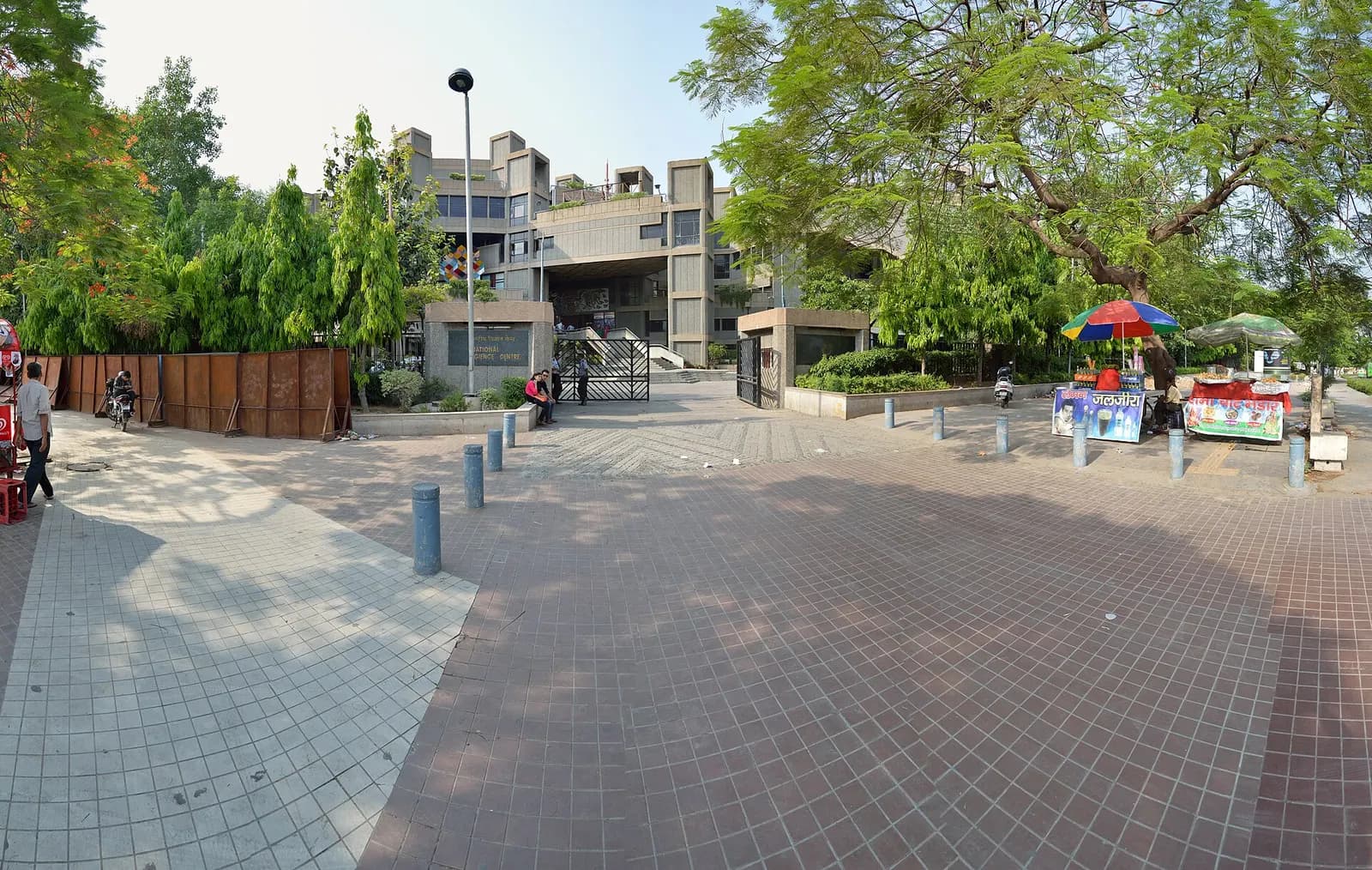
The National Science Centre stands near Bhairon Marg beside the Pragati Maidan complex in central New Delhi and it is easy to reach. The nearest metro station is Supreme Court on the Blue Line, formerly known as Pragati Maidan station, about two kilometres away, from which a short five minute auto-rickshaw ride brings you directly to the Gate 1 entrance. The centre sits right next to the Pragati Maidan exhibition grounds and very close to the historic Purana Qila, so it combines naturally with that old fort. App cabs and autos can drop you at the Gate 1 entrance and there is paid multi-tier parking inside the complex if you drive. Being central, it slots neatly into a plan of the city and a guided New Delhi tour can fold it in alongside the surrounding landmarks, while a broader Delhi day tour ties it into the full span of the capital.
Places to visit near the National Science Centre
The National Science Centre sits in central Delhi beside Pragati Maidan, so it is easy to pair with nearby sights. The closest major monument is the old fort of Purana Qila, just beside it, which makes a natural companion for a half day of science and history together. The ceremonial India Gate and the serene Humayun's Tomb are also a short ride away, as is the mighty Red Fort and the old city.
A little further out, the central ring holds a cluster of further sights: the great circle of Connaught Place, the ancient stepwell of Agrasen ki Baoli, the astronomical Jantar Mantar, the much loved Pracheen Hanuman Mandir and the serene Bangla Sahib Gurudwara, while the great landmarks of the Qutub Minar, the Lotus Temple and Akshardham round out the city. Together these make the centre a fun central anchor for exploring Delhi.
The National Science Centre in your Delhi itinerary
For most visitors, the National Science Centre works best as a half day on its own or a long morning and it is an especially smart choice for anyone travelling with children, who can easily spend three to four hours among the interactive galleries and shows. It pairs naturally with the adjacent Purana Qila for a mix of science and history or it can be a dedicated family outing in its own right. Being indoors, it also makes an ideal refuge from the heat or the rain between outdoor monuments. A sensible plan is to arrive at the opening, enjoy the galleries and a show or two while everyone is fresh, break for lunch at the cafeteria and finish by early afternoon before the weekend crowds peak. Those on a fuller itinerary often slot it in as a change of pace from the historic sites.
If Delhi is your gateway to the wider Golden Triangle, the National Science Centre adds a modern, interactive dimension to a trip otherwise rich in forts and tombs, a lively, future-facing counterpoint that children in particular love. Many of my guests travelling with families say it was the stop their kids enjoyed most in Delhi and it offers a fun, energising contrast before the journey on to the monuments of Agra and Jaipur.
Travel tips for visiting the National Science Centre
A few pointers make the visit smoother and more rewarding:
- Come on a weekday morning, soon after the 9:30 AM opening, to beat the school crowds.
- Allow 3 to 4 hours, as the five interactive floors take time to enjoy.
- Check the show timings on arrival and buy the separate tickets for any you want.
- Bring the children, as this is one of Delhi's best family attractions.
- Enjoy the dinosaurs and Fun Science while fresh, as these are the highlights.
- Use the cafeteria for meals and snacks on a long visit.
- Come by metro, Supreme Court station then a short auto to Gate 1 or use the paid parking.
- Pair it with Purana Qila, right beside it, for a half day of science and history.
If you would like a local guide to build the National Science Centre into a wider Delhi plan, message our team on WhatsApp at +91 7302265809 with your travel dates and group size and we will shape the day for you.
Is the National Science Centre worth visiting?
For families with children, very much so. If you are travelling with young ones, it is one of the most rewarding stops in the whole city, a place where children are entertained and genuinely learning for hours, among dinosaurs, illusions, experiments and shows and the modest ticket makes it easy to include. For science lovers of any age it is engaging and substantial, one of Asia's largest science centres and even casual visitors find the hands-on exhibits good fun. The honest note is that it is a modern interactive museum rather than a historic monument, so travellers with very limited time who are focused on Delhi's heritage sights might prioritise those first; but for anyone with children or an interest in science, it is a genuinely excellent day out. For families especially, I recommend it warmly and guests travelling with children often rate it among their happiest Delhi memories.
Plan your trip with us
At Experience My India, through our Delhi and Golden Triangle travel desk, we design unhurried, well paced trips that make room for fun, family friendly stops like the National Science Centre, not just the headline monuments and we time indoor stops like this for the heat of the day so your schedule flows. Whether you want a relaxed set of Delhi Agra tours or a full Golden Triangle route through Delhi, Agra and Jaipur, we plan around your pace, your interests and the right season, with local guides who know how to keep every age happy. Share your dates and the kind of trip you have in mind through our enquiry page, tell us your group size and we will put together an honest, tailored plan rather than a rushed checklist.
Related guides
- Places to visit in Delhi, for the wider picture
- Hidden places to visit in Delhi, the city's quieter corners
- Nearby places to visit in Delhi, to extend your trip
Enquire Now
Ready to Explore
The Heart of Delhi?
Explore the Red Fort, Qutub Minar, Humayun's Tomb, and the vibrant streets of Old Delhi with our expert-guided premium tours of India's capital city.

Delhi
Premium Tour Package
Questions
Frequently asked questions
What are the timings of the National Science Centre Delhi?
It is open daily from 9:30 AM to 6:00 PM, including weekends and stays closed only on Holi and Diwali. Reconfirm, as timings can change.
What is the ticket price for the National Science Centre?
Which is the nearest metro station to the National Science Centre?
Is the National Science Centre open on weekends?
Does the National Science Centre have dinosaurs?
How much time do I need at the National Science Centre?
What are the shows at the National Science Centre?
Who opened the National Science Centre and when?
Is there parking at the National Science Centre?
Is the National Science Centre worth visiting?
Explore more
Plan your National Science Centre trip with us

Photo credits
Interested in National Science Centre Delhi: Timings, Tickets and Guide?
Chat with our travel team for a custom quote, or browse every package.
Related Attractions
9Ready to explore National Science Centre Delhi: Timings, Tickets and Guide?
Book your private tour today and experience the magic of India's rich heritage.