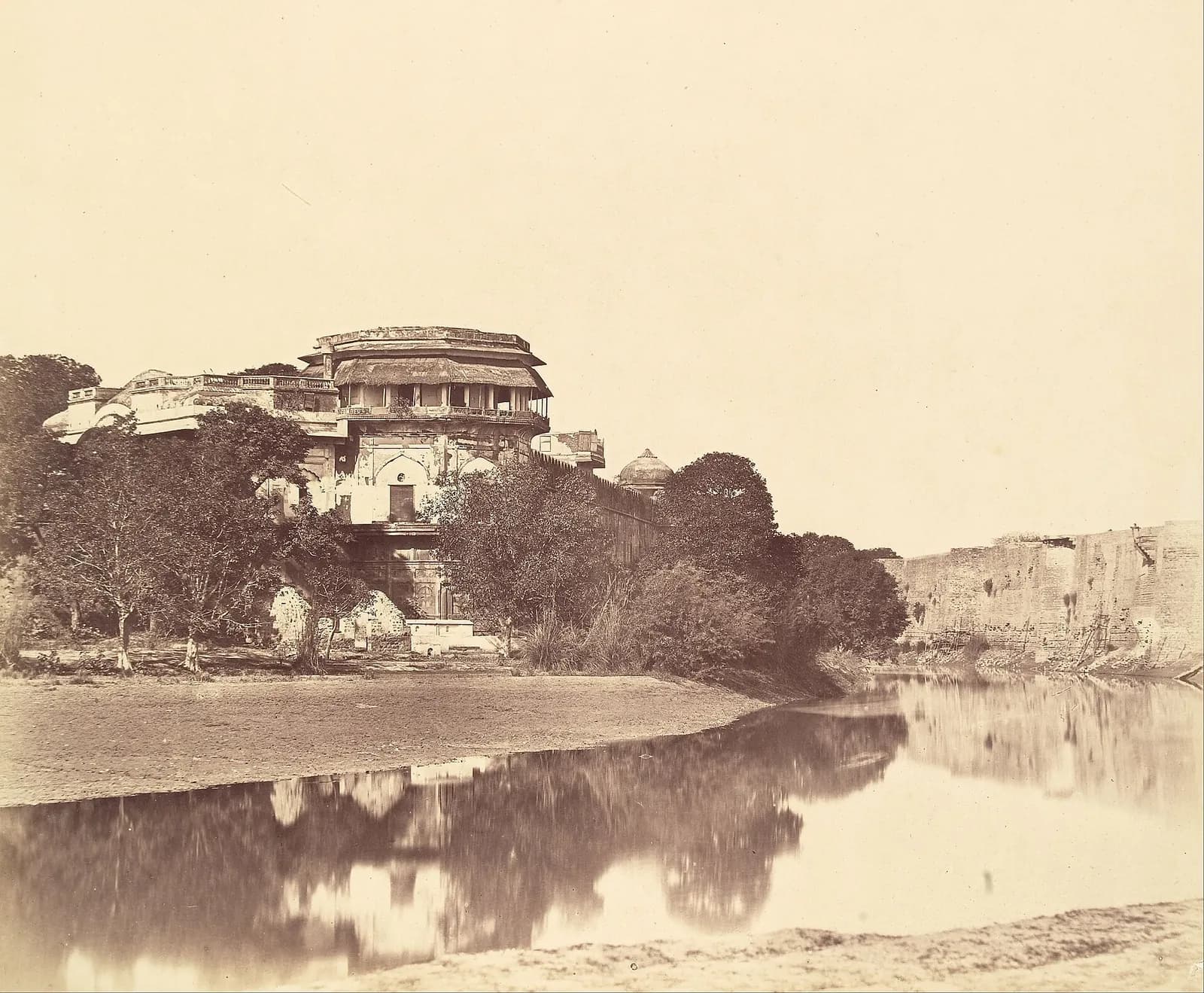
 Old Delhi, Delhi
Salimgarh Fort Delhi: History, Timings and Visitor Guide
Visiting Salimgarh Fort beside the Red Fort in Delhi? Its Suri origin, the INA prison and Red Fort Trials, timings, entry on the Red Fort ticket and metro.
Quick answer
Salimgarh Fort is a 16th-century island fortress on the northern edge of the Red Fort complex in Old Delhi, built in 1546 by Islam Shah Suri, son of Sher Shah Suri, to guard against Humayun retaking Delhi. Later absorbed into Shah Jahan's Red Fort, it served as a Mughal state prison under Aurangzeb and, under the British, as the jail where Indian National Army soldiers were held during the 1945 Red Fort Trials. It now holds a freedom-struggle museum. Entry is included in the Red Fort ticket, it is open daily and it is reached from Lal Qila or Chandni Chowk metro. It features on our heritage Delhi tours, run by a unit of Experience My India.
- #salimgarh-fort
- #delhi
- #salimgarh-fort-delhi
- #delhi-attractions
- #delhi-travel
Salimgarh Fort is one of Delhi's most atmospheric and overlooked historical sites, a quiet island fortress hidden within the Red Fort complex that carries a remarkable story from the Suri interregnum through the Mughals to the freedom struggle. For history lovers and those wanting to escape the Red Fort crowds, it is a rewarding stop. Our team at Delhi Agra Tour Packages often suggests crossing the bridge into Salimgarh as part of a Red Fort visit and it adds a deeper, quieter dimension to a wider Golden Triangle tour through the capital.
I am Abhay Sharma, Delhi born and a Golden Triangle guide since 2015 and I love bringing history-minded guests here, because while thousands crowd the main Red Fort, almost no one crosses into Salimgarh, which carries some of the most moving history in the whole complex. This guide gathers everything I would tell a visitor beforehand, checking against current information, including the history, the museum, the timings and how to reach it.
Salimgarh Fort at a glance
| Detail | Information |
|---|---|
| Location | Northern edge of the Red Fort complex, Old Delhi |
| Built | 1546, by Islam Shah Suri |
| Original purpose | An island fortress guarding against Humayun |
| Famous for | The Mughal prison and the 1945 INA Red Fort Trials |
| Now holds | The Swatantrata Senani Smarak freedom museum |
| Entry | Included in the Red Fort ticket |
| Nearest metro | Lal Qila or Chandni Chowk |
| Time needed | About 45 minutes to an hour |
Salimgarh Fort timings
| Detail | Information |
|---|---|
| Open | Daily, 9:30 AM to 4:30 PM |
| Access | Via the bridge from the Red Fort complex |
| Time needed | About 45 minutes to an hour |
Salimgarh Fort is open daily from 9:30 AM to 4:30 PM, accessed by crossing the arched bridge from within the main Red Fort complex and following recent conservation orders it is accessible on all weekdays. A visit, taking in the ramparts and the museum, takes about forty five minutes to an hour. These timings are current at the time of writing and can vary, so reconfirm before a special trip.
Entry fee
| Item | Information |
|---|---|
| Entry fee | Included in the standard Red Fort ticket |
| Indian citizens | Around 35 to 40 rupees for the Red Fort |
| Foreign tourists | Around 500 to 600 rupees for the Red Fort |
How to reach Salimgarh Fort
| From | Route |
|---|---|
| Lal Qila metro (Violet Line) | A short walk to the Red Fort ticketing plaza |
| Chandni Chowk metro (Yellow Line) | Also close, a short walk or auto to the Red Fort |
| Inside the Red Fort | Cross the northern arched bridge into Salimgarh |
| On foot | Allow for a walking loop of around 1.5 km inside |
What is Salimgarh Fort?
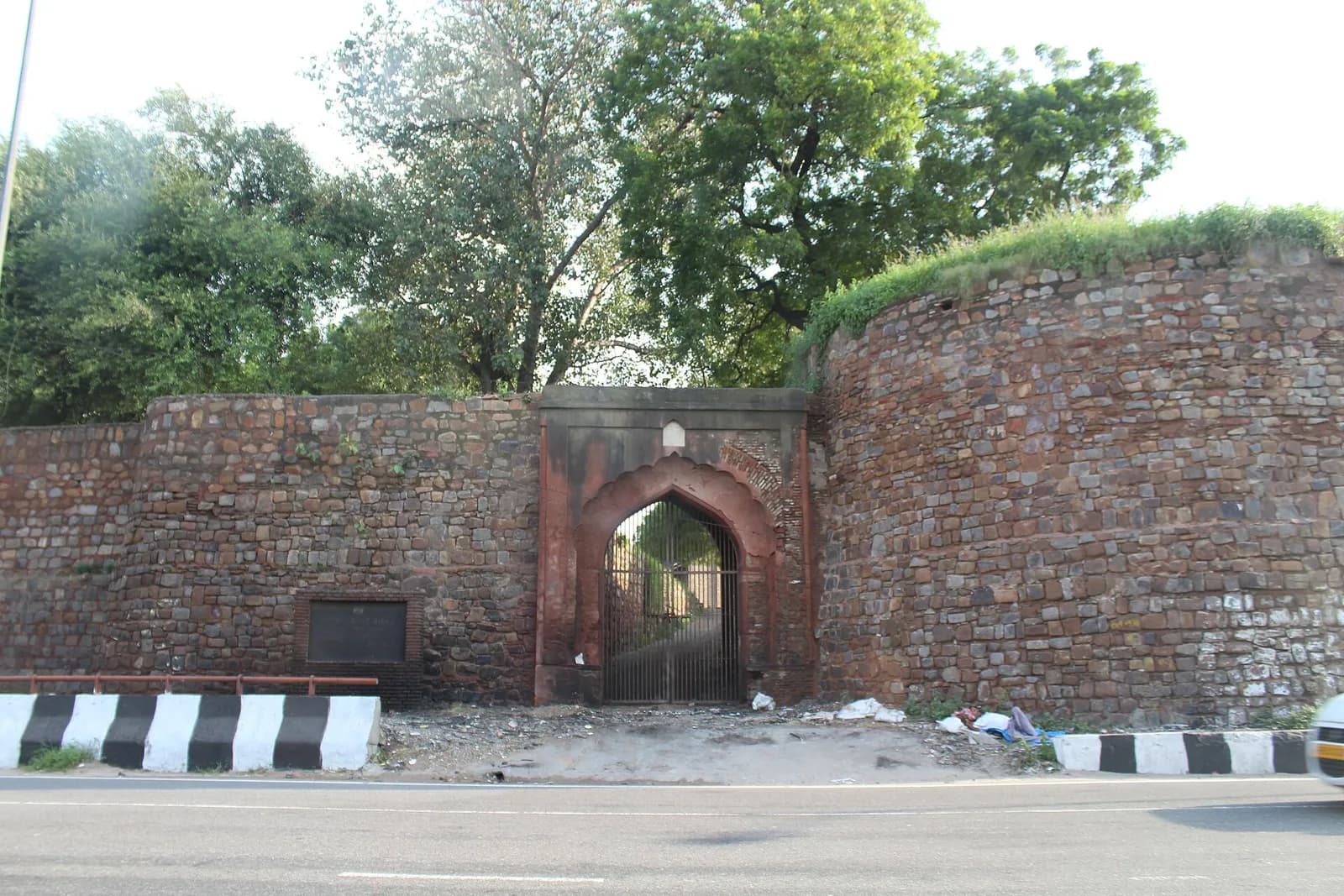
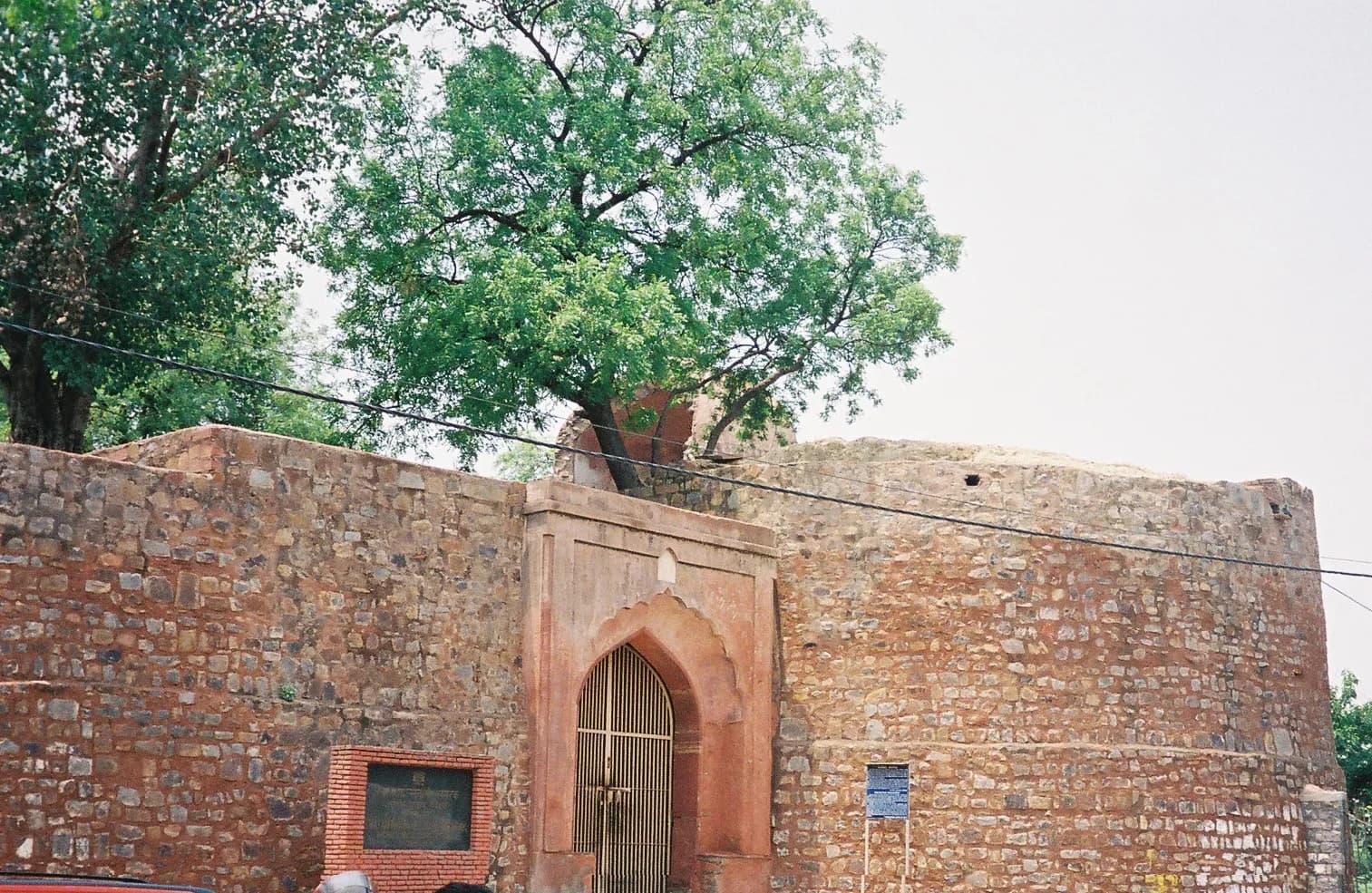
Salimgarh Fort is a historic 16th-century fortress on a former island in the Yamuna, now forming the northern part of the Red Fort complex in Old Delhi, with a history that spans the Suri dynasty, the Mughals and the Indian freedom struggle. Built in 1546 by Islam Shah Suri as an island stronghold to defend against the exiled emperor Humayun, it was later integrated into Shah Jahan's grand Red Fort, used by Aurangzeb as a high-security state prison and finally employed by the British as the jail where captured soldiers of Subhas Chandra Bose's Indian National Army were held during the famous 1945 Red Fort Trials. A stark, triangular fort of massive quartzite masonry, linked to the Red Fort by an arched bridge, it is today a remarkably quiet and atmospheric sanctuary within the busy complex, home to a freedom-struggle museum. Few visitors cross into it, which makes it one of the most peaceful and historically rich corners of the entire Red Fort.
Several things make it special and they are worth drawing out:
- A Suri-era island fort. Built in 1546 by Islam Shah Suri during the brief pause in Mughal rule, one of the few surviving Sur dynasty structures.
- Part of the Red Fort complex. Absorbed into Shah Jahan's Red Fort and entered on the same ticket, yet almost always empty.
- A Mughal state prison. Used by Aurangzeb to hold royal captives, including his own brother and his poet-daughter.
- The INA and the Red Fort Trials. The jail where Indian National Army soldiers were held during the historic 1945 trials, a landmark of the freedom struggle.
- A quiet freedom museum. Now home to the Swatantrata Senani Smarak, a museum honouring India's freedom fighters.
It is one of the most atmospheric and historically layered of the offbeat things to do in Delhi and a fascinating lesser-known entry among the important monuments of Delhi.
History of Salimgarh Fort
The history of Salimgarh Fort is a remarkable journey through several of the great chapters of Delhi's past, from the Afghan interregnum to the freedom struggle and it is the key to appreciating the site. Its story unfolds across distinct eras:
- The Suri origin, 1546. The fort was built by Islam Shah Suri, also called Salim Shah, son and successor of Sher Shah Suri, during the brief period when the Sur dynasty had ousted the Mughals, as an island stronghold in the Yamuna to prevent the exiled Humayun from retaking Delhi.
- The Mughal re-occupation. Humayun recaptured Delhi in 1555 and is said to have camped in this fort, briefly renaming it Nurgarh and when Shah Jahan built the Red Fort alongside it in 1639 he deliberately integrated Salimgarh into the defences of his new capital.
- The imperial prison. Aurangzeb converted the fort into a high-security state prison, where royal captives were held, including his brother Murad Baksh and his learned, independent-minded daughter, the poet princess Zeb-un-Nissa.
- The freedom struggle. The British continued using it as a military prison and it became most famous as the holding facility where captured soldiers of the Indian National Army were detained during the 1945 Red Fort Trials.
Taken together, this history makes Salimgarh a microcosm of the whole sweep of Delhi's past: an Afghan fort of the Sur interregnum, absorbed into the Mughal capital, turned into an imperial dungeon and finally bound up with the climax of the freedom struggle. Few single sites hold so many layers and each era left its mark on the place. For the visitor, knowing this story transforms a walk through the quiet fort into a journey across four centuries of Indian history, which is what makes Salimgarh so rewarding for those who take the time to cross the bridge into it.
The Suri origin and the Mughal connection
The fort's beginnings lie in one of the most dramatic episodes of 16th-century Indian history, the brief overthrow of the Mughals by the Afghan Sur dynasty. After Sher Shah Suri, the brilliant Afghan ruler, ousted the Mughal emperor Humayun and seized Delhi, his son and successor Islam Shah Suri built this fort in 1546 as a defensive measure, placing it on a high mound as an isolated island fortress in a channel of the Yamuna. Its core military purpose was strategic and specific: to guard against the exiled Humayun launching a counter-offensive to recapture the city, a threat that was very real at the time.
History, however, turned against the Suris. Humayun did return, recapturing Delhi in 1555 and tradition holds that he camped inside this very fort for three days and briefly renamed it Nurgarh, so the stronghold built to keep him out became, for a moment, his own. The fort's integration into the Mughal order was completed decades later when Shah Jahan built his magnificent new Red Fort immediately alongside it in 1639 and deliberately organised the layout so that the older Salimgarh fitted seamlessly into the defensive grid of his new capital, Shahjahanabad. So Salimgarh passed from being an anti-Mughal bulwark to an integral part of the greatest Mughal fort of all. For the visitor, this early history, the island fortress, the failed defence against Humayun, the absorption into the Red Fort, is a vivid illustration of the turbulent transitions of the age, written into the stones of the fort.
Salimgarh as a Mughal prison
One of the fort's darker and most compelling chapters is its long use as a state prison, which began under the Mughals and gives the quiet ramparts a sombre resonance. It was the emperor Aurangzeb who permanently converted the military citadel into a high-security prison for royal and political captives, using its isolated, well-defended position to hold those he wished to keep securely confined. The fort's cells held some poignant prisoners whose stories still echo here:
- Murad Baksh. Aurangzeb's own younger brother and rival in the war of succession, who was imprisoned and later executed, a victim of the ruthless Mughal contests for the throne.
- Princess Zeb-un-Nissa. Aurangzeb's gifted and fiercely independent poet-daughter, who is said to have spent the last twenty years of her life imprisoned in this fort, is a striking tale of a royal woman confined by her own father.
These stories of royal captivity lend Salimgarh a melancholy, haunting atmosphere quite different from the ceremonial grandeur of the neighbouring Red Fort palaces. The use of the fort as a prison continued into the British period, so that for much of its long life Salimgarh served as a place of confinement, a role that reached its historic climax with the Indian National Army prisoners of the 1940s. For the visitor, knowing that these quiet walls held an emperor's brother and a princess poet, among many others, adds a deeply human and poignant dimension to the fort and it is part of why the place feels so atmospheric and still.
The INA and the Red Fort Trials
The most historically significant chapter in Salimgarh's long story and the one that gives it a special place in the national memory, is its role in the freedom struggle, when it served as the prison for soldiers of the Indian National Army during the famous Red Fort Trials of 1945. The Indian National Army, led by Subhas Chandra Bose, had fought alongside the Japanese against the British in the Second World War in the cause of Indian independence and after the war captured INA officers and soldiers were put on trial by the British at the Red Fort, in proceedings that gripped and galvanised the nation. During these historic trials, the INA prisoners were held in Salimgarh, detained in its cells, in iron chains, within sight of the fort where they were being tried.
The Red Fort Trials became a defining moment in the final years of the freedom struggle, as public sympathy for the accused soldiers surged across the country and the trials turned into a rallying point for the independence movement. Salimgarh, as the place where these heroes of the INA were held, thus became bound up with one of the most stirring episodes of the road to freedom. It is this history that the fort today most proudly commemorates and it is why the site has been dedicated as a memorial to the freedom fighters. For the visitor, standing in the fort that held the INA soldiers during those momentous trials is a genuinely moving experience, connecting the quiet ramparts directly to the triumph of Indian independence and it is the heart of what makes Salimgarh so meaningful to visit.
Architecture and layout
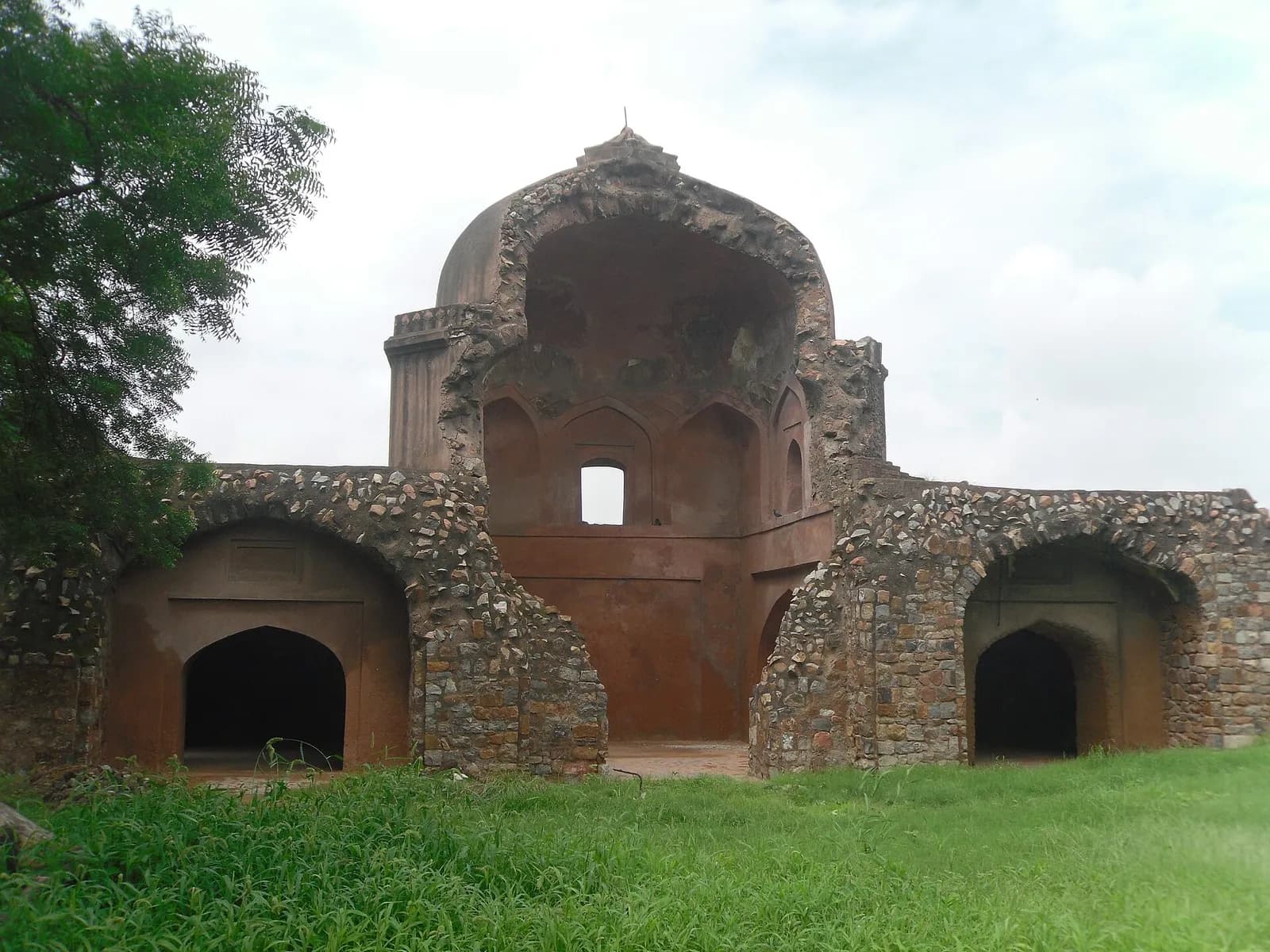
Architecturally, Salimgarh is a stark and powerful military fort, quite distinct from the ornamented palaces of the neighbouring Red Fort and its form reflects its defensive origins. Built of massive local quartzite rubble stone, it was designed for strength rather than beauty and its key features are worth noting:
- The triangular plan. The fort has a stark, unornamented triangular layout, an unusual geometric form dictated by its original island site, with the deep triangular tips reaching out at its corners.
- The circular bastions. Thick, heavy circular bastions anchor the walls, designed to mount and withstand heavy artillery, a mark of its serious military purpose.
- The connecting bridge. A historic three-arched stone bridge links Salimgarh to the main Red Fort originally built over a fast-flowing channel of the Yamuna, where boats once crossed, though the water below has long since given way to modern city roads.
- The Bahadur Shah Gate. The grand northern gateway onto the bridge, richly finished in red sandstone, was renovated and renamed in honour of the last Mughal emperor, Bahadur Shah Zafar.
- The ancient baoli. The complex encloses a pre-Mughal stepwell or baoli, that survived the demolitions of the 17th century and once supplied drinking water to the fort's barracks.
The overall impression is of a serious, austere stronghold, its triangular silhouette and heavy bastions speaking to its origins as an island fortress, softened only by the red sandstone of the Bahadur Shah Gate and the later British prison barracks within. The ancient baoli is a reminder of the site's depth of history, predating even the Suri fort, while the bridge tells the story of the vanished Yamuna channel. Knowing what to look for, the triangular plan, the bastions, the bridge, the gate and the baoli, turns a walk through the fort into an appreciation of its long military and architectural history.
The freedom struggle museum
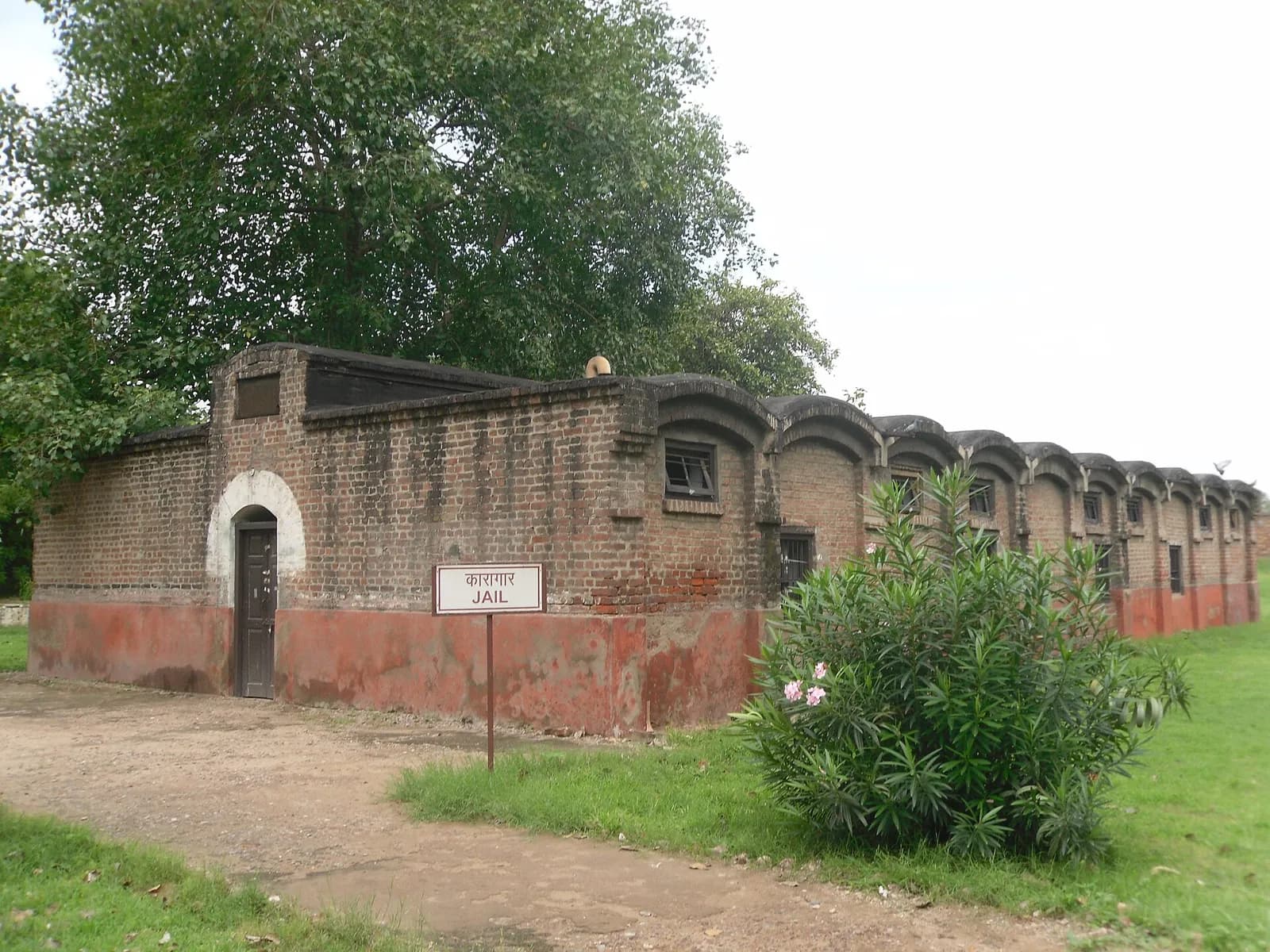
The fort today houses a museum dedicated to India's freedom fighters, which gives the historic site a fitting modern purpose and is a highlight of any visit. In 1995 the Archaeological Survey of India restored the grounds and dedicated the site as the Swatantrata Senani Smarak, a memorial to the freedom fighters, honouring above all the INA soldiers held here. The museum is housed in the original British-era prison barracks and its exhibits bring the fort's freedom-struggle history vividly to life:
- The barracks museum. Three of the original red-brick British military prison barracks have been converted into a modern museum of the freedom struggle.
- The INA relics. The displays include the actual heavy iron chains and fetters used on the prisoners, along with uniforms, photographs and personal belongings of the INA soldiers held here.
- The archaeological gallery. A further gallery displays 16th-century coins and weapons excavated on the site, connecting the fort's freedom-struggle role back to its Suri-era origins.
The museum is genuinely moving, especially the sight of the iron chains and fetters that once bound the INA prisoners, which make the history tangible in a way few exhibits can. Set within the very barracks where the prisoners were held, it gives the visit a powerful sense of place and authenticity and the archaeological gallery adds a reminder of the fort's much older past. For most visitors, the museum is the main reason to cross into Salimgarh and it rewards an unhurried look, turning the quiet fort into one of the most meaningful freedom-struggle sites in the city.
What to expect at Salimgarh Fort
A visit to Salimgarh is quiet, atmospheric and a striking contrast to the bustle of the main Red Fort and knowing what to expect helps you make the most of it. While the main Red Fort teems with thousands of visitors, very few cross the northern arched bridge into Salimgarh, so the fort is remarkably peaceful, even deserted, a tranquil sanctuary of old ramparts, mature trees and birdsong within the busy complex. The experience is one of exploring the quiet fort, walking its walls and bastions, taking in the bridge and the Bahadur Shah Gate and visiting the freedom-struggle museum in the old barracks, all while absorbing the fort's layered history. The visit takes about forty five minutes to an hour and it is a welcome, reflective escape from the crowds next door.
A few practical points are worth bearing in mind. Reaching the deep triangular tips of the fort from the Red Fort's main Lahori Gate involves a fairly long walking loop of around 1.5 kilometres, so comfortable shoes and a personal water bottle are wise, as vendor kiosks inside are very limited. Handheld smartphone photography is allowed around the ramparts and inside the museum barracks, but tripods, drones and commercial equipment are prohibited and photography near the perimeter facing the adjacent railway line is monitored by security, so keep to the open areas. The fort's quiet, almost forgotten atmosphere, combined with its weight of history as a prison and a freedom-struggle site, gives it a distinctive, slightly melancholy character that many find deeply appealing. Come as part of a Red Fort visit, allow time to cross the bridge and Salimgarh offers one of the most peaceful and meaningful experiences in old Delhi.
Salimgarh Fort timings and entry
Salimgarh Fort is open daily from 9:30 AM to 4:30 PM and following recent conservation orders it is accessible to the public on all weekdays, reached by crossing the arched bridge from within the main Red Fort complex. Entry to Salimgarh is completely included in the standard Red Fort entry ticket, so you do not need to buy any separate token to cross the bridge: the Red Fort ticket costs around 35 to 40 rupees for Indian citizens and around 500 to 600 rupees for foreign tourists, with the exact fares best reconfirmed as they can change. A visit to Salimgarh takes about forty five minutes to an hour on top of your Red Fort visit. Handheld smartphone photography is permitted around the ramparts and in the museum, but tripods, drones and commercial recording gear are prohibited and photography near the perimeter facing the railway line is monitored. Reaching the far tips of the fort involves a walking loop of around 1.5 kilometres from the Lahori Gate, so wear comfortable shoes and carry water. These timings and fees are current at the time of writing and can vary, so reconfirm before a special trip.
Visiting tips and what to carry
Because Salimgarh is reached through the large Red Fort complex and has few facilities of its own, a little preparation helps:
- Buy the Red Fort ticket. Entry to Salimgarh is included, so no separate token is needed to cross the bridge.
- Wear comfortable shoes. Reaching the fort's far tips involves a walking loop of around 1.5 kilometres inside the complex.
- Carry water. Vendor kiosks inside are very limited, so bring your own bottle, especially in warm weather.
- Mind the photography rules. Handheld phone photos are fine, but tripods, drones and commercial gear are banned and the railway-facing perimeter is monitored.
- Allow extra time. Add about 45 minutes to an hour to your Red Fort visit to cross into Salimgarh.
- Visit the museum. Do not miss the freedom-struggle museum in the old barracks, the highlight of the fort.
The key point is that Salimgarh is easy to add to a Red Fort visit but is often missed, so the main thing is simply to make time to cross the bridge, with comfortable shoes and water for the walk. Done so, it rewards you with a quiet, atmospheric and deeply historic counterpoint to the crowded palaces of the main fort.
Best time to visit Salimgarh Fort
The best time to visit is the cooler months, from October to March and within the day the morning, both for comfortable weather on the long walk through the complex and to enjoy the Red Fort and Salimgarh before the day warms and the main fort fills. A winter morning is ideal, with pleasant temperatures for the 1.5 kilometre loop and soft light on the old ramparts. The summer is hot and the walk tiring and the monsoon can make the grounds humid, so the winter months are much the most comfortable. Because Salimgarh is visited as part of a Red Fort trip, note that the Red Fort is closed on Mondays, so plan accordingly and arrive reasonably early to have time for both. Allow about an hour for Salimgarh on top of the main fort. Our guide to the best time to visit Delhi sets out the seasons across the city in more detail.
How to reach Salimgarh Fort (nearest metro)
Salimgarh Fort lies inside the north-eastern part of the Red Fort complex on Netaji Subhash Marg in Old Delhi and it is reached through the main Red Fort, so getting there means getting to the Red Fort. The best metro options are Lal Qila station on the Violet Line, which is the closest and Chandni Chowk station on the Yellow Line, both a short walk or auto ride from the Red Fort's ticketing plaza. Once inside the Red Fort, you reach Salimgarh by crossing the historic northern arched bridge, a walk of some distance from the main Lahori Gate through the complex. Autos, cabs and the metro all serve the Red Fort area well and it is one of the most accessible historic sites in the city. Set in the heart of old Delhi, it pairs naturally with a Delhi day tour or a heritage-focused New Delhi tour that takes in the Red Fort and the old city.
Places to visit near Salimgarh Fort
Salimgarh Fort sits within the Red Fort complex in the heart of old Delhi, so it is surrounded by many of the city's greatest monuments. The mighty Red Fort itself is, of course, immediately alongside and the two are seen together on one ticket, while the old city around them holds the great markets and lanes of Chandni Chowk. A short distance away stand the old fort of Purana Qila and the historic citadel of Feroz Shah Kotla with its Ashoka pillar.
The ceremonial heart of New Delhi, with India Gate and the great circle of Connaught Place, is a manageable ride away and the capital's other landmarks round out a full picture of the city: the serene Humayun's Tomb, the towering Qutub Minar and the modern marvels of the Lotus Temple and Akshardham. For more layered history, the ancient stepwell of Agrasen ki Baoli, the astronomical Jantar Mantar and the historic Hauz Khas Fort complete the sweep of Delhi's past.
Salimgarh Fort in your Delhi itinerary
For most visitors, Salimgarh Fort works best as a quiet, rewarding addition to a Red Fort visit rather than a separate trip, since it is entered through the main complex on the same ticket and takes under an hour. The natural approach is to see the grand palaces of the Red Fort and then cross the northern bridge into Salimgarh for a complete contrast, from ceremonial Mughal splendour to a stark, still fortress steeped in the history of imprisonment and the freedom struggle. It is a stop for travellers with a genuine interest in history, especially the Suri era, the Mughal prisons and above all the INA and the Red Fort Trials and it rewards those willing to walk a little further than the crowds, who rarely venture across the bridge.
If Delhi is your gateway to the wider Golden Triangle, Salimgarh Fort offers a uniquely layered perspective on the city's past, from the Afghan interregnum through the Mughals to the climax of the freedom struggle, all in one quiet fort beside the famous Red Fort. Many of my history-minded guests find the contrast between the crowded main fort and the deserted calm of Salimgarh striking and the INA museum, with its iron chains and relics, genuinely moving and it adds a deeper, more reflective note to a Red Fort visit and to a Delhi exploration before the journey on to Agra and Jaipur.
Travel tips for visiting Salimgarh Fort
A few pointers make the visit smoother and more rewarding:
- Come as part of a Red Fort visit, as entry is on the same ticket and through the same complex.
- Cross the northern bridge, which few visitors do, to reach the quiet fort.
- Visit the freedom-struggle museum in the old barracks, the highlight, with its INA chains and relics.
- Wear comfortable shoes and carry water, as reaching the fort involves a 1.5 kilometre loop with few kiosks.
- Come in the cooler months and the morning and remember the Red Fort is closed on Mondays.
- Mind the photography rules, with no tripods or drones and the railway-facing perimeter monitored.
- Allow about an hour for Salimgarh on top of your Red Fort visit.
- Reach it via Lal Qila or Chandni Chowk metro, then the Red Fort ticketing plaza.
If you would like a local guide to bring the full history of Salimgarh and the Red Fort to life, message our team on WhatsApp at +91 7302265809 with your travel dates and group size and we will shape the day for you.
Is Salimgarh Fort worth visiting?
For history lovers and those wanting to escape the Red Fort crowds, yes, it is a genuinely rewarding and moving stop. There are few places in Delhi with so remarkable a span of history in one quiet fort, from a Suri island stronghold built against Humayun, through a Mughal state prison that held an emperor's brother and a princess poet, to the jail of the INA soldiers during the historic Red Fort Trials, now a freedom-struggle museum. It is entered on the Red Fort ticket, so it costs nothing extra and it offers a tranquil, atmospheric contrast to the crowded palaces next door. The honest note is that it is a stark, austere fort rather than an ornate palace, reached by a fair walk and its appeal rests on an interest in history rather than on grand architecture or facilities. But for the curious, history-minded traveller willing to cross the bridge, it is one of the most peaceful and meaningful corners of the whole Red Fort complex and I always encourage my guests to make the time for it.
Plan your trip with us
At Experience My India, through our Delhi and Golden Triangle travel desk, we design unhurried, well paced trips that make room for quiet, history-rich corners like Salimgarh Fort, not just the headline sights, so you see the deeper story of the Red Fort rather than only its crowded palaces. Whether you want a relaxed set of Delhi Agra tours or a full Golden Triangle route through Delhi, Agra and Jaipur, we plan around your pace, your interests and the right season, with local guides who know the stories behind the stones. Share your dates and the kind of trip you have in mind through our enquiry page, tell us your group size and we will put together an honest, tailored plan rather than a rushed checklist.
Related guides
- Places to visit in Delhi, for the wider picture
- Hidden places to visit in Delhi, the city's quieter corners
- Nearby places to visit in Delhi, to extend your trip
Enquire Now
What our travellers say
“Our Golden Triangle honeymoon was flawless. Sunrise at the Taj with a private guide felt like a dream — every detail was handled.”
“As a first-time visitor to India, I felt completely safe and looked after. The driver and guide were superb professionals.”
“Travelling with two kids is hard, but they made it effortless. Great pacing, clean cars and zero surprises on price.”
“Booked the Agra day trip on short notice and it went off without a hitch. The guide's history knowledge made the Taj come alive.”
“Best decision of our India trip. Car was spotless, driver was punctual every single day, and the itinerary never felt rushed.”
“Organised a same-day Agra trip for my parents. Communication before and during the trip was excellent — genuinely stress-free.”
“Sunrise at the Taj Mahal was magical. Our guide spoke great English and answered every question with patience.”
“Three generations travelling together and everyone was comfortable — good vehicle, sensible stops, and no hidden costs.”
“I've used a few tour operators across Asia and this was among the smoothest. Fair pricing and they actually answer the phone.”
“Our custom Rajasthan-Agra combo was planned around our budget without cutting corners on comfort. Highly recommend.”
“Solo female traveller here — I felt safe throughout. The driver was respectful and the whole trip was timed perfectly.”
Ready to Explore
The Heart of Delhi?
Explore the Red Fort, Qutub Minar, Humayun's Tomb, and the vibrant streets of Old Delhi with our expert-guided premium tours of India's capital city.

Delhi
Premium Tour Package
Questions
Frequently asked questions
What are the timings of Salimgarh Fort?
It is open daily from 9:30 AM to 4:30 PM, reached by crossing the bridge inside the Red Fort complex. A visit takes about 45 minutes to an hour. Note the Red Fort is closed on Mondays. Reconfirm before a special trip.
What is the entry fee for Salimgarh Fort?
How is Salimgarh Fort connected to the Red Fort?
Why is Salimgarh Fort famous?
What is inside Salimgarh Fort now?
Who was imprisoned at Salimgarh Fort?
Which is the nearest metro station to Salimgarh Fort?
Is Salimgarh Fort worth visiting?
Explore more
Plan your Salimgarh Fort trip with us

Interested in Salimgarh Fort Delhi: History, Timings and Visitor Guide?
Chat with our travel team for a custom quote, or browse every package.
Related Attractions
9Salimgarh Fort Delhi on the map
Open in Google MapsReady to explore Salimgarh Fort Delhi: History, Timings and Visitor Guide?
Book your private tour today and experience the magic of India's rich heritage.