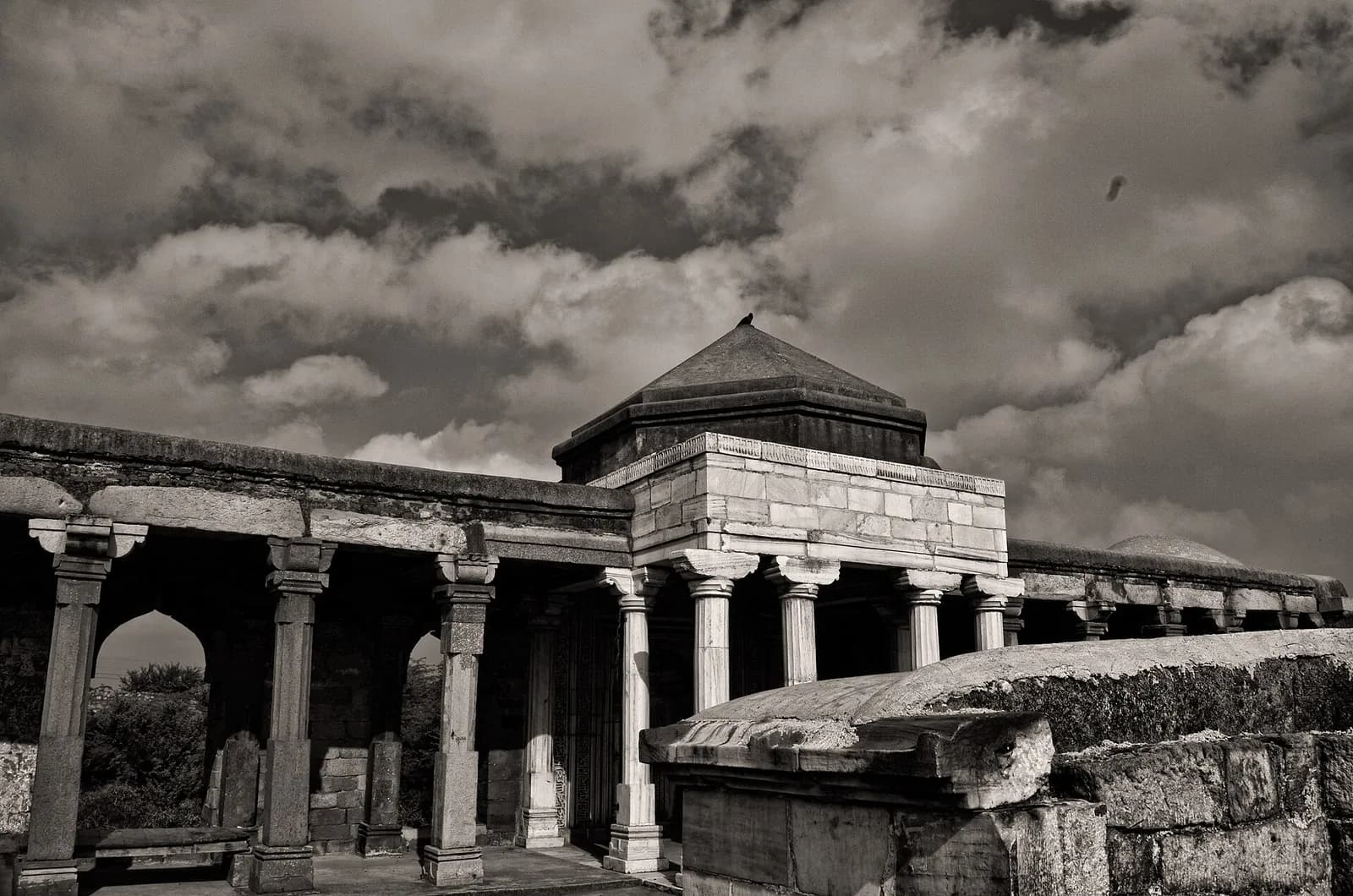
Sultan Ghari Tomb Delhi: India's Oldest Islamic Mausoleum
Visiting Sultan Ghari in Vasant Kunj, India's oldest Islamic tomb? Its fortress design, underground crypt, Baba Sultangarhi shrine, timings and how to reach.
In a Nutshell
“Sultan Ghari, in Vasant Kunj in South West Delhi, is India's oldest surviving monumental Islamic tomb, built in the early 13th century by Sultan Iltutmish for his son Prince Nasiruddin Mahmud. Unlike any later tomb, it looks like a small fortress with corner bastions and its grave lies in a sunken octagonal crypt, giving it the name Sultan of the Cave. It reused carved stone from an earlier temple on the site and today it is a living interfaith shrine known as Baba Sultangarhi. It features on our offbeat Delhi heritage tours, run by a unit of Experience My India.”
Sultan Ghari is one of the most extraordinary and least-visited monuments in all of Delhi, a place that rewards the curious traveller with a glimpse of the very earliest Islamic architecture in India, wrapped in layers of history, tragedy and living devotion. For anyone drawn to offbeat heritage, to the deep history of the Delhi Sultanate or to the composite culture of the capital, it is a remarkable find. Our team at Delhi Agra Tour Packages loves to include it for guests who want more than the famous sights and it adds a rare, scholarly depth to a wider Golden Triangle tour through the city.
I am Abhay Sharma, Delhi born and a Golden Triangle guide since 2015 and Sultan Ghari is one of my favourite hidden corners of the city, because nowhere else can you stand in India's first great Islamic mausoleum, descend into its cave crypt, trace the reused carvings of an older temple in its stones and witness Hindus and Muslims worshipping together, all in one quiet forest clearing. This guide gathers everything I would tell a visitor beforehand, checking against current information, including its history, its unique architecture, its living shrine culture and the timings and directions.
Details
Sultan Ghari at a glance
| Detail | Information |
|---|---|
| Official name | Tomb of Prince Nasiruddin Mahmud (Sultan Ghari) |
| Built | Early 13th century, by Sultan Iltutmish |
| Significance | India's oldest surviving monumental Islamic tomb |
| Location | Near Malakpur Kohi, Vasant Kunj, South West Delhi |
| Managed by | Archaeological Survey of India (ASI) |
| Also revered as | Baba Sultangarhi, a living interfaith shrine |
| Nearest metro | Chhatarpur (Yellow Line) or Vasant Kunj stations |
| Time needed | About 1 hour |
Sultan Ghari timings
| Detail | Information |
|---|---|
| Open | Every day |
| Hours | About 7:00 AM to 5:00 PM |
| Busiest | Thursdays and the annual Urs |
Sultan Ghari is open every day, generally from around 7:00 AM to 5:00 PM. Thursdays are the busiest, when hundreds of devotees gather at the shrine and the annual Urs festival draws very large crowds. These timings are current at the time of writing and can vary, so reconfirm before a special trip.
Entry fee
| Visitor | Fee |
|---|---|
| Indian citizens | A nominal fee (around ₹5) at the time of writing |
| Foreign tourists | A higher fee (around ₹100) at the time of writing |
As an ASI-protected monument, Sultan Ghari charges a small entry fee, nominally around ₹5 for Indian citizens and ₹100 for foreign tourists at the time of writing. Fees are revised periodically, so reconfirm the current rate.
How to reach Sultan Ghari
| From | Route |
|---|---|
| Chhatarpur metro (Yellow Line) | Nearest metro node, then an auto or cab to Vasant Kunj |
| Vasant Kunj | Short drive to Malakpur Kohi on the Mehrauli-Mahipalpur Road |
| Qutub Minar complex | About 8 km east |
| From the main road | A short walk down an unpaved path into the forest clearing |
What is Sultan Ghari?
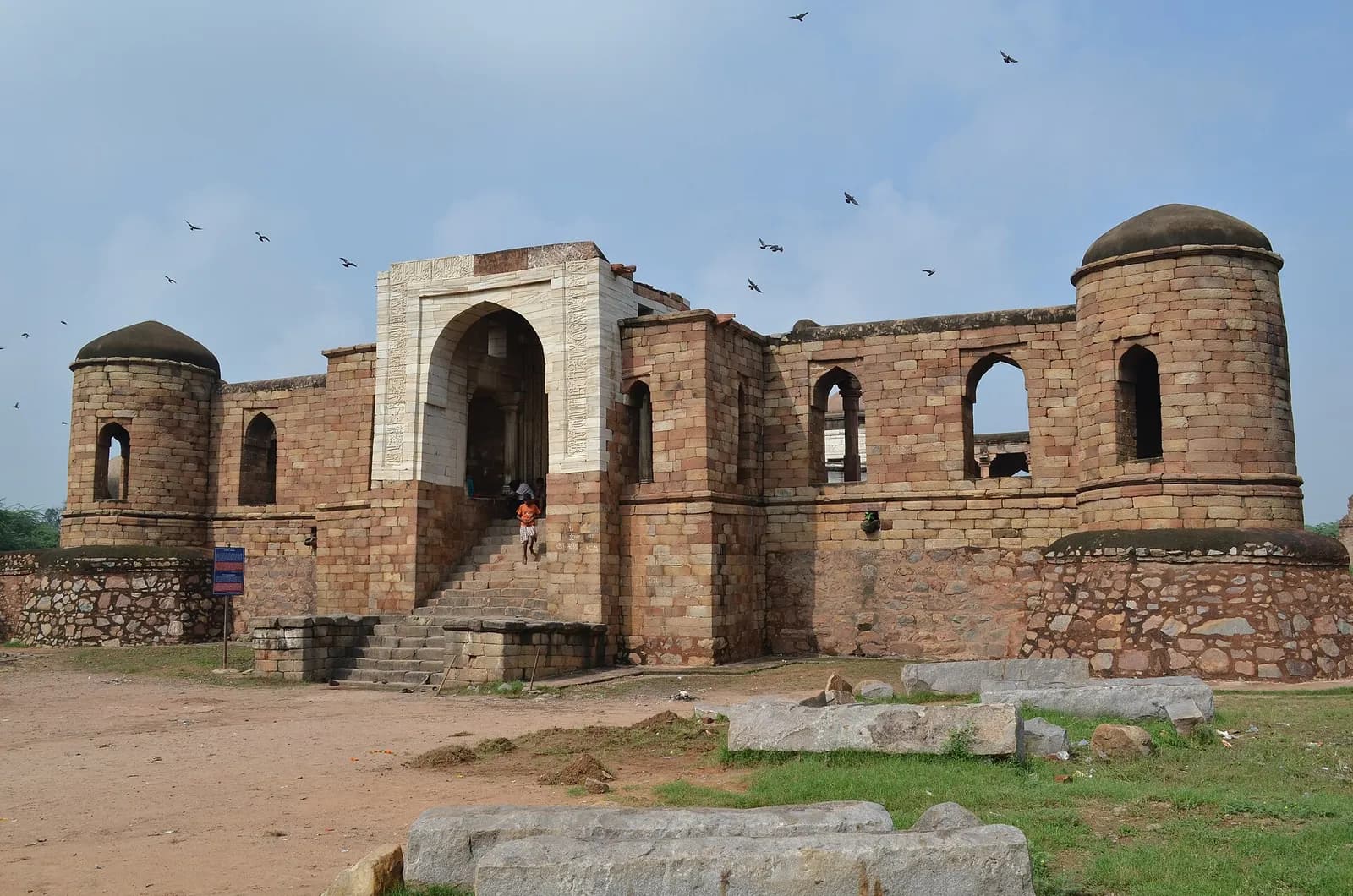
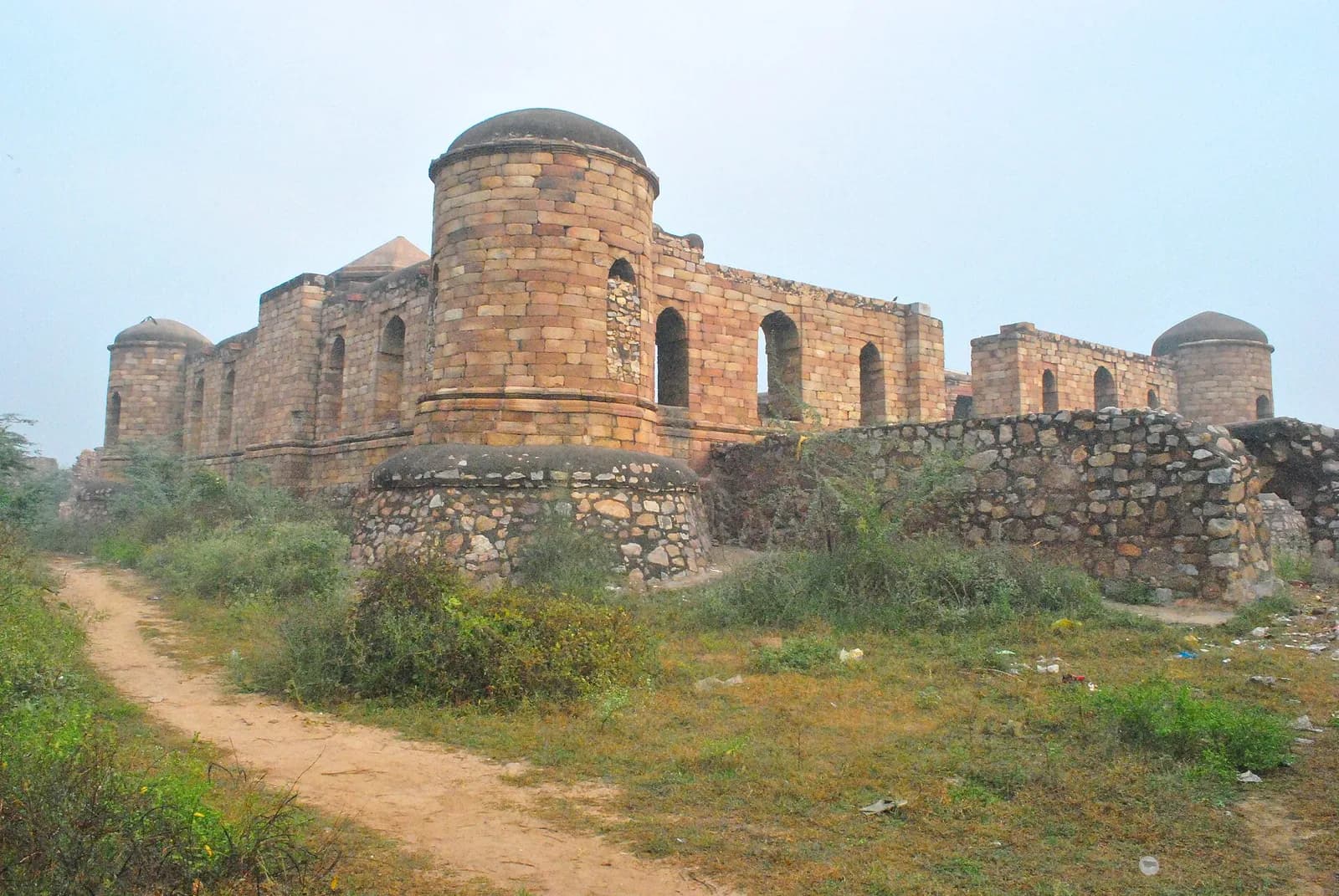
Sultan Ghari is the tomb of Prince Nasiruddin Mahmud, built in the early 13th century and it holds an exceptional place in the history of Indian architecture as the first and oldest surviving monumental Islamic mausoleum in the country. Located near Malakpur Kohi village in the Nangal Dewat forest tract of Vasant Kunj in South West Delhi, roughly 8 kilometres west of the Qutub Minar, it is a monument quite unlike any other in India. Its design breaks completely from the familiar template of the domed Islamic tomb: from the outside it resembles a rugged little medieval fortress, with thick walls and massive circular corner bastions, while the grave itself lies hidden in a sunken octagonal crypt below a central courtyard, which gives the monument its evocative popular name, Sultan Ghari, the Sultan of the Cave. Legally protected and managed by the Archaeological Survey of India, it is at once a landmark of architectural history and, remarkably, a living shrine, revered by local Hindus and Muslims alike as Baba Sultangarhi. For the visitor, it is one of the capital's great hidden treasures.
Several things make it extraordinary and they are worth drawing out:
- India's oldest Islamic tomb. The first and oldest surviving monumental Islamic mausoleum in the country, from the early 13th century.
- A fortress, not a tomb. It looks like a small medieval castle, with corner bastions and thick walls, rather than a domed mausoleum.
- The cave crypt. The grave lies in a sunken octagonal underground chamber, giving the monument its name, Sultan of the Cave.
- Reused temple stone. Its builders repurposed carved columns and stones from an earlier temple on the site, visible to this day.
- A living interfaith shrine. Still actively worshipped by both Hindus and Muslims as Baba Sultangarhi, especially on Thursdays.
It is one of the most rewarding of the hidden places to visit in Delhi and a genuine highlight among the city's offbeat things to do in Delhi.
History of Sultan Ghari
The history of Sultan Ghari is bound up with the earliest days of the Delhi Sultanate and with a personal tragedy in the imperial family and knowing it gives the monument its full weight. It belongs to the Mamluk or Slave Dynasty, the first Muslim dynasty to rule from Delhi and specifically to the reign of its great consolidator, Sultan Iltutmish:
- The builder and the date. The tomb was constructed in 1231 by Sultan Shamsuddin Iltutmish, the third and most powerful ruler of the Mamluk Dynasty, who did so much to establish the Sultanate.
- The crown prince. It was built to honour Iltutmish's eldest and favourite son, Prince Nasiruddin Mahmud, the designated heir to the throne, who served with distinction as governor of Awadh and Bengal.
- The tragedy. The prince died in 1229 during a military campaign in Lakhnauti in Bengal. Devastated, Iltutmish brought his son's remains back to the capital and commissioned this great complex in his memory.
- The turn of succession. The prince's death altered the line of succession and ultimately helped pave the way for Iltutmish's remarkable daughter, Razia Sultan, to ascend the throne of Delhi.
This history makes Sultan Ghari far more than an architectural curiosity: it is a monument to grief, raised by a powerful sultan for a beloved son and heir whose early death changed the course of Delhi's history. The connection to Razia Sultan, one of the very few women ever to rule from Delhi, adds a further layer of significance, for it was in part the vacancy left by Prince Nasiruddin Mahmud's death that opened her path to the throne. For the visitor, knowing that this fortress-tomb was built in 1229 to 1231, within a generation of the founding of the Sultanate and decades before most of Delhi's other great monuments, underlines just how early and how important it is.
Why is it called Sultan Ghari?
The monument's popular name, Sultan Ghari, is itself a clue to its most unusual feature and visitors often ask about it. The name translates from local dialect as the Sultan of the Cave or the King of the Crypt and it refers directly to the subterranean layout in which the prince's grave is placed. Unlike the familiar Islamic tombs of later centuries, where the sarcophagus sits in a chamber at ground level beneath a dome, here the grave lies in a sunken, cave-like crypt reached by descending a steep flight of stairs below the courtyard floor. This buried, cavern setting of the royal grave is so striking that it gave the whole monument its enduring popular name, used in place of the formal title, the Tomb of Prince Nasiruddin Mahmud. For the visitor, the name is a perfect summary of what makes Sultan Ghari unique, a royal tomb set not under a soaring dome but deep in a stone cave and descending into that crypt is the central experience of a visit.
Architecture of Sultan Ghari
Architecturally, Sultan Ghari is a milestone of the first importance, representing the earliest attempts by central Asian masons to build an Islamic funerary monument on Indian soil, at a moment when the techniques were entirely new to local craftsmen. The result is a fascinating hybrid and its features repay close attention:
- The fortress exterior. From the outside the monument bears no resemblance to a standard domed tomb. Built on a high square plinth of golden-orange Delhi quartzite rubble, it is reinforced by thick perimeter walls and four massive circular corner bastions, so that it looks like a small, rugged medieval fortress designed to project power and security.
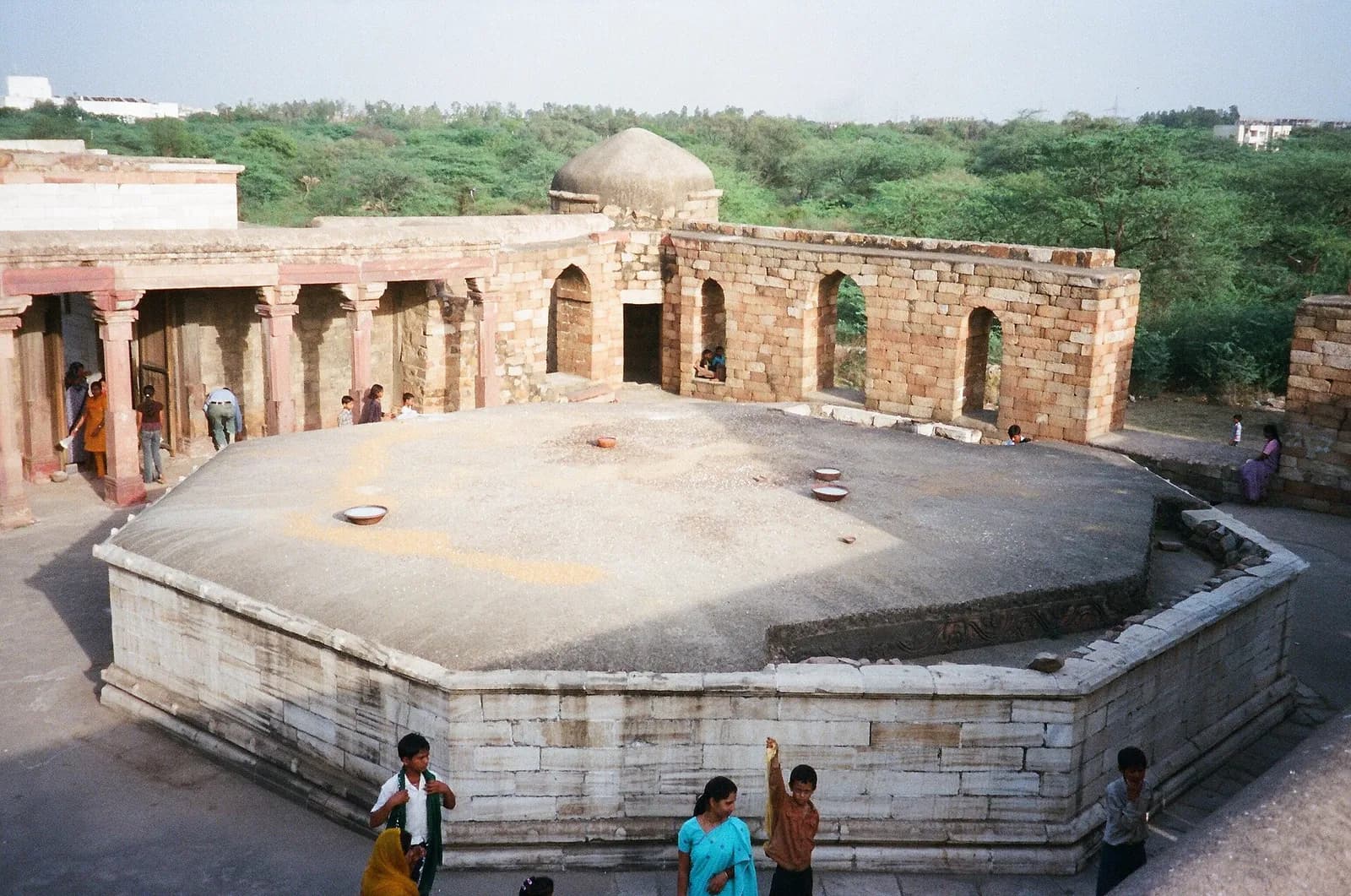
- The underground octagonal crypt. Entering through the eastern portal, visitors reach a large open courtyard, at the centre of which a low octagonal stone platform rises from the floor. A narrow, steep stair plunges beneath it into a dark, sunken crypt, whose structurally remarkable octagonal roof shelters three graves, the prince and two unidentified family members.
- The reused temple stone. Because Islamic building methods were new to local artisans in the early 13th century, the builders extensively reused stone from an earlier temple that had stood on the site, dating from the Gurjara-Pratihara era. Clustered temple columns support the crypt ceiling, carved stone lintels are embedded in the roofing and older carved elements survive in the fabric, their original ornament altered to suit the new structure.
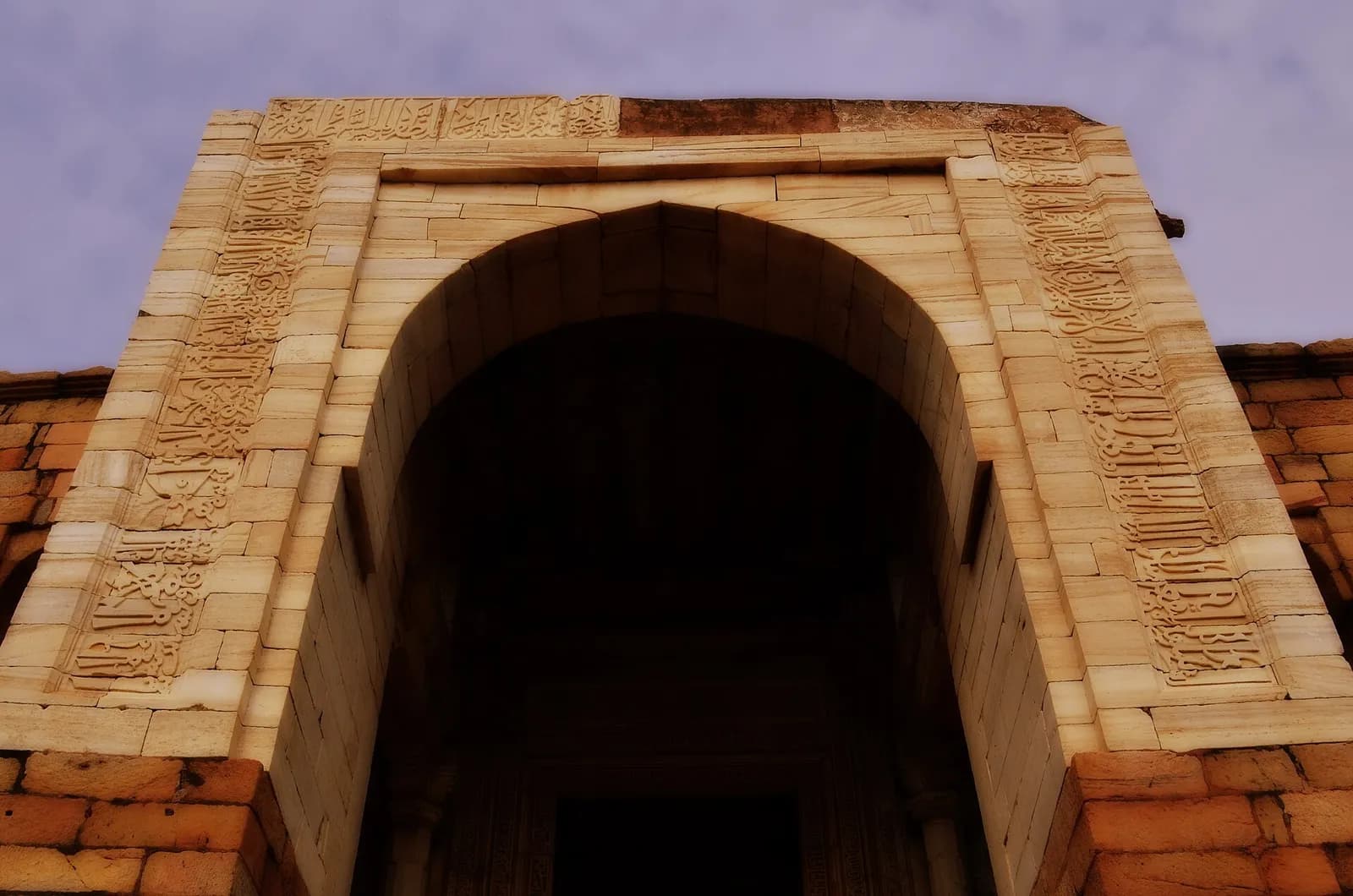
- The marble prayer chamber. The western wall of the courtyard holds a small, beautiful prayer chamber faced in brilliant white marble, with a central prayer niche or mihrab, carrying finely carved geometric bands and marble panels inscribed with Quranic verses in an early calligraphic style.
- The later Tughlaq repairs. The monument was substantially restored in the 14th century under Sultan Firoz Shah Tughlaq, who repaired collapsed roofing and added fluted pillars and marble facing to the prayer wings.
This combination makes Sultan Ghari a living textbook of early Indo-Islamic architecture: the martial fortress form, the subterranean crypt, the pragmatic reuse of earlier temple stone and the exquisite early marble mihrab together show a brand-new architectural tradition taking its first steps on Indian soil. The reuse of older carved stone, a common practice in this earliest period, is one of the most studied features of the monument and is clearly visible in the crypt and prayer chamber. For the visitor, Sultan Ghari offers the rare chance to read, in one small building, the very beginnings of a style that would later produce the great domed tombs of the Mughals.
Sultan Ghari as a living shrine: Baba Sultangarhi
One of the most surprising and moving things about Sultan Ghari is that, unlike the many abandoned ruins scattered across the Mehrauli and south Delhi landscape, it is a deeply active shrine, woven into the living devotional life of the surrounding villages and this is central to understanding the place today. Local people revere the entombed prince not as a historical royal but as a powerful spiritual saint, affectionately called Baba Sultangarhi:
- A saint of the villages. Villagers from the neighbouring areas of Mahipalpur, Rangpuri and beyond venerate the buried prince as Baba Sultangarhi, a source of blessings rather than a figure of dynastic history.
- The Thursday gatherings. Every Thursday the quiet forest clearing fills with hundreds of devotees, both Hindu and Muslim, who descend together into the underground crypt to light oil lamps, offer incense, spread floral sheets and tie sacred threads around the columns, seeking blessings for home and family.
- Blessings for newlyweds. It is a long-standing local tradition for newly married couples from the nearby rural blocks to visit the subterranean cave to seek blessings for their marriage.
- The annual Urs. The site hosts a major annual Urs festival, drawing large crowds of Sufi followers for overnight devotional music, one of the high points of the shrine's year.
This living culture makes Sultan Ghari one of the finest examples in Delhi of a composite, shared tradition, where a 13th-century royal Islamic tomb has become, over the centuries, a saint's shrine honoured by Hindus and Muslims together. For the visitor, especially on a Thursday, the sight of devotees of different faiths descending into the ancient crypt side by side to light lamps and tie threads is a powerful and genuinely touching experience and it gives the monument a warmth and immediacy that few ruins possess. It is worth visiting with respect for this active worship, which is as much a part of Sultan Ghari as its stones.
What to expect at Sultan Ghari
A visit to Sultan Ghari is atmospheric and a little adventurous, quite different from a polished, well-trodden monument and knowing what to expect helps you enjoy it. The tomb sits in a forest clearing reached by a short walk down an unpaved path from the main road, so it feels genuinely off the beaten track, surrounded by the Nangal Dewat forest rather than the city. Approaching, you see the rugged, fortress-like exterior with its corner bastions and entering through the eastern gate you reach the open courtyard with the octagonal crypt at its centre. The heart of the visit is descending the steep, narrow stair into the dark underground crypt to see the graves, so a torch or phone light is useful and care is needed on the steps. Around the courtyard you can trace the reused temple columns and admire the white marble prayer chamber and its mihrab. The whole visit takes about an hour.
A few practical points help. Because this is both an ASI monument and an active shrine, visitors should dress modestly and behave respectfully, especially if devotees are present; Thursdays and festival days are crowded with worshippers, which is wonderful to witness but means less quiet for photography. The forest setting means it is best visited in daylight and in the cooler months and sensible shoes help on the dirt path and crypt stairs. The site is a little hard to find, tucked off the Mehrauli-Mahipalpur road, so allow time and ask locally if needed. For the visitor, the key is to come with a sense of discovery and respect: Sultan Ghari is not a manicured tourist site but a raw, ancient and living monument and that is exactly what makes it so rewarding.
Visiting tips
A few pointers make a visit to Sultan Ghari smoother and more rewarding:
- Bring a light. A torch or phone light helps in the dark underground crypt and watch your step on the steep stairs.
- Consider a Thursday. Thursdays bring the living shrine to life with Hindu and Muslim devotees together, though the site is quieter on other days.
- Dress and behave respectfully. This is an active shrine as well as a monument; modest dress and quiet conduct are appropriate.
- Wear sensible shoes for the unpaved forest path and the crypt steps.
- Visit in daylight and in the cooler months for comfort and safety in the forest setting.
- Allow time to find it. The tomb is tucked off the Mehrauli-Mahipalpur road down a dirt path, so it takes a little searching.
- Carry water and basic supplies, as there is little by way of facilities at the clearing.
- Combine it with Vasant Kunj or the Qutub area, as Sultan Ghari alone is a short visit.
The key point is to treat Sultan Ghari as an adventure into Delhi's deepest history, coming prepared for a raw forest-set monument and an active shrine and to give yourself time to absorb its unique architecture and atmosphere.
Best time to visit Sultan Ghari
The best time to visit is during the cooler months, from October to March, when the walk through the forest clearing is comfortable and during daylight hours when the crypt and courtyard are safe to explore. A winter morning is ideal, cool and clear for the walk in and the descent into the crypt. For those interested in the living shrine, a Thursday is the most atmospheric day, when devotees gather, while the annual Urs festival is the most crowded and vibrant time of all but less suited to quiet sightseeing. The summer months are hot and the forest setting offers little shade at midday and the monsoon can make the dirt path muddy, so the winter window is clearly best. Our guide to the best time to visit Delhi sets out the seasons across the city in more detail.
How to reach Sultan Ghari (nearest metro)
Sultan Ghari sits a little apart from the city in the Nangal Dewat forest tract near Malakpur Kohi village, on the Mehrauli-Mahipalpur road in Vasant Kunj, South West Delhi, so reaching it takes a little more effort than a central monument, which is part of its appeal. The nearest metro options are Chhatarpur station on the Yellow Line or the stations around Vasant Kunj, from which an auto-rickshaw or cab brings you to the site. From the main road, reaching the fort-tomb itself requires a short walk down an unpaved path into the forest clearing. The monument lies roughly 8 kilometres west of the Qutub Minar, so it pairs naturally with a visit to the Qutub area. Given its offbeat location, a car or cab for the final stretch is the most practical approach, rather than relying on the metro alone. Set in the quiet south-west of the city, it fits well into a Delhi day tour or a heritage-focused New Delhi tour built around the monuments of south Delhi.
Places to visit near Sultan Ghari
Sultan Ghari lies in the south-west of Delhi, within reach of some of the city's greatest historic sites, so it makes an excellent addition to a south Delhi heritage outing. The nearest great landmark is the world-famous Qutub Minar complex, about 8 kilometres east, with its soaring victory tower, the ancient Iron Pillar and the Alai Darwaza and close to it the ancient Yogmaya Temple and the ruins of the Mehrauli Archaeological Park, including the Jamali Kamali mosque and the many tombs and stepwells of that remarkable zone. A little further lie the historic Hauz Khas Fort and its lake and the medieval stepwell of Agrasen ki Baoli.
Further out, the capital's other great landmarks round out a full picture of the city: the serene Humayun's Tomb, the mighty Red Fort, the ceremonial India Gate and the modern marvels of the Lotus Temple and Akshardham. For more of Delhi's history, the old citadel of Purana Qila, the astronomical Jantar Mantar and the ruins of Feroz Shah Kotla are well worth adding and our roundup of the important monuments of Delhi ties them together.
Sultan Ghari in your Delhi itinerary
For most visitors, Sultan Ghari works best as part of a wider south Delhi heritage outing rather than a destination on its own, since it is a fairly short visit in an out-of-the-way location. A natural plan is to combine it with the Qutub Minar and the monuments of Mehrauli, which lie about 8 kilometres east, making a rich half-day or day that moves from the earliest Islamic tomb in India through the great monuments of the early Sultanate. The tomb itself needs about an hour, but its significance as the oldest Islamic mausoleum in the country and its living shrine culture, give it an importance well beyond its size and it adds a note of discovery and depth to a day of sightseeing. It suits the history enthusiast, the architecture lover and the traveller curious about Delhi's composite culture.
If Delhi is your gateway to the wider Golden Triangle, Sultan Ghari offers something genuinely rare, a chance to see where Indo-Islamic architecture began and to witness a shared Hindu-Muslim devotional tradition still alive after eight centuries. Many of my guests who make the effort to reach it count it among the most memorable and thought-provoking stops of their trip, precisely because so few visitors ever see it and it deepens their understanding of the city's long history before they travel on to Agra and Jaipur.
Travel tips for visiting Sultan Ghari
A few pointers make a visit even better:
- Reach it by cab for the final stretch, from Chhatarpur metro or Vasant Kunj, then walk the short forest path.
- Pair it with the Qutub and Mehrauli monuments, about 8 km east, for a full south Delhi day.
- Carry a light for the underground crypt and take care on the steep stairs.
- Visit on a Thursday to see the living Baba Sultangarhi shrine at its most vibrant or another day for quiet.
- Dress modestly and behave respectfully, as this is an active place of worship.
- Wear sturdy shoes for the dirt path and crypt steps and visit in daylight.
- Go in the cooler months for comfort in the forest setting.
- Carry water, as facilities at the clearing are minimal.
If you would like a local guide to take you to Sultan Ghari and explain its remarkable history and architecture, message our team on WhatsApp at +91 7302265809 with your travel dates and group size and we will shape the day for you.
Is Sultan Ghari worth visiting?
Yes, for the history-minded and adventurous traveller Sultan Ghari is absolutely worth the effort, one of the most rewarding hidden monuments in all of Delhi. There is nowhere else in India where you can stand in the country's oldest surviving monumental Islamic tomb, a fortress-like structure from 1231, descend into its unique underground cave crypt, trace the reused carvings of an older temple in its very stones, admire an exquisite early marble mihrab and witness Hindus and Muslims worshipping together at a living shrine, all in one quiet forest clearing. It is a monument of the first importance for anyone interested in the beginnings of Indo-Islamic architecture and the early Delhi Sultanate. The caveats are real but manageable: it is out of the way, reached by an unpaved path, a short visit on its own and best combined with the Qutub area; and as an active shrine it deserves respectful conduct. For the traveller who wants to see the real, deep, lived history of Delhi beyond the famous sights, Sultan Ghari is a treasure and I recommend it warmly to guests with the curiosity to seek it out.
Plan your trip with us
At Experience My India, through our Delhi and Golden Triangle travel desk, we design unhurried, well paced trips that make room for remarkable hidden places like Sultan Ghari and not just the famous monuments, with guides who can explain the history and architecture that make such sites extraordinary and help you reach the ones that are hard to find. Whether you want a relaxed set of Delhi Agra tours or a full Golden Triangle route through Delhi, Agra and Jaipur, we plan around your pace, your interests and the right season. Share your dates and the kind of trip you have in mind through our enquiry page, tell us your group size and we will put together an honest, tailored plan rather than a rushed checklist.
Related guides
- Places to visit in Delhi, for the wider picture
- Nearby places to visit in Delhi, to extend your trip
Enquire Now
Ready to Explore
The Heart of Delhi?
Explore the Red Fort, Qutub Minar, Humayun's Tomb, and the vibrant streets of Old Delhi with our expert-guided premium tours of India's capital city.

Delhi
Premium Tour Package
Questions
Frequently asked questions
What is Sultan Ghari famous for?
It is India's oldest surviving monumental Islamic tomb, built in 1231 for Prince Nasiruddin Mahmud. It is famous for its fortress-like design, its underground cave crypt, its reuse of earlier temple stone and its living interfaith shrine, Baba Sultangarhi.
Who built Sultan Ghari and for whom?
Why is it called Sultan Ghari?
What are the timings of Sultan Ghari?
Is there an entry fee?
Which is the nearest metro station?
What is Baba Sultangarhi?
How old is Sultan Ghari compared with other Delhi monuments?
Is Sultan Ghari safe and easy to find?
How much time do I need and what should I bring?
Explore more
Plan your Sultan Ghari trip with us

Interested in Sultan Ghari Tomb Delhi: India's Oldest Islamic Mausoleum?
Chat with our travel team for a custom quote, or browse every package.
Related Attractions
9Ready to explore Sultan Ghari Tomb Delhi: India's Oldest Islamic Mausoleum?
Book your private tour today and experience the magic of India's rich heritage.