 Near Trimurti Circle, JLN Marg, Adarsh Nagar, Jaipur 302004, Jaipur
Doll Museum Jaipur: A Guide to Gudiyaghar and Its Dolls
The Doll Museum in Jaipur shows Indian and international dolls on JLN Marg near Albert Hall. See timings, ticket prices, what to see and visitor tips here.
Quick answer
The Doll Museum in Jaipur, known as Gudiyaghar, is a small cultural museum on JLN Marg near Trimurti Circle, showing Indian and international dolls in regional, bridal and dance costumes. It opens 9 AM to 4 PM and is closed on Tuesdays. This guide is written by Abhay Sharma, a Jaipur guide and a unit of Experience My India.
- #doll-museum
- #jaipur
- #jaipur-attractions
- #jaipur-travel
Namaste, I am Abhay Sharma, and I have guided travellers around Jaipur since 2015. The Doll Museum is one of those gentle, charming little stops that I keep in my back pocket for families with children and for anyone who loves folk craft. It is not a grand palace, it is a modest, warm-hearted collection of dolls from across India and the world, and it tends to delight visitors who arrive with no expectations. When I plan trips at Delhi Agra Tour Packages, I slot this in as a short, cheerful break between the heavier monuments, especially for guests travelling with kids. Many are on our Golden Triangle tour, and a half hour among these dolls is a lovely change of pace.
What makes this place special is not scale but spirit. The dolls are dressed in the regional costumes, bridal finery and classical dance attire of India's many cultures, so in one small room you travel from Rajasthan to Bengal to Tamil Nadu, and then on to Japan, England and beyond. It sits on a school campus for deaf and mute students, and the nominal ticket money supports that school, which gives a visit a quiet goodness beyond the sightseeing. In this guide I will cover the timings, the ticket prices, what you will see, how to reach it, and the honest practical notes you need, exactly as I brief my own travellers.
Doll Museum at a Glance
| Detail | Information |
|---|---|
| Also known as | Gudiyaghar |
| Location | Near Trimurti Circle, JLN Marg, Adarsh Nagar, Jaipur 302004 |
| Established | 1974 |
| Run by | Shrimati Bhagwanibai Gauridutt Sekhsaria Charitable Trust |
| Timings | 9 AM to 4 PM, closed Tuesdays |
| Indian entry | 10 to 20 rupees, nominal |
| Foreign entry | 50 to 100 rupees, nominal |
| Visit duration | 30 to 60 minutes |
Doll Museum Timings and Entry Fee
The museum opens 9 AM to 4 PM and is closed on Tuesdays. Entry is kept deliberately nominal, and the small ticket money goes to the attached school, so always confirm the current charge and access at the gate before you go.
| Visitor category | Entry fee | Notes |
|---|---|---|
| Indian visitors | 10 to 20 rupees | Nominal, supports the school |
| Foreign nationals | 50 to 100 rupees | Nominal, confirm at counter |
| Visit duration | 30 to 60 minutes | A short stop, not a half day |
How to Reach the Doll Museum
| From | Distance or route | Best option |
|---|---|---|
| Albert Hall Museum | Short hop on JLN Marg | Auto-rickshaw or cab |
| Central Jaipur | Via JLN Marg, Trimurti Circle | Auto, cab or city bus |
| Birla Mandir | Nearby on the same stretch | Walk, auto or cab |
The Doll Museum sits on JLN Marg in Adarsh Nagar, near Trimurti Circle and the Police Memorial, on the campus of a school for deaf and mute students. It lies on the museum-and-temple stretch between the Albert Hall Museum and the Birla Mandir, which is exactly why I pair it with those two. Because it is a small, campus-based museum rather than a major monument, it is best treated as a short, pleasant stop rather than a destination you build a day around.
What the Doll Museum Is Famous For
The Doll Museum is famous for its wide, warm-hearted collection of dolls that together tell the story of India's cultural diversity and the wider world's folk traditions. Where a palace shows you the grandeur of kings, this little museum shows you the everyday beauty of costume, craft and custom, dressed onto hundreds of carefully made figures. For visitors, especially children, it is an easy and joyful way to grasp how many different peoples, dresses and dances make up India.
Its other quiet claim to fame is its purpose. The museum was created and is run as a charitable venture, with its nominal ticket income supporting a school for deaf and mute children on whose campus it stands. That gives it a gentle significance that the bigger attractions lack, and it is one reason I am always happy to send kind-hearted travellers here. It is a small place doing a good thing, and it rewards visitors who come with curiosity rather than grand expectations.
History of the Doll Museum
The museum was established in 1974 by the Shrimati Bhagwanibai Gauridutt Sekhsaria Charitable Trust, as part of its charitable work supporting a school for children with hearing and speech difficulties. From the start the idea was twofold, to build a joyful cultural collection that ordinary families could enjoy at a nominal cost, and to channel that goodwill toward the school it adjoins. Over the decades the collection grew into the varied assembly of Indian and international dolls you see today.
The museum was given a renovation in the mid-2010s, which refreshed the displays and the building, so the experience today is tidier and more presentable than the older, dustier version some long-time Jaipur residents may remember. It remains, however, a modest institution run on charitable lines rather than a slick, commercial attraction, and that unpolished sincerity is part of its character. Understanding this background helps visitors arrive with the right expectations, a small, warm, meaningful collection rather than a blockbuster museum.
Indian Regional and Cultural Dolls
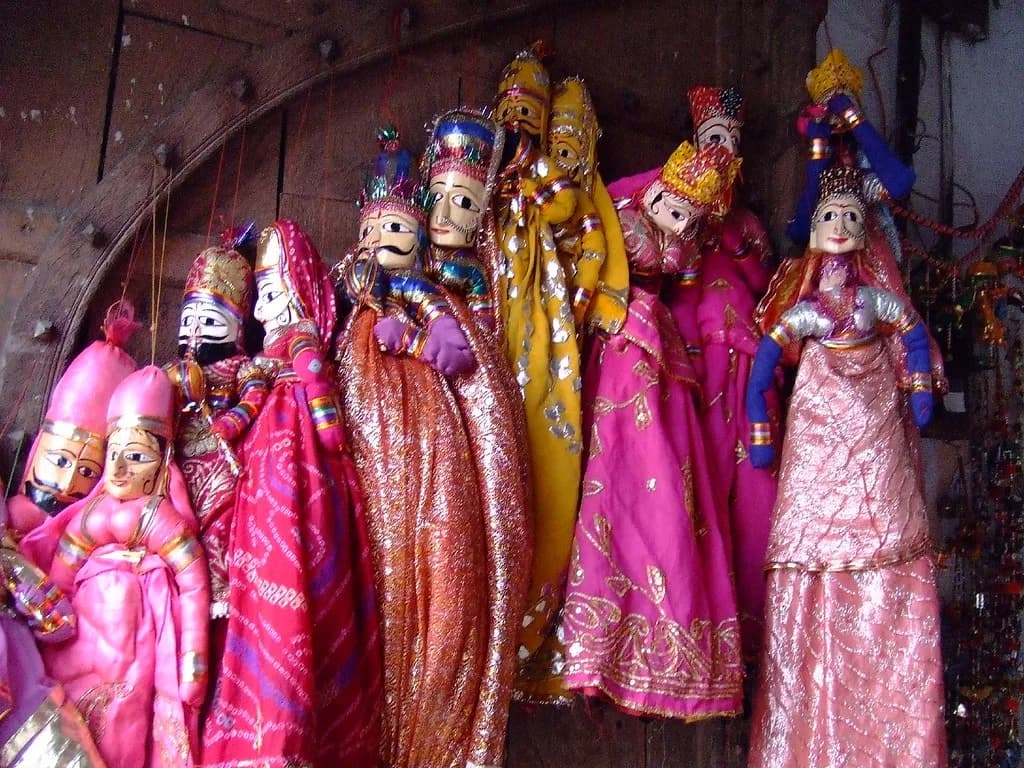
The heart of the collection is its Indian dolls, which represent the costumes and cultures of states across the country. You will find figures dressed in the traditional attire of Rajasthan, Bengal, Gujarat, Punjab, Maharashtra, Tamil Nadu and many more, each one a small lesson in how differently India dresses from region to region. For a traveller who has only seen Rajasthan, this is a quick, delightful window into the wider subcontinent.
Alongside the regional costumes are dolls in traditional bridal finery, showing how wedding dress changes across India's communities, and a particularly charming set depicting the classical dance forms of the country. Here you can see figures posed and costumed as Bharatanatyam, Kathakali, Odissi and Kuchipudi dancers, each with the distinctive dress, makeup and gesture of its tradition. For anyone interested in India's performing arts, these dance dolls are a highlight, and they connect naturally to the living culture you can experience at Jaipur's festivals, which my guide to the city's cultural festivals explores in more depth.
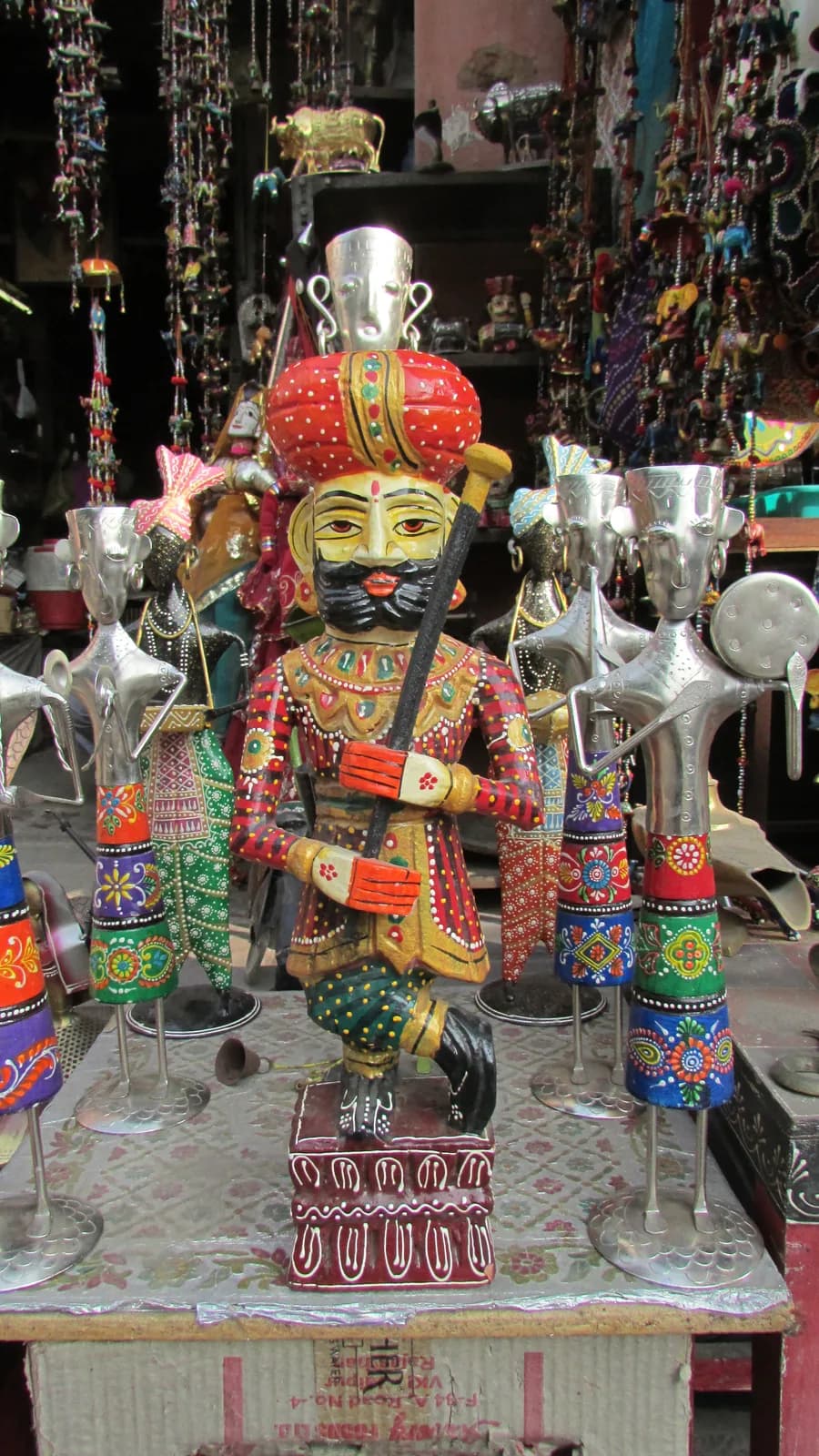
The craftsmanship on these Indian dolls is worth slowing down for. The miniature textiles, the tiny jewellery and the carefully worked costumes reflect the same handcraft traditions that make Rajasthan famous, scaled down to doll size. In that sense the museum quietly celebrates the artisans of India as much as the dolls themselves.
International Dolls and Puppet Collections
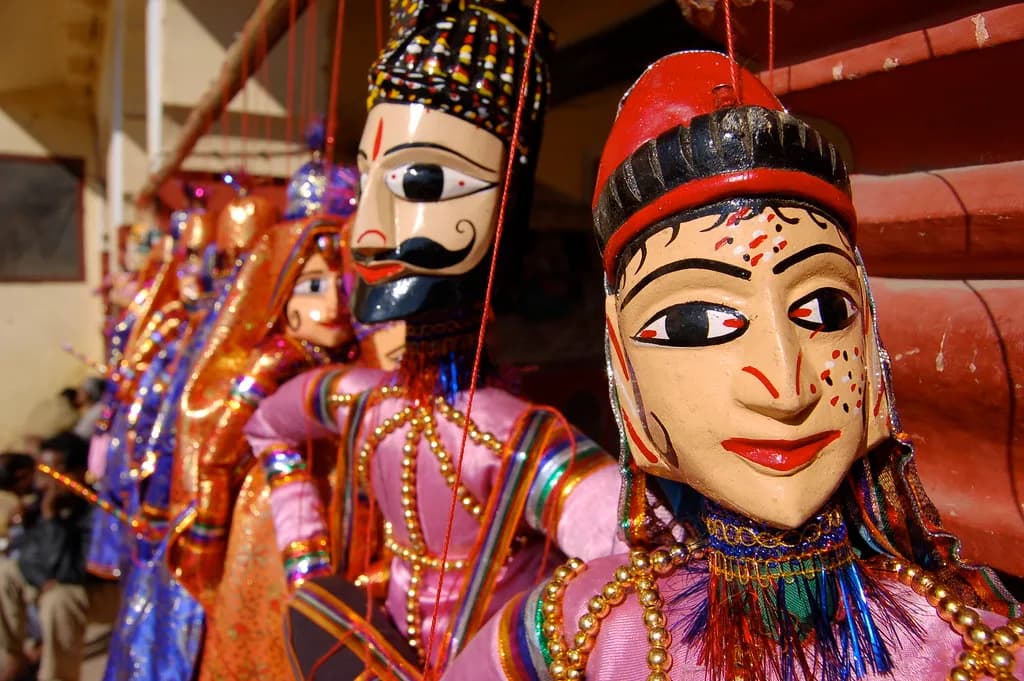
Beyond the Indian galleries, the museum opens onto the world. Its international collection gathers dolls and puppets from dozens of countries across Asia, Europe, Africa and the Americas, so a visit becomes a small trip around the globe. Among the pieces people remember are Japanese wooden and paper dolls, delicate and distinctive, miniature English puppets, and handcrafted wooden toys from various traditions.
This international spread is what lifts the museum above a purely local collection. Children in particular enjoy spotting dolls from countries they recognise, and the contrast between, say, a Japanese paper doll and a Rajasthani bride in miniature makes the cultural variety vivid in a way that no textbook can. The puppets add another dimension, hinting at the storytelling and performance traditions that dolls and puppets have carried in cultures everywhere. It is a reminder that the impulse to make and dress small figures is a universal human one.
The Craft Behind the Dolls
It is easy to walk through a doll museum quickly, but the dolls here reward a closer look, because each one is a small feat of handcraft. The regional figures are not mass-produced toys; they are dressed in miniature versions of real traditional costumes, with tiny woven textiles, scaled-down jewellery and carefully painted features. To dress a Rajasthani bride or a Kathakali dancer convincingly, the maker has to understand the real costume in detail, the layering, the colours, the ornaments, and then reproduce it at a fraction of the size. That is a craft in its own right, and it links the museum to the wider world of Indian handwork.
This is part of why the museum sits so naturally in Jaipur. The city is one of India's great centres of handcraft, from block printing and blue pottery to gem setting and miniature painting, and the dressing of these dolls draws on the same patient, detail-loving tradition. When you look at the tiny mirrorwork on a Gujarati doll's skirt or the precise pleating of a Bengali sari in miniature, you are seeing the same skills that make Rajasthan's full-size crafts famous, simply scaled down. For visitors who have enjoyed the bazaars and workshops of the city, the dolls offer a charming miniature echo of all that artistry.
The international pieces add their own craft stories. A Japanese paper doll is made with techniques quite unlike an Indian cloth doll, and the contrast teaches something about how different cultures approach the same simple idea of a small dressed figure. Children may not articulate this, but they feel it, the sense that people everywhere, in every country, have loved making and dressing dolls. In that quiet way the museum is as much about human creativity as it is about costume.
A Museum With a Purpose
What gives the Doll Museum a character all its own is the cause it serves. The museum stands on the campus of a school for deaf and mute children, and it was created and is run by a charitable trust whose work supports that school. The nominal ticket you buy is not going to a commercial operator; it is a small contribution to the education of children who need extra support. For many visitors, learning this adds a layer of meaning to what might otherwise be a simple, pleasant stop.
I mention this to my guests not to tug at heartstrings but because it genuinely shapes the experience. The museum does not feel slick or commercial, and once you understand why, that modesty becomes part of its charm rather than a shortcoming. It is a place made with care and run for a good reason, and spending a little time and a little money here is a quiet, easy way for a traveller to give something back to the city they are enjoying. On a trip full of grand monuments built by kings, there is something refreshing about a small museum built for children, and that contrast is exactly what makes it stay in a traveler's memory long after the forts and palaces have begun to blur together.
This purpose also sets the right tone for a visit. Because it is a working school campus, visitors are asked to be considerate, to keep noise down and to respect that this is an active educational space as well as a tourist stop. Arriving in that spirit, calm, curious and kind, is the best way to enjoy it, and it is how I always ask my own travellers to approach the place.
Modern and Pop Culture Figures
For younger visitors, the museum adds a playful modern touch alongside its traditional pieces. Displays featuring cartoon characters and superhero figurines sit among the folk dolls, which keeps children engaged and gives the collection a lighthearted, contemporary edge. It is a small but clever choice, because it means the museum speaks to a child who arrives knowing nothing of Odissi or Kuchipudi but everything about their favourite cartoon.
This mix of the traditional and the modern is part of what makes the museum a genuine family outing rather than a purely educational one. Parents can point out the regional costumes and dance dolls while children hunt for the pop-culture figures they recognise, and everyone leaves having enjoyed it on their own terms. It is this gentle inclusiveness, old and new, Indian and international, that gives the little museum its charm.
Doll Museum Timings and Opening Hours
The museum is open from 9 AM to 4 PM and is closed on Tuesdays, so plan your visit for any other day of the week. Because it sits on an active school campus and is run on charitable lines, the hours and access can occasionally vary with school activities, so it is genuinely worth a quick phone call to confirm before you set out, particularly if you are making a special trip across town.
Morning hours tend to be the quietest and most pleasant, and since the whole visit takes only 30 to 60 minutes, an early slot leaves the rest of your day free for the bigger sights nearby. I usually schedule it as the first or last stop on a JLN Marg morning, so it slots neatly around the Albert Hall Museum without disturbing the main sightseeing plan.
Doll Museum Ticket Price and Entry Fee
Entry is deliberately nominal, in keeping with the museum's charitable purpose. Indian visitors typically pay 10 to 20 rupees and foreign nationals 50 to 100 rupees, with the proceeds supporting the attached school for deaf and mute children. Because these are small, charity-set charges rather than fixed commercial prices, they can change, so treat these figures as a guide and confirm the exact fee at the counter.
The low cost is part of the appeal. For the price of almost nothing you get a genuine cultural experience and the quiet satisfaction of knowing your ticket helps a good cause. It is one of the best-value small outings in the city, and an easy yes for families watching their budget across a longer Jaipur trip.
How to Reach the Doll Museum and Nearest Landmarks
Reaching the museum is straightforward. It stands on JLN Marg near Trimurti Circle and the Police Memorial, and is easily reached by auto-rickshaw, cab or city bus from central Jaipur. Drivers and auto-rickshaw operators know the JLN Marg landmarks well, and naming the Trimurti Circle or the Police Memorial will get you to the right stretch, after which the museum is a short step away on the school campus.
Its location is its greatest practical advantage, because it sits squarely between two major attractions. The grand Albert Hall Museum is a short hop down the same road, and the white-marble Birla Mandir is close by, so the Doll Museum fits perfectly into a single JLN Marg outing. I almost never send a visitor here on its own, it is always part of a little cluster with those neighbours, which makes the short visit well worth the small detour.
Best Time to Visit the Doll Museum
The best time to visit is the cooler season from October to March, when getting around Jaipur is comfortable and pairing the museum with nearby outdoor sights is a pleasure rather than a chore. Within the day, the morning hours are ideal, both for a quieter experience inside and because they leave the rest of your day open for the forts and palaces.
Avoid Tuesdays, when the museum is closed, and try not to leave it as a rushed last stop late in the afternoon, since it shuts at 4 PM. A relaxed mid-morning visit, folded into a JLN Marg plan, is the sweet spot. If you are timing a wider Jaipur trip, my guide to the best time to visit Jaipur covers the seasons in detail, and where to base yourself is covered in my notes on where to stay in Jaipur.
Doll Museum Visitor Tips and Facilities
A few practical notes make a visit smooth. The museum offers a wheelchair-accessible entrance, parking and restrooms, along with a free parking area on site, which makes it comfortable for families and older visitors. There is no restaurant inside, so plan to eat before or after, and my guide to the best places to eat in Jaipur covers the options in this central part of the city, with the local dishes to try set out in my famous Jaipur foods guide.
The most important tip is to call ahead. Because the museum sits on a working school campus and is a small, charitably run institution, access and timings can vary with school activities, so a quick confirmation before you travel saves a wasted trip. Set your expectations correctly too, this is a modest, intimate collection compared with the grand palaces or the Albert Hall, best enjoyed as a short, cheerful 30 to 60 minute stop rather than a half-day museum.
For families, the museum is a genuine winner precisely because it is small and colourful. Children do not tire of it the way they might in a vast gallery, and the mix of regional dolls, international figures and pop-culture characters keeps them engaged from start to finish. It is, without exaggeration, one of the most reliably child-friendly stops in the whole city, and parents are often the ones most grateful for it.
Things to See Near the Doll Museum
The Doll Museum's location makes it easy to combine with Jaipur's major sights. The most natural pairing is the Albert Hall Museum, the magnificent museum in Ram Niwas Garden just down JLN Marg, which offers the grand, encyclopaedic counterpart to the Doll Museum's intimate charm. Close by stands the gleaming white-marble Birla Mandir, a serene temple that is especially beautiful in the evening, making an easy trip for a half-day in this part of the city.
From here the rest of Jaipur's headline sights are within easy reach. A short drive takes you to the walled city and the City Palace, and the iconic Hawa Mahal, the honeycomb Palace of Winds, is one of the first stops most visitors make. The royal shopping world of the Chandra Mahal and the handicraft lanes of Bapu Bazaar round out a rich central Jaipur day, with the hilltop Amber Fort saved for a half day of its own.
What to Know Before You Go
A short, honest briefing helps you enjoy the Doll Museum for what it is. First, scale: this is a compact, single-collection museum, not a sprawling institution, so set your expectations for a focused 30 to 60 minute visit rather than an afternoon of galleries. Visitors who arrive expecting something on the scale of the Albert Hall are the only ones who leave disappointed, and that disappointment is entirely about expectations rather than the museum itself.
Second, access: because the collection sits on an active school campus for children with hearing and speech difficulties, entry arrangements and timings can shift with school events, and a quick phone call before you travel is genuinely worthwhile. This is not a place that keeps rigid, commercial opening hours, and a little flexibility and courtesy on the visitor's part goes a long way.
Third, the experience itself: the lighting and displays are simple, the labelling is modest, and part of the pleasure is simply wandering and spotting the costumes and characters you recognise. Go slowly, point things out to the children, read the little labels together, and let it be the gentle, low-key stop it is meant to be. Treated this way, as a warm and unhurried pause rather than a headline attraction, the Doll Museum almost always leaves visitors smiling, and that is exactly the reaction I hope for when I send my guests there.
Who Should Visit the Doll Museum
Not every traveller needs this museum, and I am honest with my guests about that. If you have only a day in Jaipur and no children, your hours are better spent at the forts, palaces and the great Albert Hall. But for the right visitor, this little museum is a quiet delight that leaves a warm impression.
Families with children are the obvious audience, and they tend to love it. The small scale, the bright costumes and the mix of traditional and pop-culture figures hold a child's attention far better than a vast gallery, and the nominal ticket makes it an easy addition. Lovers of folk craft, textiles and classical dance will enjoy the regional costume and dance dolls, and anyone drawn to the human stories behind an attraction will appreciate the museum's charitable purpose. For travellers who like to find the gentle, offbeat corners of a city rather than only its headline monuments, it is exactly the kind of place that makes a trip feel personal, as my roundup of things to do in Jaipur and my list of the city's quieter hidden gems both reflect.
Where the Doll Museum Fits in Your Jaipur Trip
The Doll Museum is a short stop, so it does not need a slot of its own in your plan, it simply folds into a JLN Marg morning alongside the Albert Hall Museum and Birla Mandir. That cluster makes a relaxed half day, after which you can move on to the walled city and the palaces. On a tightly packed single day, my one-day Jaipur itinerary shows how to fit the headline sights together, with the Doll Museum added only if you are travelling with children who would enjoy it.
On a longer visit there is more room for gentle stops like this, and the full places to visit in Jaipur list helps you balance the grand monuments with quieter, offbeat corners. If you are building the days yourself, my Jaipur trip planner helps you sequence everything sensibly so a small stop like the Doll Museum enhances rather than interrupts your flow. For families especially, these little breaks are what keep children happy across an otherwise monument-heavy trip, and that is the museum's real value.
Reaching Jaipur for the Golden Triangle
Most visitors reach Jaipur as the third corner of the classic Golden Triangle, arriving from Delhi or Agra. If you are driving down from the capital, my guide to the Delhi to Jaipur distance sets out the route and timing, while travellers crossing from the Taj Mahal city will want the Agra to Jaipur distance. Either way, once you are in the city, the great sights and the small gems like this museum are all within easy reach of the central hotels.
Plan Your Jaipur Trip With Us
A memorable Jaipur trip mixes the grand monuments with the small, warm, offbeat stops that most visitors miss, and the Doll Museum is exactly that kind of gentle surprise, especially for families. At Experience My India we build Jaipur itineraries that balance the famous forts and palaces with the city's quieter cultural corners, arranging private cars, trusted guides and comfortable pacing so the days flow well for every age. If you would like a trip that weaves little gems like this into a wider Golden Triangle plan, explore our Delhi Agra tours or send a quick message on WhatsApp at +91 7302265809, and we will shape a journey around what you love.
Related Guides
Enquire Now
What our travellers say
“Our Golden Triangle honeymoon was flawless. Sunrise at the Taj with a private guide felt like a dream — every detail was handled.”
“As a first-time visitor to India, I felt completely safe and looked after. The driver and guide were superb professionals.”
“Travelling with two kids is hard, but they made it effortless. Great pacing, clean cars and zero surprises on price.”
“Booked the Agra day trip on short notice and it went off without a hitch. The guide's history knowledge made the Taj come alive.”
“Best decision of our India trip. Car was spotless, driver was punctual every single day, and the itinerary never felt rushed.”
“Organised a same-day Agra trip for my parents. Communication before and during the trip was excellent — genuinely stress-free.”
“Sunrise at the Taj Mahal was magical. Our guide spoke great English and answered every question with patience.”
“Three generations travelling together and everyone was comfortable — good vehicle, sensible stops, and no hidden costs.”
“I've used a few tour operators across Asia and this was among the smoothest. Fair pricing and they actually answer the phone.”
“Our custom Rajasthan-Agra combo was planned around our budget without cutting corners on comfort. Highly recommend.”
“Solo female traveller here — I felt safe throughout. The driver was respectful and the whole trip was timed perfectly.”
Ready to Explore
The Pink City?
Experience the Amber Fort, Hawa Mahal, City Palace, and the colorful bazaars of Jaipur with our expert-guided premium tours of Rajasthan's capital.

Jaipur
Premium Tour Package
Questions
Frequently asked questions
What is the Doll Museum in Jaipur?
The Doll Museum, known as Gudiyaghar, is a small cultural museum on JLN Marg near Trimurti Circle in Adarsh Nagar. Established in 1974 by the Sekhsaria Charitable Trust, it displays Indian and international dolls in regional, bridal and classical dance costumes, and sits on a school campus for deaf and mute children.
What are the Doll Museum Jaipur timings?
What is the Doll Museum Jaipur ticket price?
Where is the Doll Museum in Jaipur?
How do I reach the Doll Museum?
What can you see at the Doll Museum?
How long does a visit to the Doll Museum take?
Is the Doll Museum good for children?
Is the Doll Museum wheelchair accessible?
Is the Doll Museum worth visiting?
Explore more
Plan your Doll Museum trip with us

Interested in Doll Museum Jaipur: A Guide to Gudiyaghar and Its Dolls?
Chat with our travel team for a custom quote, or browse every package.
Related Attractions
9Doll Museum Jaipur on the map
Open in Google MapsReady to explore Doll Museum Jaipur: A Guide to Gudiyaghar and Its Dolls?
Book your private tour today and experience the magic of India's rich heritage.